
Homeownership is basically a second job nobody warned you about. Gutters, railings, paint, plumbing — the list never really ends.
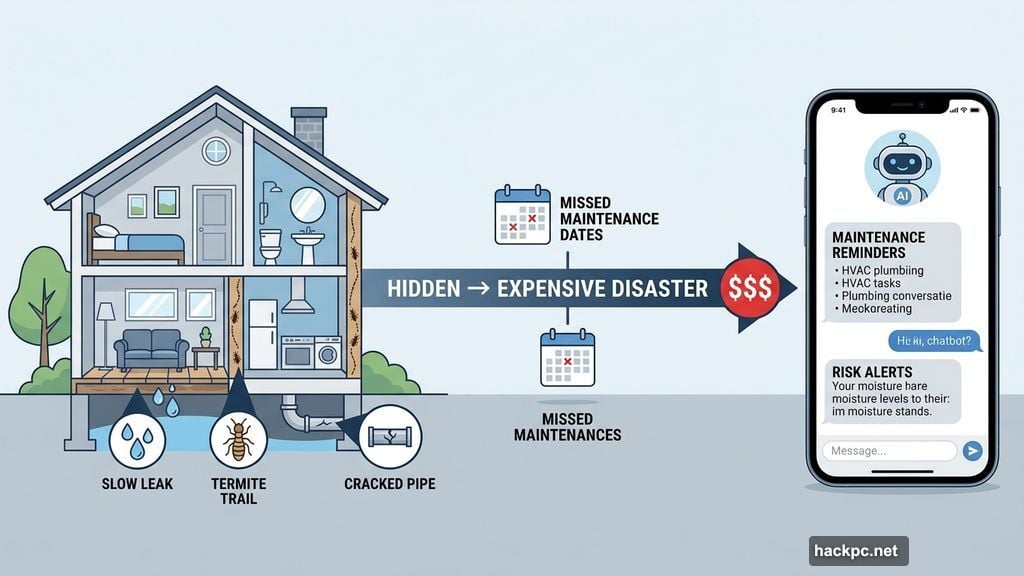
But the worst kind of home maintenance? The stuff you can’t see. A slow leak under the house. A termite colony working quietly through your walls. The problems that hide until they become expensive disasters. And honestly, staying ahead of all of it can feel impossible, especially when you’re already stretched thin.
So I started using AI chatbots to help me think through home upkeep. The results were surprisingly useful — not perfect, but genuinely helpful in ways I didn’t expect.
Your Insurance Policy Hides More Than You Think
Most homeowners pay their insurance bill and never look at the actual policy document again. That’s a mistake.
Insurance policies are dense, jargon-heavy documents that can run 30 pages or more. Finding the parts that actually matter to you takes time most people don’t have. But AI can cut through that quickly.
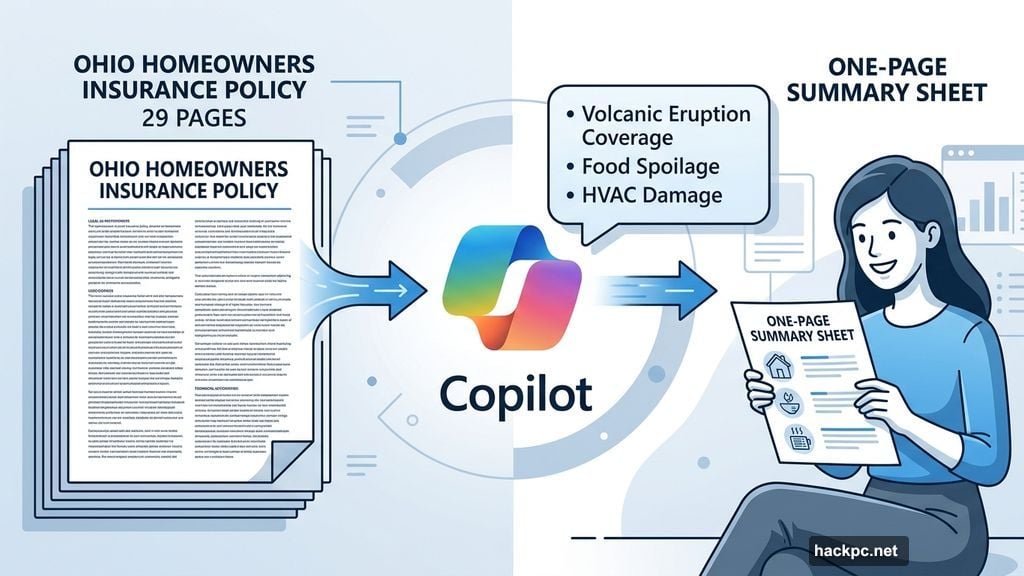
I uploaded a standard 29-page Ohio homeowners policy to Microsoft Copilot and asked it to summarize the coverage in plain language. The results were genuinely eye-opening. For instance, that particular policy covers volcanic eruption damage. In Ohio. I also discovered coverage for food spoilage during power outages and damage from failing HVAC systems — benefits that are easy to miss when you’re skimming fine print.
Plus, Copilot flagged potential assistance programs tied to home maintenance. That alone could save a homeowner real money.
One important note: always verify what the AI tells you against the actual document. Chatbots can misread or oversimplify policy language, so treat their summaries as a starting point, not gospel.
Gemini Spotted Problems I Hadn’t Considered
New homeowners especially tend to discover home horrors the hard way. You dreamed about that backyard pool, but nobody mentioned the chlorine tablets, the pump maintenance, or the flooded equipment that follows a wet winter.
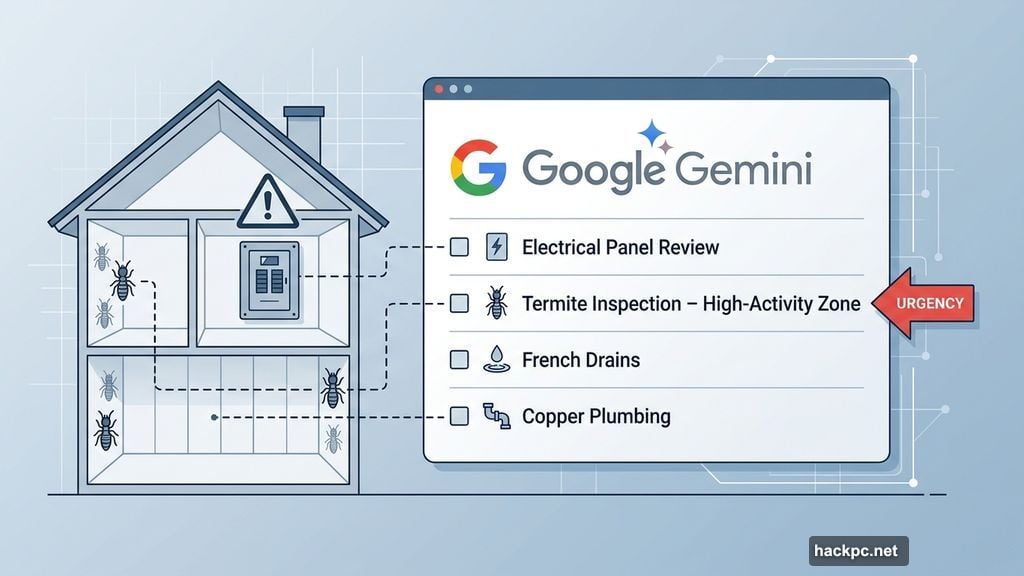
AI can help you think through potential risks before they become problems. I asked Google Gemini to assess common trouble areas for my type of home, and the accuracy was impressive.
It correctly flagged my plumbing as a concern — though in my case, copper pipes replaced the original system in the early 2000s, so that risk was already managed. It also suggested French drains, which we’d actually just installed the previous winter right before two weeks of heavy rain. Good timing on that one.
But two items hit differently. Gemini flagged my electrical panel for review, which I’d been putting off. And it raised termite inspections as a priority, noting my area as a high-activity zone. That one genuinely made me uncomfortable, because we’ve never had a termite inspection done. Seeing “high-activity zone” in print made the urgency feel real in a way a general reminder never would.
Claude Helped Me Identify a Backyard Pest
Sometimes a hole in your yard is just a hole. Other times it signals something actively destroying your lawn from underneath. Waiting to find out is almost always the more expensive choice.
I spotted what I assumed was a gopher in my garden and decided to ask Claude for help. I shared some screenshots from a nighttime video I’d taken, and Claude correctly identified the animal as a vole, not a gopher. That distinction matters because voles and gophers respond to different control methods.
Claude then generated a range of options for deterring the creatures before they could damage my flowering plants and poppies. The suggestions included castor oil — which Claude seemed optimistic about, bless its digital heart. From personal experience, underground mesh is the only thing that actually keeps voles and gophers at bay long-term. But having a starting point for research saved me time I would have spent going down internet rabbit holes.
What AI Gets Right (and Where It Falls Short)
AI home maintenance advice works best as a thinking partner, not a final authority. These tools can help you spot risks, decode confusing documents, and identify where to focus your attention. That’s genuinely valuable, especially for newer homeowners who don’t yet know what they don’t know.
But chatbots can also be wrong. Gemini’s assessment of my plumbing was technically accurate in terms of the risk, even though the problem had already been solved. Claude’s pest deterrent suggestions ranged from useful to wishful thinking. And insurance policy summaries always need a second look against the source document.
The smart approach is to use AI as a first pass. Let it surface the issues worth investigating. Then bring in a professional for anything that actually needs expertise.
Home maintenance is one of those areas where a little proactive attention saves a lot of reactive stress. AI won’t replace your plumber or your pest control specialist, but it can help you ask better questions before those calls get expensive.




Comments (0)