
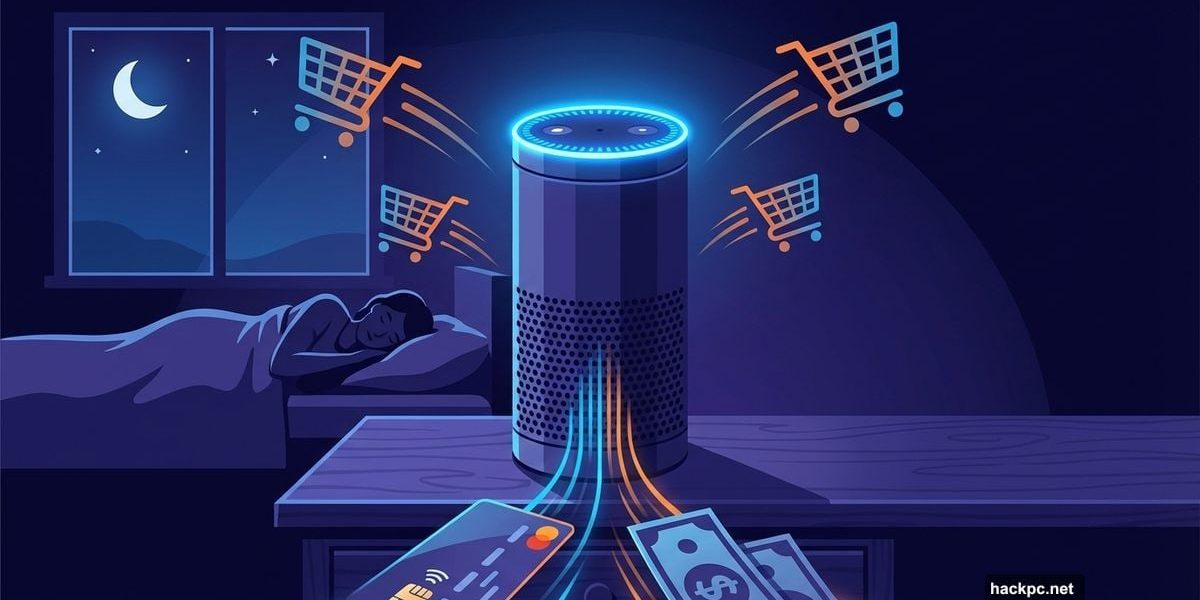
Alexa just learned to spend your money automatically. No permission needed once you set it up.
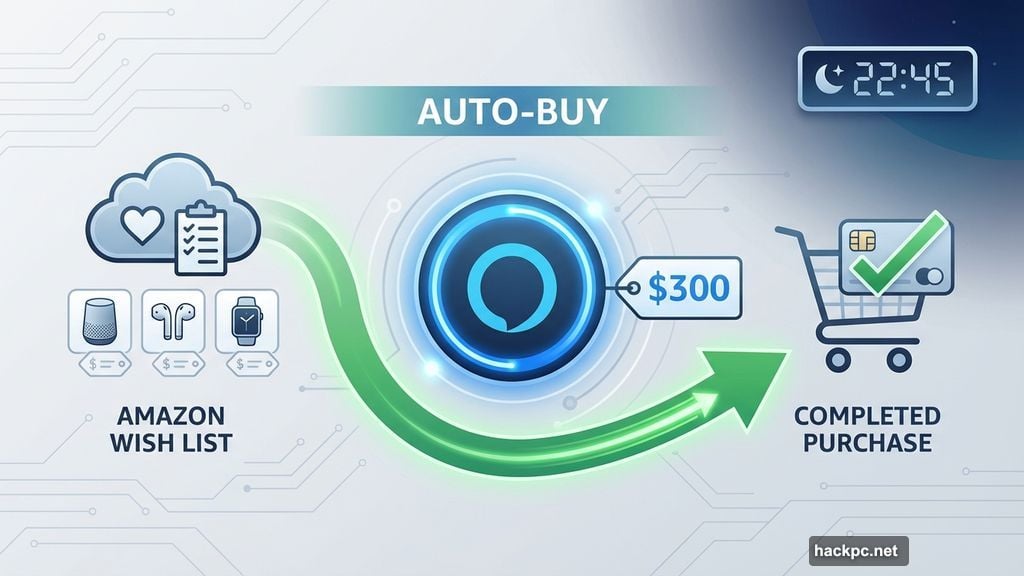
Amazon rolled out features that let Alexa Plus track prices and buy products the moment they hit your target price. The assistant monitors your wish list constantly, waiting to pounce when deals appear. Plus, it can complete purchases using your saved payment info without asking first.
Sounds convenient. But it also means your smart speaker could rack up charges while you’re at work or asleep.
How Alexa’s Auto-Shopping Actually Works
The price-tracking feature watches items in your Amazon basket and wish list. You can tell Alexa to alert you when specific products drop below certain amounts.
For instance, say “Alexa, tell me when the Dyson Supersonic falls below $300.” The assistant monitors that product and notifies you when the price drops. Simple enough.
However, the real kicker is the auto-buy capability. You can instruct Alexa to purchase items automatically once they reach your desired price. It uses your default shipping address and payment method to complete orders without additional confirmation.
Amazon’s Rufus AI chatbot got these same features last month. So now the company offers automatic purchasing across multiple platforms.
Echo Show Gets a Shopping Command Center
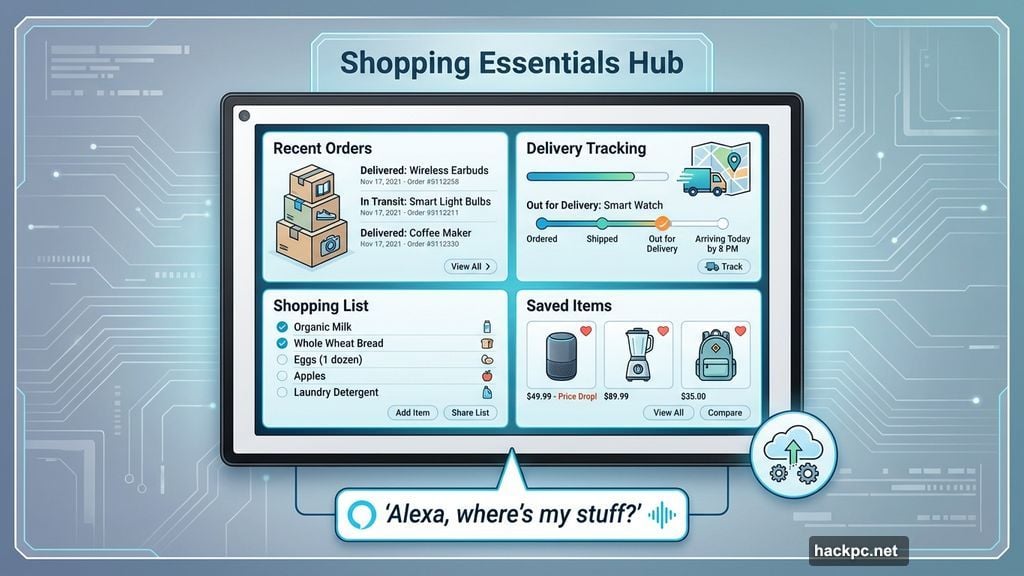
Amazon launched a new Shopping Essentials hub for the Echo Show 15 and Echo Show 21 this week. It consolidates several shopping features into one interface.
The hub displays recent orders, real-time delivery tracking, your shopping list, and saved items. It also suggests household essentials you might want to repurchase. Moreover, the feature can be activated by saying “Alexa, where’s my stuff?” or “Open Shopping Essentials.”
Amazon says a shopping widget for Echo device home screens is coming soon. So you’ll see shopping information constantly displayed on your smart display.
Last-Minute Add-Ons Before Shipping
Alexa Plus now prompts users to add items to orders that haven’t shipped yet. The assistant suggests products that can be included “right up until it leaves the warehouse.”
This feature aims to reduce the number of separate deliveries by bundling purchases. But it also encourages impulse buying by creating urgency around limited time windows.
Another new capability is personalized gift recommendations. Tell Alexa Plus who you’re shopping for and the occasion. Then it generates product suggestions organized by category. The visual layout makes browsing easier on Echo Show devices.
The Holiday Gift-Ruining Problem
Here’s something Amazon doesn’t advertise clearly. Price alerts for items in your basket could spoil surprises for other household members.
Imagine your partner adds a gift for you to their Amazon cart. Then Alexa announces the price drop out loud while you’re both in the kitchen. Surprise ruined.
The auto-buy feature compounds this issue. Items could arrive unexpectedly, making it harder to hide presents. Families should coordinate who uses these features during the holiday season.
Why Automatic Purchases Feel Risky
The convenience of auto-buying comes with obvious downsides. Once enabled, Alexa makes purchases without confirmation. That means potential for mistakes.
What if you already bought the item elsewhere? What if the product quality changed and reviews worsened? What if you simply changed your mind? The assistant doesn’t know. It just sees a price target met and completes the transaction.
Amazon offers easy returns. But returning items creates hassle and waste. Plus, it requires monitoring your orders closely to catch unwanted purchases quickly.
The feature also assumes your default payment method and shipping address remain current. If you forgot to update either after moving or changing credit cards, orders could go wrong without you realizing until it’s too late.
Smart Shopping or Spending Trap?
These features serve Amazon’s interests more than yours. The company profits when you buy more stuff and when you buy it faster. Auto-purchasing eliminates the last moment of hesitation before checkout.
Yes, price tracking helps you save money on items you genuinely need. But the aggressive prompts to add items to existing orders and personalized gift suggestions nudge you toward buying more overall.
The Shopping Essentials hub keeps Amazon products and services constantly visible on your Echo Show. That visibility drives purchases through repeated exposure and convenience.
Amazon built an assistant that’s increasingly optimized to make you shop rather than help you live better.
Should You Enable Auto-Buy?
The auto-buy feature makes sense for specific use cases. Tracking prices on expensive items you’ve researched thoroughly lets you grab deals without constant monitoring.
But enabling automatic purchasing for multiple items or routine purchases seems risky. The potential for unwanted orders, budget surprises, and gift-spoiling incidents outweighs the minor convenience gain.
Better to use price alerts without auto-buy. Let Alexa notify you when prices drop. Then decide whether to purchase based on your current needs and budget. That extra step of confirmation prevents mistakes and impulse buys.
Smart homes should make life easier, not create new problems to manage. Automatic purchasing crosses the line from helpful to potentially problematic for most households.


Comments (0)