
Remember Meetup? The platform that helped strangers become friends over board games and hiking trips predates Facebook. Now it’s betting big on Gen Z to fuel its comeback.
After bouncing between owners like WeWork and surviving corporate chaos, Meetup landed with Bending Spoons in 2024. The Italian tech company best known for acquiring Evernote just rolled out a complete mobile redesign. Plus, the timing couldn’t be more interesting.
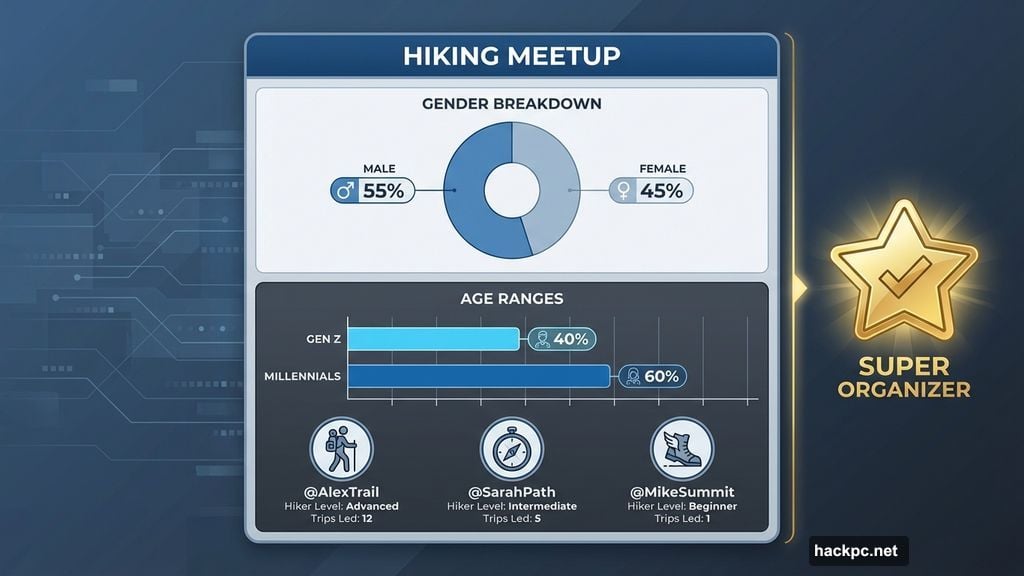
Young people are leading Meetup’s resurgence. Gen Z and young Millennials now make up 40% of active users. Even better, they’re the most engaged group on the platform. New sign-ups jumped 20% year-over-year in 2025. So the company is doubling down with features designed specifically to get people off their couches and into real-world meetups.
Fresh Look, Same Mission
The redesigned app launches today across iOS and Android. It matches Meetup’s recently updated website with brighter colors, cleaner fonts, and better spacing.
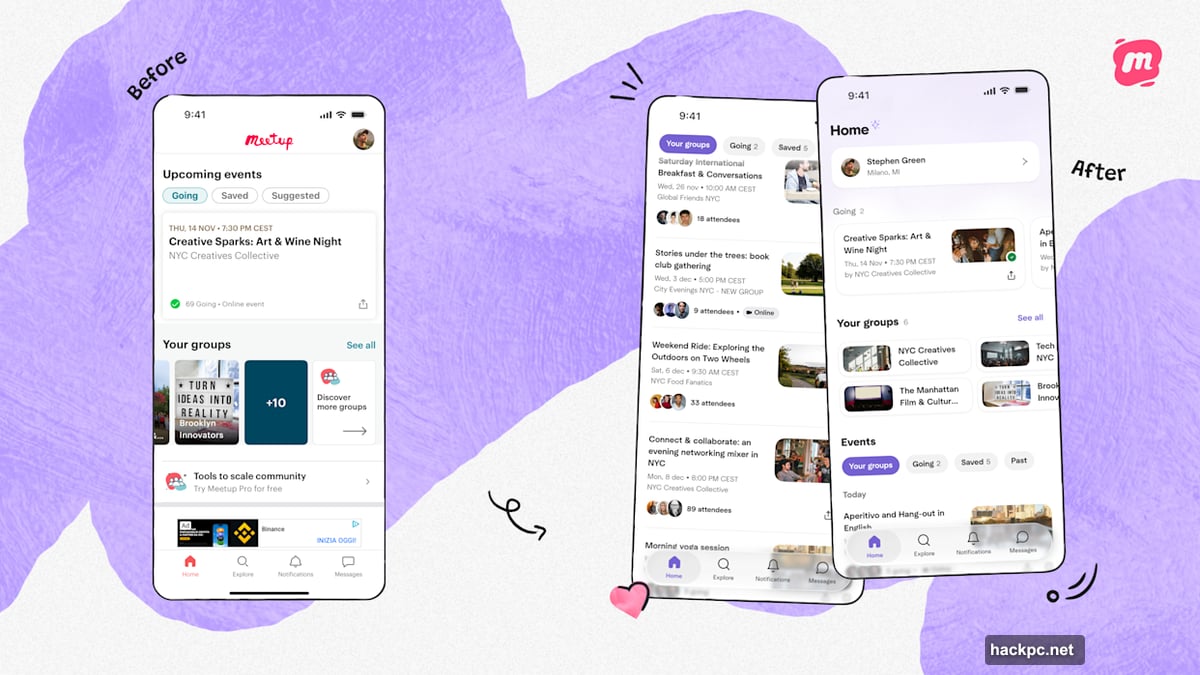
“Vibrant, fun and more modern” is how product lead Chiara Vivaldi describes the new interface. But this isn’t just a cosmetic refresh. The redesign makes key features easier to find. Your profile and groups now sit right on the homepage instead of buried in menus.
All the features from the old app survived the transition. However, navigation got simplified. That matters because the new design sets up bigger changes coming in the next few months.
Solving the “Who’s Actually Going?” Problem
Here’s the real innovation. Meetup is tackling the biggest barrier to attending events with strangers: uncertainty about who’ll be there.
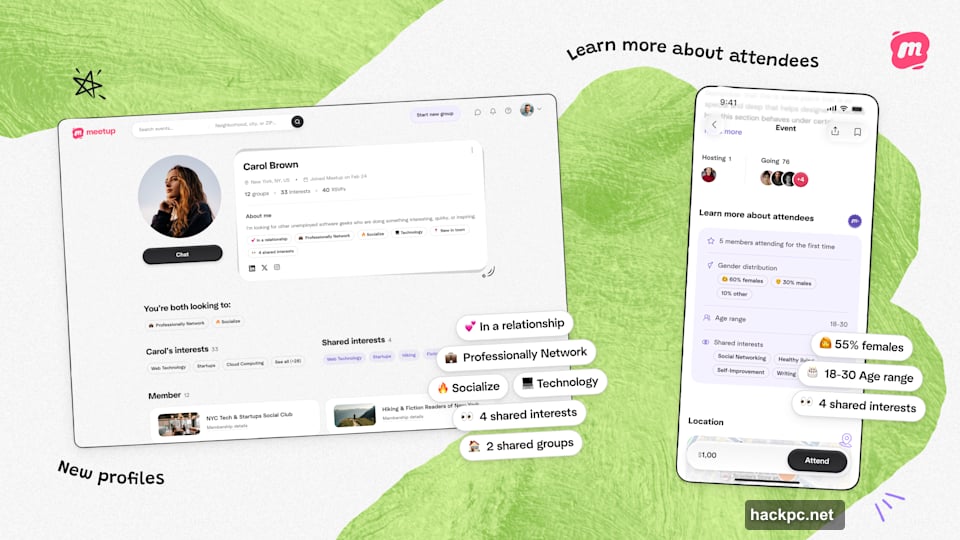
Event pages now show gender and age breakdowns of attendees. Richer user profiles let you scope out potential new friends before committing. Plus, a new “Super Organizer” badge highlights the platform’s most dedicated event planners.
These features target women specifically. They often worry more about safety when attending events solo. Knowing the crowd composition beforehand reduces that friction. So does seeing that a trusted community builder organized the meetup.
Vivaldi says these changes are just the beginning. The team plans to build more confidence-boosting features throughout 2026. The goal? Make it feel less risky to show up somewhere you don’t know anyone.
One App to Rule Them All
Early 2026 brings another major shift. Meetup currently maintains separate apps for regular members and event organizers. That’s about to change.
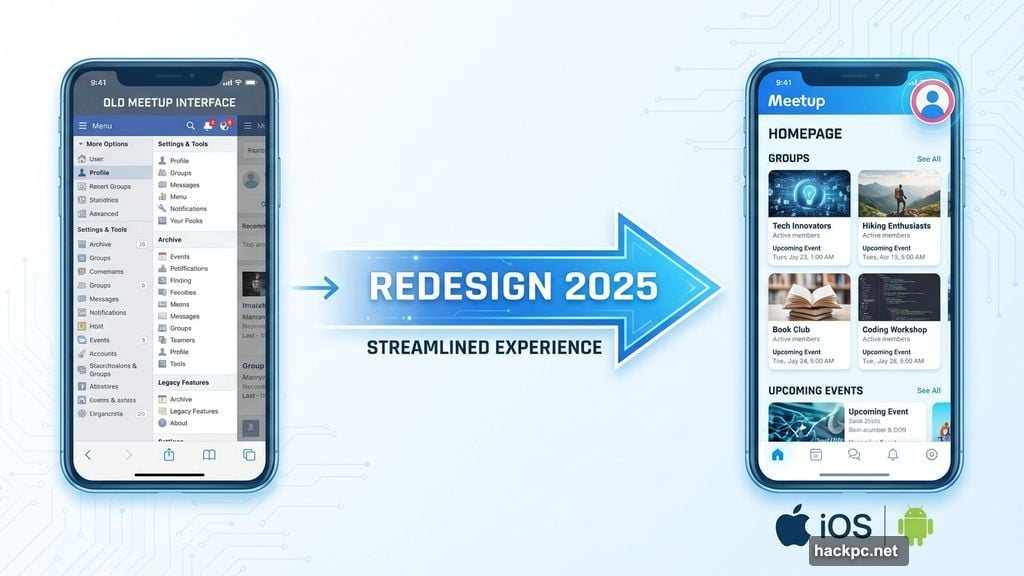
The company is merging both into a single unified app. Organizers will keep all their current tools while gaining new ones like QR-based ticketing for check-ins. Plus, they’ll exist in the same space as regular members.
Why combine them? Turns out 75% of organizers started as regular attendees. They’re not separate user groups. They’re the same community at different engagement levels.
“Organizers are part of the community. They want to be in the action,” Vivaldi explained. Having everyone in one app makes interactions feel more organic. Organizers can browse other events, jump into conversations, and stay connected to the broader Meetup ecosystem.
Can Old Tech Win Young Users?
Meetup’s ownership history reads like a cautionary tale. Founded before social media existed, it survived WeWork’s spectacular bankruptcy and multiple acquisitions. Now Bending Spoons is betting it can thrive in the post-pandemic world.
The numbers suggest they might be right. Young people are craving real-world connections after years of Zoom fatigue and screen addiction. Meetup offers something TikTok and Instagram can’t: actual human interaction over shared interests.
But competing for Gen Z attention means constant innovation. The redesign and upcoming features show Bending Spoons understands this. QR codes, better safety signals, and streamlined navigation speak directly to what younger users expect from apps.
The real test comes in the next few months. Will these changes convert casual browsers into active event-goers? Can Meetup maintain its growth trajectory while keeping longtime users happy?
One thing’s clear. The platform that helped people connect before “social network” became a tech buzzword is fighting to stay relevant. If the resurgence continues, we might see more people putting down their phones and actually meeting up.


Comments (0)