
Streaming services multiplied like rabbits. Now most people subscribe to four or five platforms and still can’t find anything to watch.
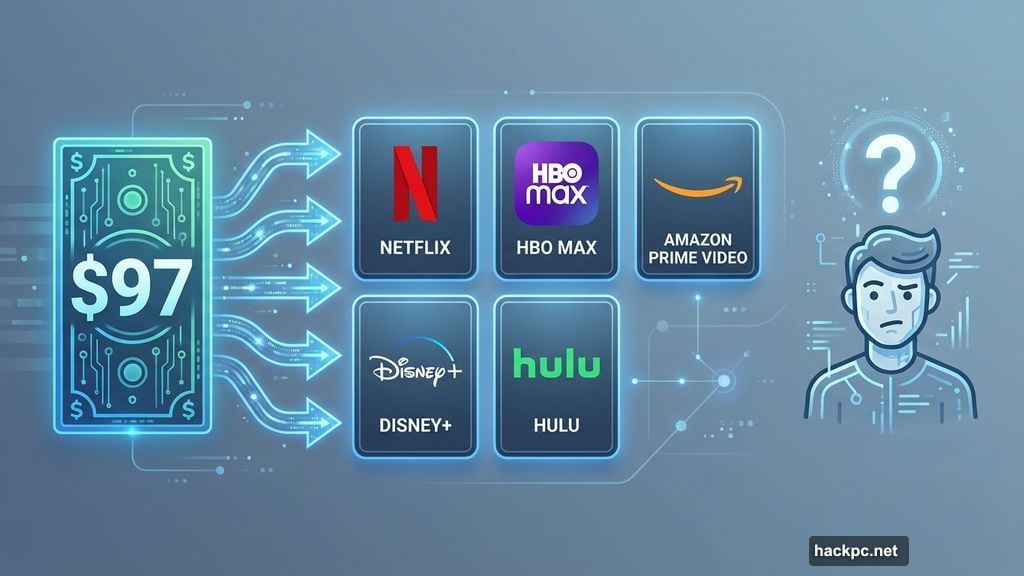
Sound familiar? You’re not alone. The average household spends $97 monthly on streaming subscriptions. That’s more than cable used to cost. Plus, navigating five different apps with five different interfaces feels like work, not relaxation.
So which services actually deserve your money? Let’s cut through the noise and focus on what works for real people watching real content.
Netflix Still Dominates for Good Reason
Netflix costs $8 monthly with ads or $16 without. Yet it remains the most essential streaming service for most households.
Why? Volume and variety. Netflix dumps new content every single week. International shows, documentaries, reality TV, prestige dramas, kids programming. Whatever mood strikes, Netflix probably has something that fits.
Moreover, Netflix nailed the user experience years ago. Switching profiles takes two taps. Picking up where you left off works flawlessly across devices. Downloaded content saves flights and road trips when cell service disappears.
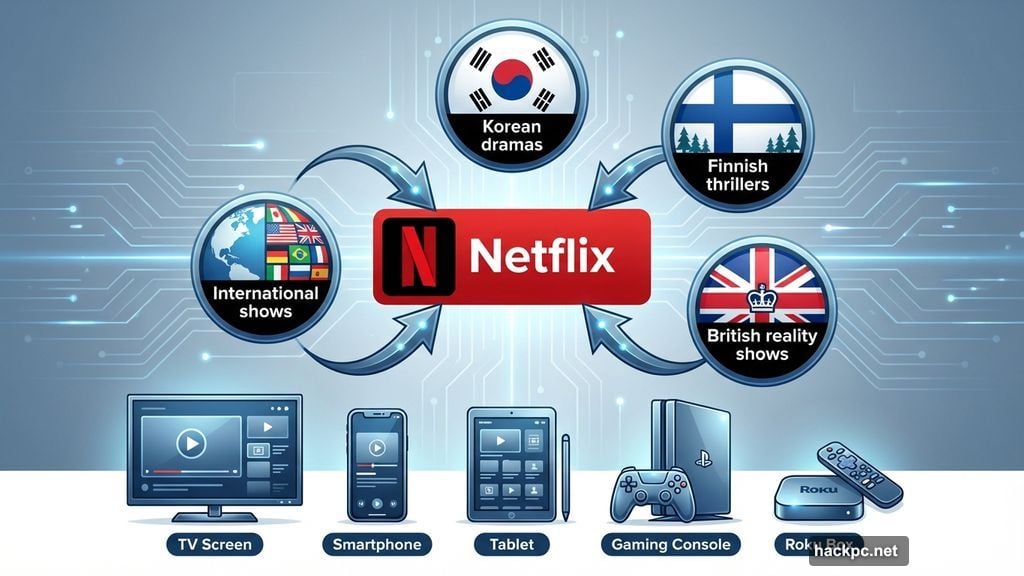
But here’s the real advantage. Netflix operates in nearly every country globally. That means access to Korean dramas, Finnish thrillers and British reality shows most Americans never considered watching. Those international options often outshine domestic releases.
The app works on everything. Your TV, phone, tablet, gaming console. Even your ancient Roku from 2015 runs Netflix smoothly. No other service matches that compatibility.
HBO Max Brings the Prestige Content
HBO Max starts at $10 monthly with ads. For that price, you get arguably the deepest quality library available anywhere.
The HBO vault alone justifies the cost. Game of Thrones, The Wire, The Sopranos, Band of Brothers. Then add Warner Bros movies, Studio Ghibli films, Looney Tunes and Turner Classic Movies. Plus newer hits like The Last of Us and The White Lotus.
HBO also reclaimed content it previously licensed to competitors. Friends, The Fresh Prince, DC Universe shows. That stuff disappeared from Netflix and landed here instead.
However, HBO Max lacks the sheer volume Netflix offers. You won’t find new content dropping weekly. Instead, HBO focuses on premium quality over quantity. That strategy works brilliantly if you value thoughtful programming over endless scrolling.
Amazon Prime Video Sneaks Up On You
Prime Video costs $9 monthly standalone or comes bundled with Amazon Prime for $15 monthly. Most people get it accidentally while chasing free shipping.
Yet Amazon quietly built a legitimate streaming competitor. The Boys, The Marvelous Mrs. Maisel, The Expanse. Original programming that rivals anything Netflix produces.
Plus, Amazon includes 4K and HDR at no extra charge. Netflix makes you pay more for 4K. Amazon just gives it away. Same with simultaneous streams. Two devices can watch different content concurrently without restrictions.
The downside? Amazon’s apps frustrate users constantly. Reading episode summaries requires three taps instead of one. Enabling subtitles feels like solving a puzzle. Jumping between shows takes longer than it should.
Still, the content library justifies those interface quirks. Amazon also lets you rent or buy movies not included with Prime. That means one app handles both subscription content and digital purchases. Convenient for people who hate switching between services.
Disney Plus Owns Family Entertainment
Disney Plus costs $11 monthly with ads. For families with kids, it’s basically mandatory.
Why? Disney controls Marvel, Star Wars, Pixar and its entire animated catalog. Plus National Geographic and 20th Century Studios content. That’s an absurd amount of recognizable IP concentrated in one service.
Four simultaneous streams and unlimited downloads seal the deal. Road trips with kids become survivable when tablets hold downloaded Bluey episodes and Frozen. Trust that observation from personal experience.
Disney also bundles well. Combine it with Hulu, ESPN or HBO Max for discounted rates. Those packages deliver better value than subscribing separately.
However, Disney focuses almost entirely on family-friendly content. Adults without kids might exhaust the catalog quickly. Then again, Star Wars and Marvel appeal to plenty of grown-ups too.
Apple TV Plus Bets Everything on Quality
Apple TV Plus costs $13 monthly. No ads. Just premium original content starring massive celebrities.
Ted Lasso, Severance, For All Mankind. Apple greenlights expensive shows featuring A-list talent. The strategy prioritizes quality over quantity. That gamble paid off with critically acclaimed programming that wins awards consistently.
But here’s the catch. Apple’s library remains small compared to Netflix or HBO Max. You can watch everything worth watching in two months. Then what?
That’s where Apple One bundles help. Combine TV Plus with Apple Music, Arcade and iCloud storage for one monthly fee. Suddenly the value proposition improves dramatically for existing Apple users.
Paramount Plus Quietly Became a Sports Hub
Paramount Plus starts at $8 monthly with ads. Most people think CBS shows and Star Trek. They’re missing the sports revolution happening quietly.
UEFA Champions League soccer. Serie A from Italy. CONCACAF World Cup qualifiers. NWSL women’s soccer. Plus NFL games airing on your local CBS station stream live.
For soccer fans especially, Paramount Plus transformed into essential viewing. The Champions League alone justifies the subscription. Everything else is bonus content.
The $13 ad-free tier bundles Showtime. That adds Billions, Yellowjackets and Shameless to your viewing options. Suddenly you’re getting two premium services for less than HBO Max charges.
Peacock Holds Premier League Soccer Hostage
NBC’s Peacock costs $8 monthly with ads. For casual viewers, it’s skippable. For Premier League soccer fans, it’s infuriating but necessary.
NBC moved massive numbers of Premier League matches to Peacock exclusively. Want to follow your team comprehensively? You need both cable TV access and Peacock. That’s double the expense for the same content you used to get through cable alone.
Match replays add some value. But mostly Peacock exists to extract extra cash from dedicated soccer fans. Plus it includes NBC shows like The Office and Saturday Night Live. That matters if you missed those shows during their original runs.
Criterion Channel Serves Film Nerds
Criterion Channel costs $11 monthly or $100 annually. It’s the streaming service for people who own physical media and read Sight and Sound magazine.
Classic cinema from around the world. Commentary tracks. Director conversations. Special features that make physical releases worth buying. It’s curated thoughtfully instead of algorithmically.
Where else can you stream Tampopo, a ramen noodle Western? Or explore complete director filmographies with original context? Criterion Channel treats cinema like art worth studying, not just content to consume.
However, it only works in the US and Canada due to licensing restrictions. Plus TV support limits to Samsung sets, though streaming devices fill that gap. Film lovers won’t care about those limitations.
Shudder Keeps Horror Fans Screaming
Shudder costs $9 monthly or $90 annually. If you consume horror content regularly, it’s worth considering.
Classic slashers like Texas Chainsaw Massacre. Plus original productions like Host, which unfolds entirely over Zoom. AMC Networks curates aggressively for genre fans.
But if you’re squeamish or prefer other genres, skip it entirely. Shudder serves a specific audience well instead of trying to please everyone. That focus makes it valuable for horror enthusiasts.
Viki Opens Asian Entertainment
Viki costs $8 monthly for standard or $12 for plus. It’s the gateway drug for K-drama addiction post-Squid Game.
Korean, Chinese and Japanese dramas fill the catalog. Both classic series and new releases stream with quality subtitles. The partnership with Kocowa expands Korean content significantly.
Standard gives you ad-free viewing in 720p on one device. Plus upgrades to 1080p, four simultaneous streams and offline downloads. For anyone exploring Asian entertainment seriously, Viki provides the best English-language access.
The Real Streaming Problem Nobody Fixes
Services multiply while budgets don’t. Subscribing to everything costs more than cable ever did. Plus content moves between platforms constantly as licensing deals expire.
So the winning strategy involves rotation. Subscribe to one or two services monthly. Watch everything worth watching. Then cancel and rotate to different platforms. That approach cuts costs dramatically while maintaining access to premium content.
But it’s exhausting. Nobody wants to manage subscriptions like a part-time job. Unfortunately, that’s where streaming economics landed. Companies compete for your money by making cancellation deliberately annoying.
Choose services that align with your viewing habits. Sports fans need different subscriptions than film buffs or family entertainment consumers. Figure out what you actually watch instead of subscribing to everything that launches.
Your streaming budget deserves the same scrutiny as any other recurring expense. Especially when those costs add up to triple digits monthly.


Comments (0)