
Remember your teenage Gmail address? The one with “xXCoOlGuY420Xx” or “LazySexyGirl2007”? Google finally gets it.
The company quietly rolled out a feature letting some users change their Gmail address. So that embarrassing handle you picked in high school doesn’t have to follow you forever.
What Google Is Actually Offering
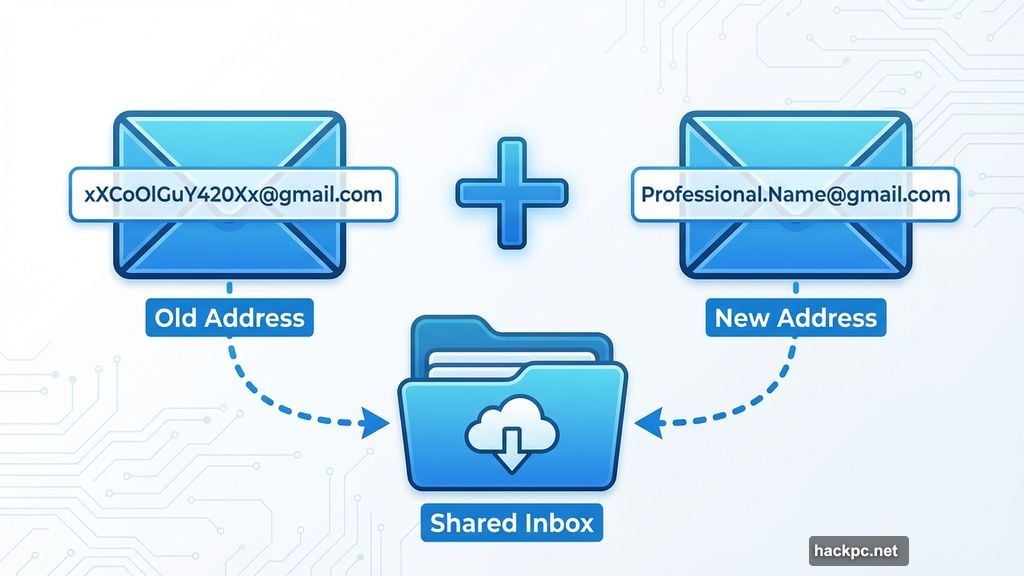
This isn’t a complete address swap. Instead, Google lets you add a fresh email while keeping your old one active as an alias.
Your old address still works for everything. Messages sent there arrive in your inbox. You can sign in with either address. And all your emails, photos, and files stay exactly where they are.
Think of it like forwarding mail from your old house. Both addresses deliver to the same mailbox. But you can give people the new one without breaking connections to the old.
The Catches You Should Know
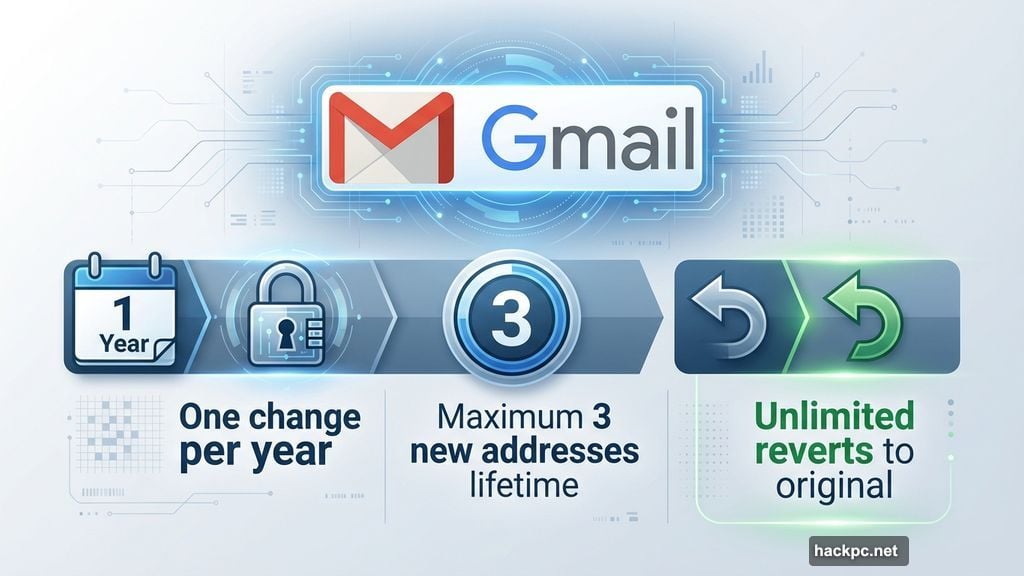
Google built some guardrails into this feature. First, you can only change addresses once per year. Plan carefully.
Plus, you’re limited to three new addresses total over your account’s lifetime. After that, no more changes allowed. However, you can revert to your old email anytime without counting toward that limit.
There’s also a ChromeOS warning. Some settings and files might not carry over properly. Google recommends backing up your entire computer before making the switch. That’s a red flag worth noting.
Who Gets This Feature First
The rollout appears selective and gradual. Google posted details on a support page in Hindi. But the English version hasn’t updated yet.
Moreover, no Verge staffers could access the feature when testing their accounts. So availability varies widely right now. Google hasn’t confirmed an official timeline for broader release.
Meanwhile, 9to5Google reports the feature is “gradually rolling out to all users.” Translation: your mileage may vary. Some people have it. Most don’t yet.
Why This Matters More Than You Think
Name changes create real headaches with Gmail. Married people changing surnames. Trans individuals updating their names. Anyone evolving their identity faces the same problem.
Before now, your only options were terrible. Create a new Gmail account and lose your history. Or keep explaining why your email doesn’t match your name. Neither solution worked well.
This feature solves that friction. You get a fresh email that matches your current identity. But you don’t lose access to 15 years of messages and files. That’s genuinely useful.
The Alias System Creates Flexibility
Here’s where Google’s approach gets clever. Your old address becomes an alias, not a redirect.
So services tied to your original email still work normally. Your Apple ID. Your banking apps. Your Netflix subscription. Nothing breaks because technically both addresses point to the same account.
Plus, you can switch back anytime. Had second thoughts about your new address? Revert to the original without penalty. That flexibility matters when you’re limited to three lifetime changes.
What’s Missing From This Solution
Google still won’t let you delete your old address entirely. It stays active forever as an alias. For some people, that defeats the purpose.
Imagine you’re escaping an abusive relationship. Or you’re a public figure dealing with harassment. In those cases, keeping the old address accessible creates security risks. Google’s solution doesn’t address that scenario.
Additionally, the three-address lifetime limit feels arbitrary. Why not let people change more often? Especially if they’re willing to wait a year between changes. The restriction seems designed to prevent abuse. But it also penalizes legitimate users.
Rolling Out Features in Hindi First
One weird detail: Google published this feature documentation in Hindi before English. That’s unusual for a US-based company.
It suggests either a testing phase focused on specific markets. Or possibly a documentation team working faster than the product rollout. Either way, English-speaking users noticed the feature exists before they could actually use it.
So if you’re checking your Gmail settings and finding nothing, that’s why. The feature exists somewhere. Just not everywhere yet.
The Practical Side of Email Identity
Your email address carries more weight than most people realize. It’s your digital identity anchor. Your recovery option for dozens of accounts. Your professional contact point.
Changing it creates cascading complications. You need to update everywhere: job applications, bank accounts, social media, shopping sites. The list never ends. So most people just live with embarrassing addresses rather than deal with migration hell.
Google’s alias approach sidesteps that migration nightmare. Both addresses work simultaneously. So you can gradually shift services to your new email without panic or deadline pressure.
One Last Detail Worth Noting
Google hasn’t officially announced this feature. No blog post. No press release. Just a support page in Hindi and gradual access for some users.
That suggests either a quiet test before wider launch. Or a feature Google isn’t confident about promoting yet. The ChromeOS backup warning hints at technical wrinkles still being ironed out.
So if you’re desperate to change your Gmail address, patience might be required. The feature exists. But accessing it depends on factors Google hasn’t made public yet.
Your terrible teenage email might stick around a bit longer. But at least there’s hope now. Eventually, LazySexyCool3030 can retire gracefully. And you can face the professional world with an address that doesn’t make recruiters laugh.




Comments (0)