
Tech farewells felt different in 2025. Fewer shocking shutdowns. More quiet endings that signal where the industry’s heading.
Some goodbyes stung. Others just confirmed what we already suspected. And a few reminded us how quickly “essential” tech becomes obsolete when companies decide it’s time to move on.
Let’s pay our respects to what we lost this year.
AOL Dial-Up Finally Stopped Screeching
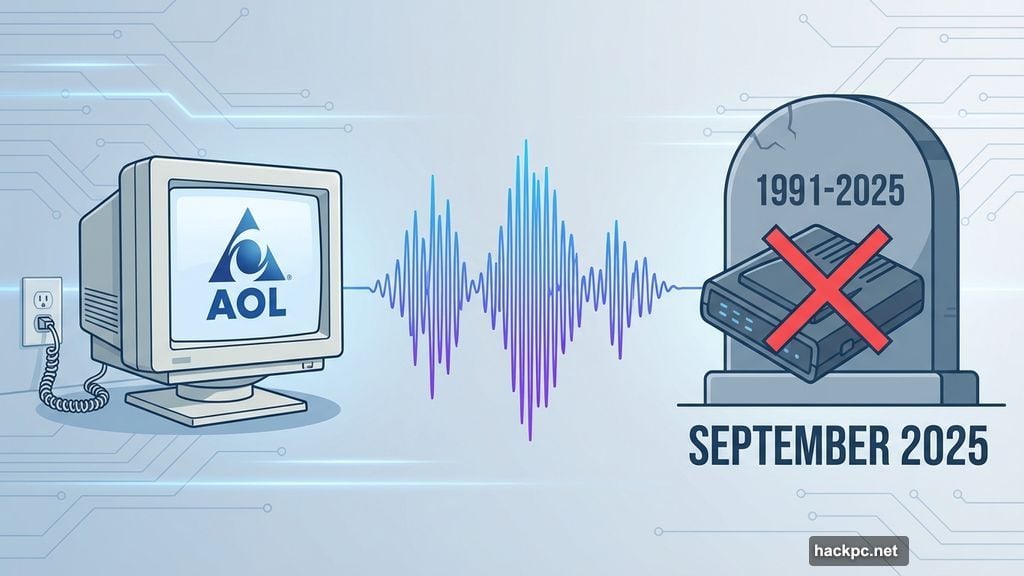
Remember that distinctive modem handshake? That warbling symphony of connection that defined early internet access? It went silent for good in September.
AOL shut down its dial-up service after 34 years. The move stranded rural customers who still relied on it for home internet access. In fact, around 2 million people were still using dial-up as recently as 2015.
For those of us old enough to remember logging into specific services to access the web, this marks the end of an era. The internet used to be a destination you traveled to. Now it just exists everywhere, all the time.
That’s progress, I suppose. But something about those screechy tones felt honest. You knew exactly when you were connected and when you weren’t.
Humane AI Pin Lasted Barely a Year
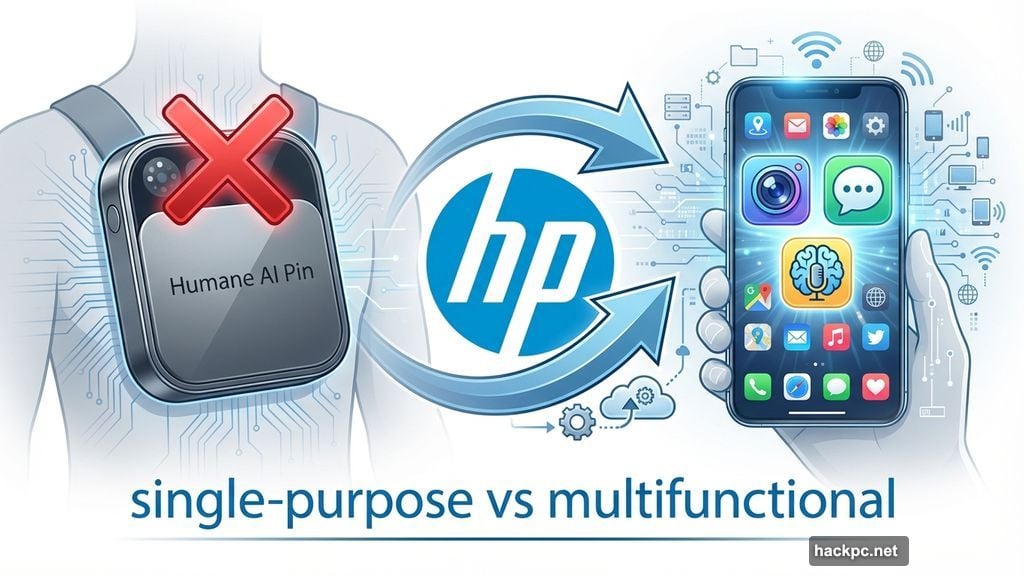
The Humane AI pin promised a new way to interact with AI. Wear it on your chest. Talk to it. Skip the phone entirely.
It bombed spectacularly. Not just because it didn’t work well. But because we already carry fully capable computers in our pockets.
HP acquired Humane AI in February, but they wanted the talent and patents. The hardware itself? Dead on arrival. It joins a long line of single-purpose gadgets that couldn’t compete with our multifunctional phones.
I wasn’t surprised. I’ve watched this pattern repeat for years. Cool concept. Limited functionality. Can’t beat the phone. Game over.
iPhone’s Last Home Button Left Town
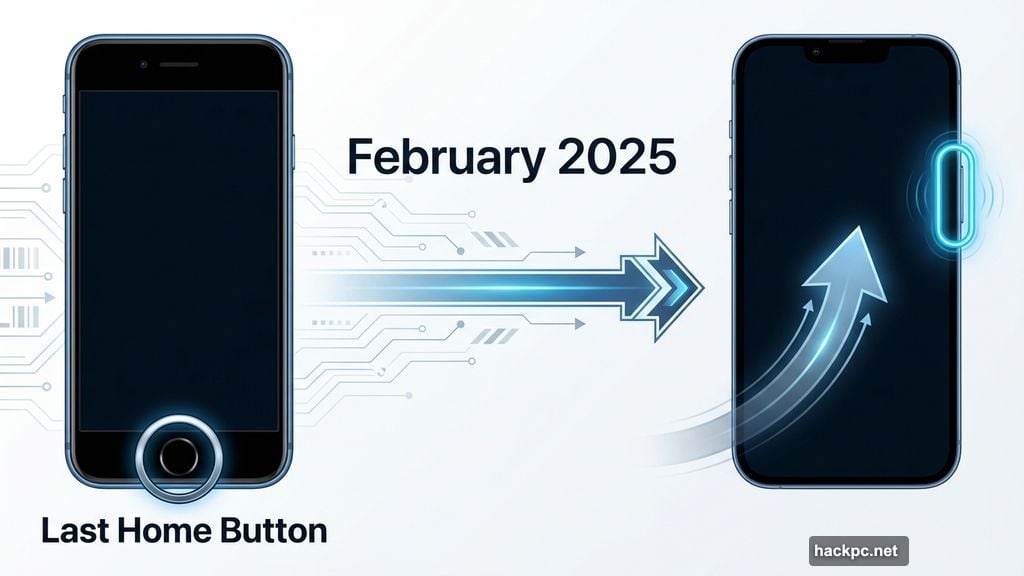
The iPhone SE held out as long as it could. It was the last iPhone with a dedicated physical home button. Then Apple replaced it with the buttonless iPhone 16E in February.
Now every iPhone requires gestures. Upswipes from the bottom. Side button combinations. Muscle memory routines that don’t always register correctly.
Sure, you can remap controls. But that means sacrificing direct access to something else. The home button was simple. Reliable. Always worked exactly the same way.
I curse its absence every time my iPhone gets persnickety about sensing my upswipes. Sometimes the simplest solutions really are the best ones.
Micron Abandoned Consumer Memory for AI Gold
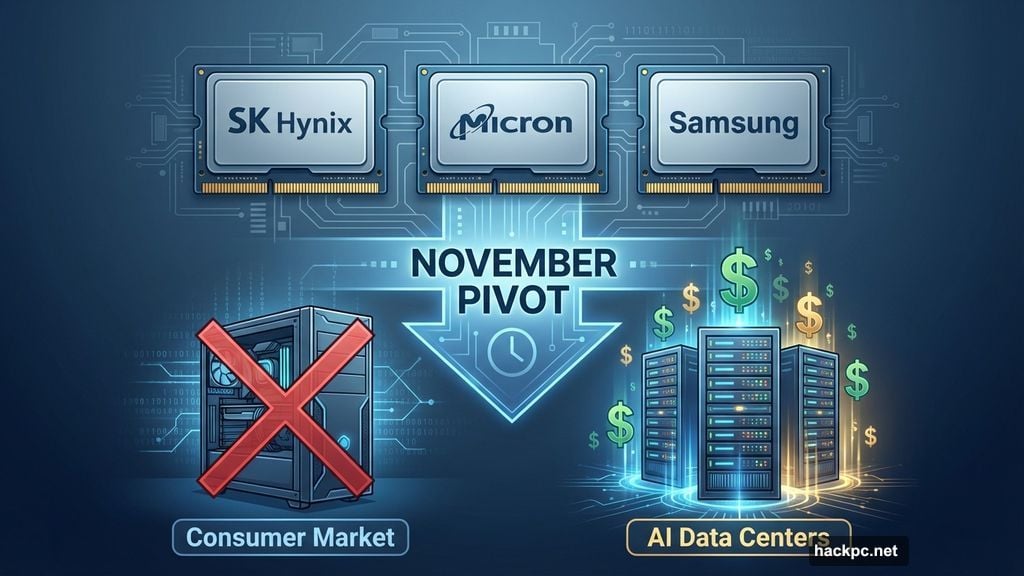
Memory manufacturers are chasing AI profits. Companies building data centers need high-bandwidth memory yesterday. And they’ll pay premium prices for it.
Micron announced in November it’s pivoting away from consumer markets entirely. That leaves just three major manufacturers: SK Hynix, Micron, and Samsung.
Translation? PC memory will stay expensive and hard to find. AI’s appetite for resources is crowding out regular consumers. We’re competing with deep-pocketed tech giants for the same components.
This trend won’t reverse anytime soon. Data centers generate far more revenue than DIY PC builders. So expect memory prices to stay brutal.
Windows Killed the Blue Screen of Death
The “blue screen of death” has terrorized Windows users since the early GUI days. That giant frowning emoticon signaling catastrophic system failure became iconic.
Microsoft replaced it in October 2025. The new version uses a black background with simpler UI. Supposedly less anxiety-inducing.
The company improved crash recovery speed and backend data collection too. But losing that distinctive blue? That hurts a little.
I still expect to see the old BSoD in weird places. Digital billboards running outdated Windows. Taxi entertainment systems frozen mid-crash. Some tech refuses to truly die.
Amazon Torched Its General Android App Store
Amazon shut its general Android app store in August after 14 years. Now it only offers apps designed specifically for Fire devices.
The move reflects Amazon’s laser focus on its own ecosystem. Why support generic Android when you can push customers toward Fire tablets and sticks?
It’s classic Amazon strategy. Control the platform. Control the content. Drive buyers toward your branded hardware. Maximize profit at every step.
The Fire devices run a custom Android fork anyway. But closing the general store eliminates any pretense of supporting broader Android. Amazon wants you locked into Amazon products.
Skype Became Just Another Teams Feature
Before FaceTime dominated video calls, Skype pioneered cheap international voice communication. Microsoft acquired it in 2011 and added video capabilities.
In February, Microsoft folded Skype into the free version of Teams. The standalone app? Gone. Another victim of consolidation.
Teams isn’t exactly beloved. But Microsoft wants one unified communication platform. Maintaining separate apps doesn’t serve that goal.
Skype lasted longer than most expected. But once you’re absorbed into a larger product, you lose your identity. Now it’s just a feature set inside Teams.
Google Dumbed Down Old Nest Thermostats
Google disconnected the first two generations of Nest Learning Thermostats from its app in October. The hardware still functions. But it lost remote operation, notifications, and security updates.
This is textbook planned obsolescence. The devices work fine. They’re just old by tech standards. Nest Labs launched them in 2011. Google bought the company in 2014.
By “ending support,” Google essentially forces upgrades. Your thermostat becomes dumb again. No app control. No smart features. Just a regular programmable thermostat you paid premium prices for.
The hardware didn’t fail. Google just decided supporting it wasn’t profitable anymore. That’s infuriating for customers who invested in the ecosystem early.
Stadia Controllers Lost Their Last Upgrade Path
Google’s Stadia cloud gaming service died at the end of 2022. The company refunded hardware purchases and offered firmware upgrades to convert the custom controllers to standard Bluetooth.
As of December 2025, Google stopped offering that conversion firmware. If you haven’t upgraded your controller by now, it’s permanently locked to the dead Stadia platform.
The controller itself is well-designed. Tossing it seems wasteful. But without the firmware update, it’s just another nonfunctioning collectible gathering dust.
At least Google tried to extend its usefulness. But cutting off the upgrade path means late adopters get stuck with expensive paperweights.
US Government Grounded DJI Drone Imports
A ban on foreign-made drone imports took effect in December. DJI, one of the most well-known drone manufacturers, can’t ship new products to the US anymore.
You can still fly existing DJI drones and buy remaining inventory. But finding new units? That’s getting harder fast.
This isn’t about tech obsolescence. It’s about geopolitics and national security concerns. But the effect on consumers is the same. A major product line just became harder to access.
The drone photography and videography communities rely heavily on DJI hardware. This ban forces them toward more expensive alternatives or settling for inferior options.
The Pattern Behind the Losses
Looking at these endings together reveals uncomfortable trends. Companies increasingly control product lifespans through software and support decisions.
Hardware that works perfectly gets bricked by discontinued services. Apps get folded into larger platforms and lose identity. Memory manufacturers chase AI profits and abandon consumers.
Very little actually broke. Companies just decided supporting these products no longer served their strategic goals. We’re not buying devices anymore. We’re renting access to ecosystems that can vanish whenever profits dictate.
The tech we lost in 2025 didn’t really die. It was killed. There’s a difference worth remembering.

Comments (0)