
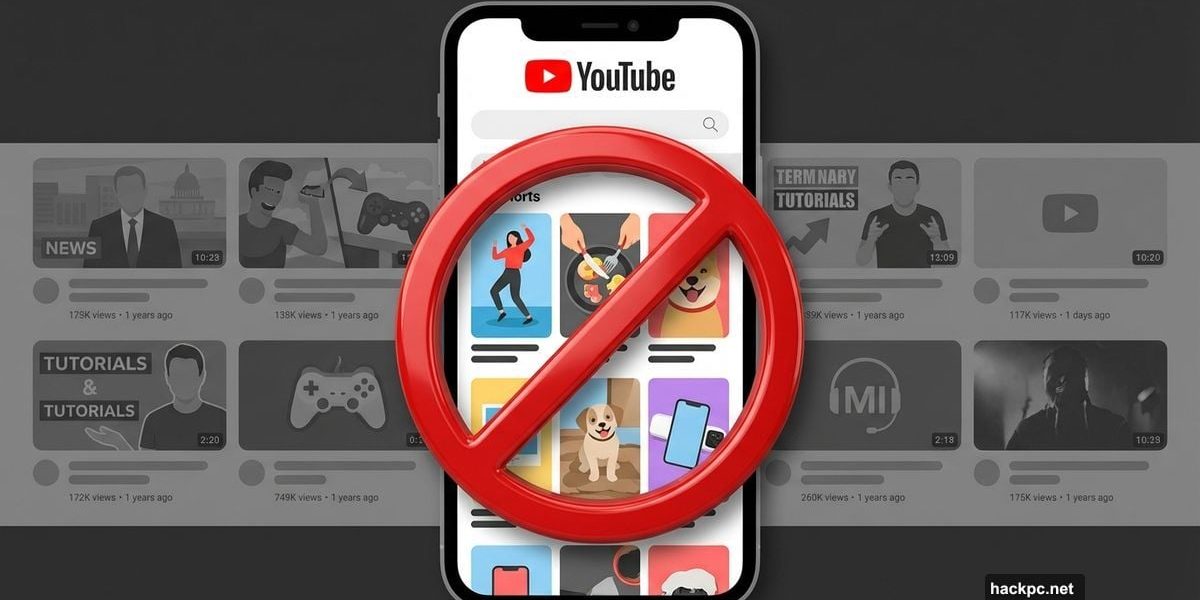
YouTube just fixed one of its most annoying problems. You can now exclude Shorts from search results entirely.
This means no more scrolling past dozens of ten-second clips when you’re hunting for a detailed tutorial. No more accidentally clicking on a Short when you wanted a full video. Plus, with AI-generated content flooding the platform thanks to Google Veo 3, this filter arrives at the perfect time.
What Changed in YouTube Search
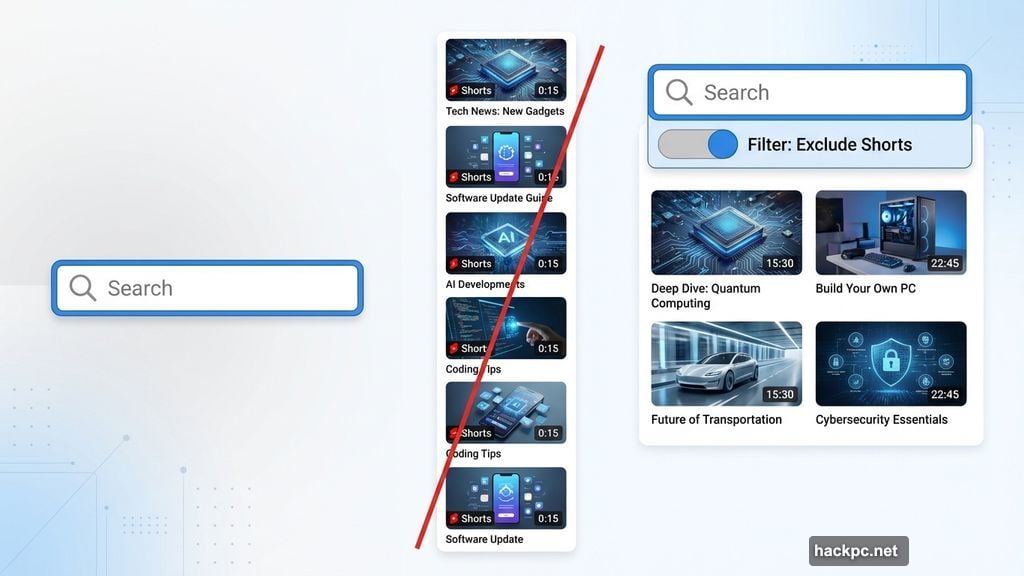
YouTube rolled out several updates to its advanced search tools today. The biggest addition? Shorts now appear as a filterable content type.
So you can finally tell YouTube “show me everything except Shorts.” This works just like filtering by upload date or video length. But instead of narrowing results, it removes an entire category you don’t want.
The change addresses a real frustration. Shorts dominate search results even when they’re completely unhelpful for your query. Looking for a 20-minute cooking tutorial? YouTube might show you 50 recipe Shorts first. Searching for an in-depth tech review? Here’s a wall of 30-second clips instead.
Now you control what you see.
Other Search Improvements Worth Noting
YouTube also renamed two existing features to better reflect what they actually do.
The “Sort By” menu is now called “Prioritize.” This makes more sense. You’re not just sorting results chronologically or by view count. Instead, you’re telling YouTube which factors matter most to you.
Meanwhile, “View Count” became “Popularity.” This change carries more weight than it seems. YouTube’s algorithm now considers multiple engagement metrics beyond raw views. Watch time, likes, comments, and shares all factor into “popularity” rankings.
That’s actually useful. A video with 100K views but terrible retention isn’t as popular as one with 50K views and high completion rates. The new system accounts for that difference.
What YouTube Removed
Not everything survived the update. YouTube killed two filter options that apparently nobody used.
“Upload Date – Last Hour” is gone. Fair enough. How often do you need videos uploaded within the past 60 minutes? That’s an incredibly narrow window for most searches.
“Sort by Rating” also disappeared. This one makes sense too. YouTube removed public dislike counts years ago. Rating-based sorting became less meaningful when users couldn’t see the full picture.
Both removals feel like housekeeping. YouTube cleaned up options that outlived their usefulness.
Why This Matters for AI Content
The timing of the Shorts filter is no coincidence. AI-generated content exploded on YouTube over the past year.
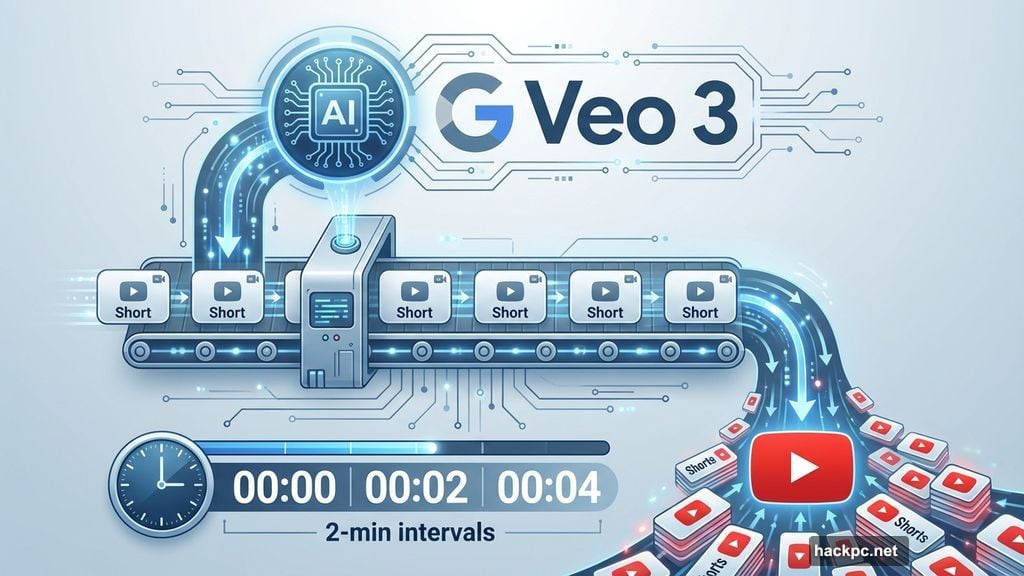
Google’s Veo 3 engine made it ridiculously easy to pump out short videos. These clips often look polished but lack substance. They’re designed to game the algorithm, not inform viewers.
Shorts became the perfect vessel for this content. Quick to make. Easy to spam. Hard for viewers to avoid.
So a filter that excludes Shorts also helps you dodge low-quality AI slop. Not all Shorts are AI-generated, obviously. But the format attracts creators looking for quick wins rather than valuable content.
Being able to filter them out improves your overall search experience significantly.
How to Use the New Shorts Filter
The feature lives in YouTube’s advanced search options. Here’s the quick version.
Search for something. Then click the filter icon. Look for the content type menu. Select “Shorts” and toggle it off.
That’s it. Your results will now exclude all Shorts. You’ll only see standard-length videos.
The filter stays active as long as you keep that search session open. But it doesn’t persist across different searches or browser sessions. You’ll need to reapply it each time.
Still, that’s a minor inconvenience for the control it provides.
What Could Come Next
YouTube’s search updates hint at broader changes to how the platform prioritizes content.
The shift from “View Count” to “Popularity” signals a more sophisticated ranking system. YouTube wants to surface videos that genuinely engage viewers, not just ones with big numbers.
This could eventually extend to other content types. Maybe we’ll see filters for AI-generated content. Or options to prioritize creator-made videos over studio productions.
The Shorts filter proves YouTube responds to user complaints when enough people make noise. Search frustration was real. YouTube addressed it.
That sets a precedent for future improvements.
The Real Reason This Update Matters
YouTube recognized that one-size-fits-all search doesn’t work anymore. Different people want different things from the platform.
Some users love Shorts. They want quick entertainment during breaks. Others prefer deep dives and long-form content. They’re researching topics or learning new skills.
Forcing everyone through the same search experience frustrated the second group. This update fixes that problem.
It’s a small change with big implications. YouTube admitted that Shorts don’t serve every use case. Then they gave users a choice.
More platforms should follow this approach. Let people customize their experience instead of jamming everything through a single algorithm.
Your time matters. Your goals matter. Now YouTube’s search finally reflects that.



Comments (0)