
Instagram users got spooked this week. Millions received unexpected password reset emails. Now Instagram says the problem’s fixed. But the explanation? Vague at best.
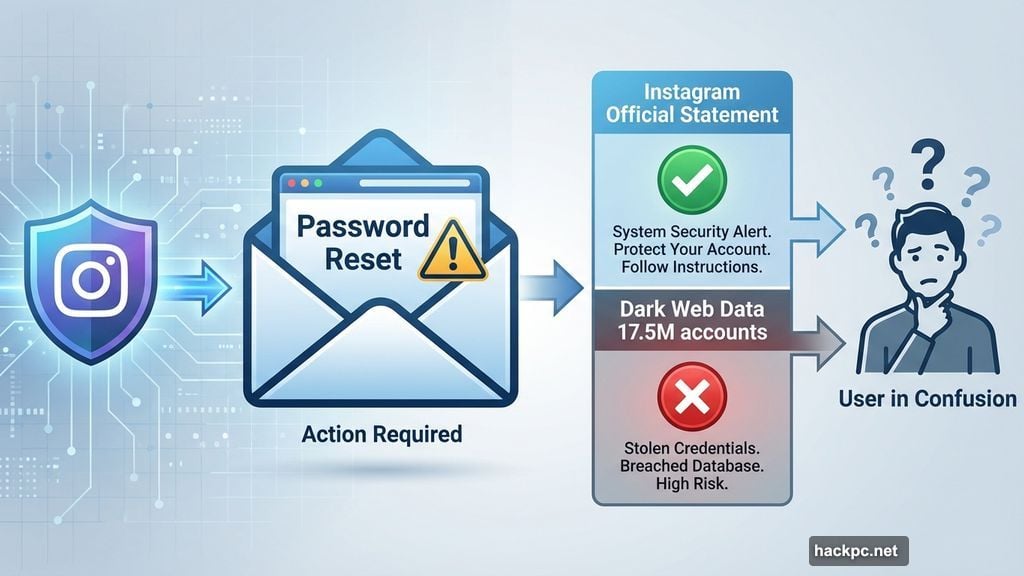
The company confirmed an “external party” triggered mass password resets. Then they assured everyone no breach occurred. So what actually happened? Instagram won’t say. Plus, their story doesn’t quite match security reports circulating online.
Let’s unpack what we know, what doesn’t add up, and what you should do about those emails sitting in your inbox.
What Instagram Claims Happened
Instagram posted a brief statement on X. The message confirmed users could safely ignore the password reset emails. Also, they insisted their systems weren’t breached.
That’s it. No details about the “external party” involved. No explanation of how someone triggered millions of emails without breaching systems. Just reassurance and a quick “move along, nothing to see here.”
Meta didn’t respond to requests for additional clarity. So users are left wondering how secure their accounts actually are. The lack of transparency raises more questions than it answers.
Security Researchers Tell Different Story
Malwarebytes reported something concerning. They found data from 17.5 million Instagram accounts available on the dark web. The leaked information included usernames, physical addresses, phone numbers, and email addresses.
That’s the kind of data you need to target specific users with phishing attacks. Moreover, it’s exactly the information someone would use to trigger password reset emails for real accounts.
Instagram claims no breach occurred. But if outside data exists, where did it come from? The company hasn’t addressed this contradiction. The timeline matches up suspiciously well.
Here’s what bugs security experts. Mass password resets don’t just happen by accident. Someone had access to account information. Whether that came from Instagram’s systems or another source matters. Yet Instagram won’t clarify which scenario occurred.
Should You Worry About Those Emails?

Instagram says ignore them. That’s probably fine for now. But here’s what you should do anyway.
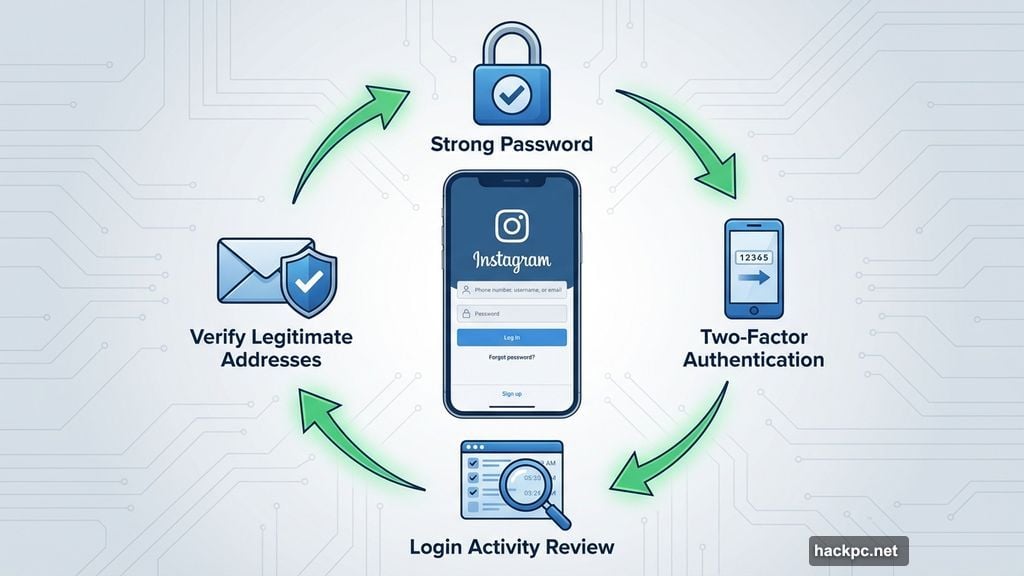
First, check if the emails came from legitimate Instagram addresses. Phishing attempts often follow real incidents like this. Attackers count on confusion to trick users into clicking malicious links.
Second, consider changing your password regardless. Use a strong, unique password you haven’t used elsewhere. Password managers make this easy. Plus, they’ll generate something truly random that hackers can’t guess.
Third, enable two-factor authentication if you haven’t already. This adds crucial protection even if someone gets your password. They’ll still need your phone to access your account.
Fourth, review your account’s recent login activity. Instagram shows where and when people accessed your account. Look for anything suspicious. If you see logins from unfamiliar locations, secure your account immediately.

The Real Problem Nobody’s Addressing
Instagram’s vague response highlights bigger issues with platform accountability. When millions of users receive suspicious emails, they deserve clear explanations. Not corporate non-answers.
Major platforms hold massive amounts of personal data. Users trust companies to protect that information. But when something goes wrong, transparency vanishes. Companies prioritize PR damage control over honest communication.
This creates dangerous situations. Users can’t make informed decisions about their security without accurate information. If data leaked, people need to know. If systems were compromised, users deserve details. Vague reassurances don’t cut it.
Moreover, the disconnect between Instagram’s claims and security researchers’ findings is concerning. Either data leaked somewhere, or researchers are wrong. Instagram should address this directly instead of hoping people forget about it.
What This Means for Your Data
Your Instagram data probably isn’t as secure as you’d like. That’s true even if Instagram’s systems weren’t technically breached. Here’s why.
Data gets aggregated from multiple sources. Even without hacking Instagram directly, attackers compile information from various leaks. They build profiles of users across platforms. Then they use that data for targeted attacks.
So your Instagram data might come from old leaks on other services. Or from data brokers selling information legally acquired. The dark web marketplace for personal information is thriving. Once your data’s out there, it circulates indefinitely.
This means password resets are just symptoms of larger privacy problems. You can’t control what companies do with your data after you share it. You can’t prevent breaches at services you don’t even know collected your information.
The best defense is limiting what you share in the first place. Use unique passwords everywhere. Enable two-factor authentication on everything. Monitor your accounts regularly for suspicious activity.
Instagram Needs to Do Better
This incident shows why clear communication matters. Users don’t need perfect security (nothing’s perfect). But they do need honesty when things go wrong.
Instagram should explain exactly what happened. Were systems compromised? Did attackers use data from external sources? How did they trigger mass resets? What’s Instagram doing to prevent repeats?
These questions deserve answers. Users can handle bad news if it comes with genuine transparency. What frustrates people is corporate stonewalling.
Moreover, Instagram should proactively notify users about data risks. If 17.5 million accounts had information on the dark web, those users should get direct warnings. Not vague tweets telling everyone to ignore emails.
Security incidents will continue happening. That’s reality in our connected world. But companies control how they respond. Choose transparency over PR spin. Treat users like adults who can handle honest information. That’s how you build real trust.
Check your Instagram account security today. Change your password. Enable two-factor authentication. Don’t wait for companies to protect you. Take control of your own digital security while you still can.

Comments (0)