
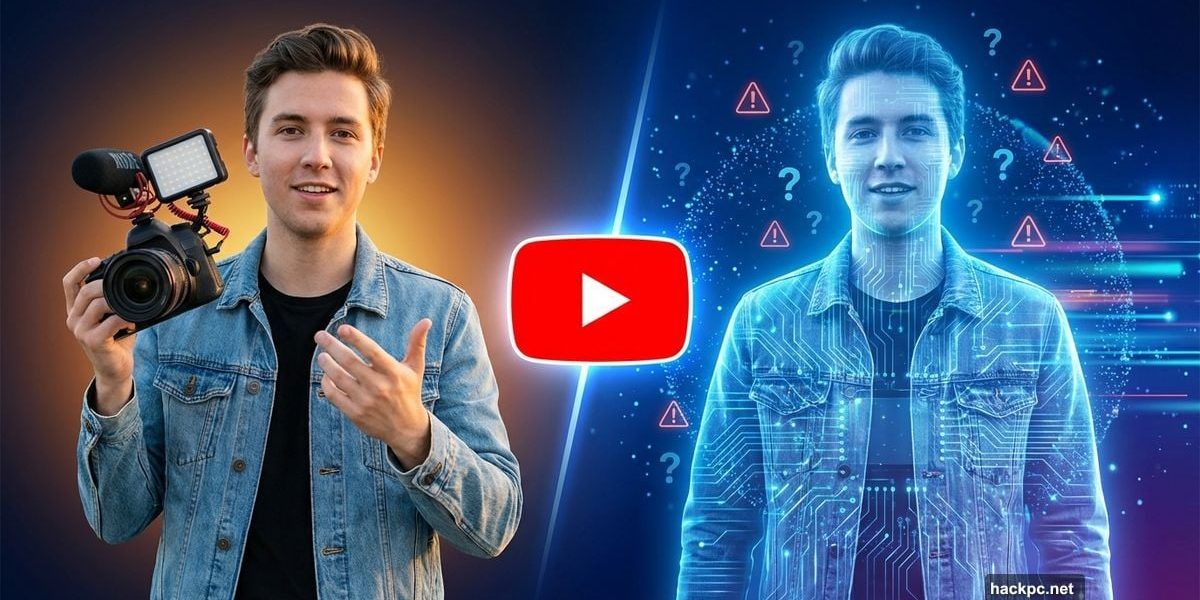
YouTube just handed creators a powerful new tool. Soon, you’ll be able to make Shorts using an AI version of yourself.
CEO Neal Mohan dropped this news in his annual letter Wednesday. But he was quick to add a disclaimer: AI remains “a tool for expression, not a replacement” for human creativity. That line feels important given what’s coming.
Your Digital Twin Makes Content Now
The concept sounds simple enough. Instead of filming yourself, you’ll create a Short using your AI likeness. YouTube hasn’t shared technical details yet. But this likely means typing prompts to generate videos featuring a digital version of you.
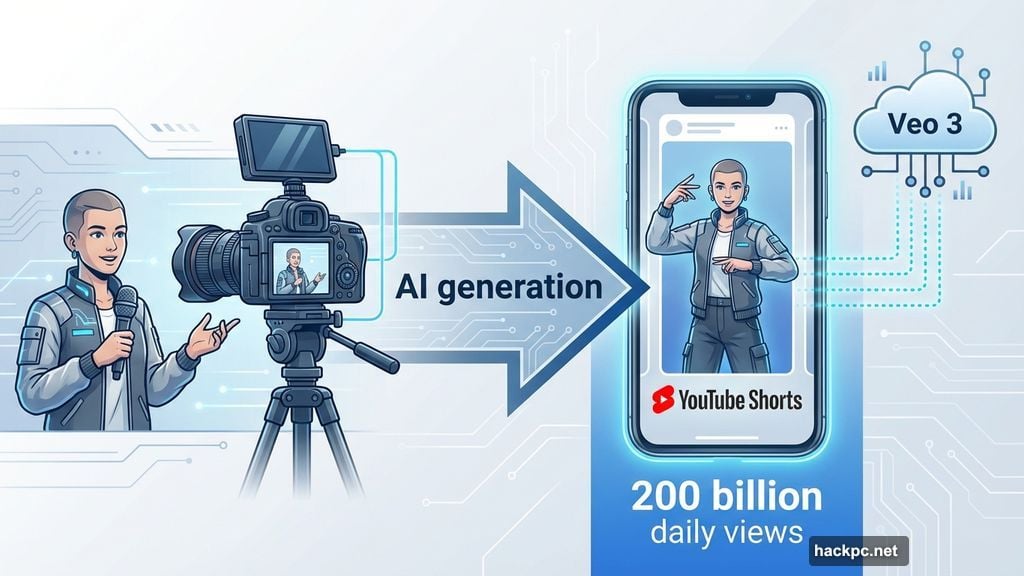
Plus, this isn’t YouTube’s first AI push. The platform added Veo 3 to Shorts last September. That tool already lets anyone generate AI videos from text prompts. So adding creator likenesses feels like the next logical step.
Here’s what makes this different. Shorts pull roughly 200 billion daily views, according to Mohan. That’s massive reach. And if creators can pump out content without cameras or editing, that number could explode even higher.
The Authenticity Problem Nobody’s Solving
But something feels off about this whole thing. YouTube built its empire on authentic creator connections. Fans watch specific people because they like those actual humans. So what happens when half your favorite creator’s content comes from an AI clone?
Moreover, YouTube faces a bigger challenge. The platform struggles to police AI-generated content already. Mohan admitted as much in his letter. “It’s becoming harder to detect what’s real and what’s AI-generated,” he wrote.
That creates a trust problem. If you can’t tell whether you’re watching a real person or their AI twin, does it matter? Some fans will care deeply. Others might not notice. Yet the platform hasn’t explained how it’ll label this AI-generated content clearly.
YouTube Wants It Both Ways
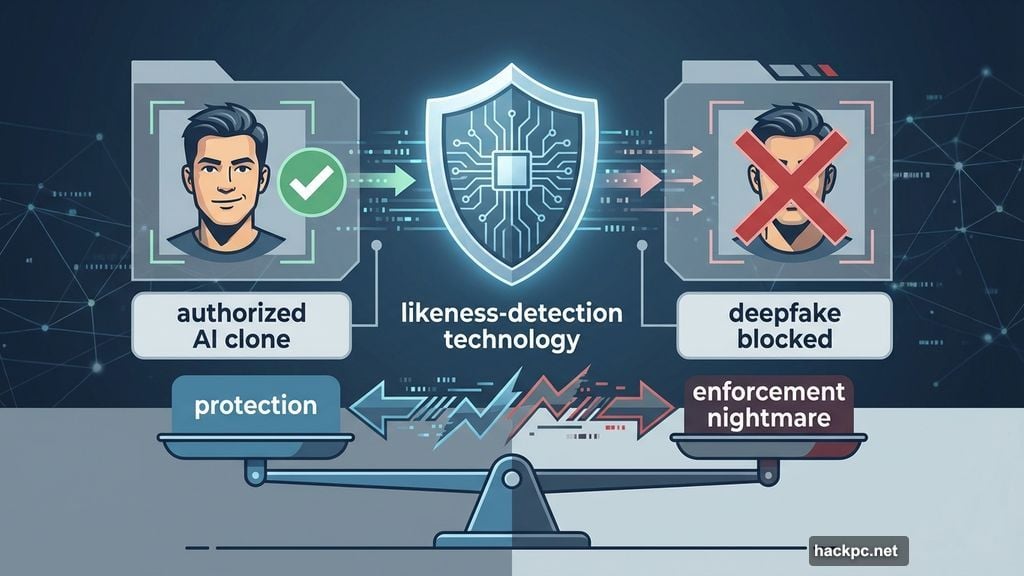
Here’s where things get messy. YouTube rolled out likeness-detection technology last fall. The goal? Prevent unauthorized use of a creator’s face or voice. That’s good protection against deepfakes and impersonation.
So creators can make AI versions of themselves. But nobody else can make AI versions of you. In theory, this makes sense. In practice? It’s going to be a nightmare to enforce.
Think about it. YouTube already struggles with copyright claims and content moderation at scale. Now add AI likeness verification to that pile. The company says it’s “actively building” systems to reduce AI slop and misleading content. But those systems don’t exist yet.
Meanwhile, the floodgates are opening. Text-to-game creation. AI-generated music. Digital creator clones. All coming this year, according to Mohan. Yet the guardrails lag behind the features.
The Real Winners Here
YouTube isn’t doing this for creators. Let’s be honest. The platform wants more content, faster, at lower production costs. AI-generated Shorts mean more inventory to sell ads against. Simple math.
For creators, the benefits seem murkier. Sure, you could theoretically create more content. But at what cost to authenticity? And will audiences even want this?
Some creators will embrace the tool. Busy influencers could maintain posting schedules without constant filming. Educational channels might use AI versions to demonstrate concepts. There are legitimate use cases.
Yet I can’t shake the feeling this solves a problem most creators don’t have. The ones struggling to keep up with content demands usually face bigger issues than filming time. They need better ideas, stronger hooks, or more sustainable workflows.
What This Means for You
If you’re a creator, expect this tool to roll out sometime in 2025. YouTube hasn’t given a specific date. But based on Mohan’s letter, it’s coming soon.
Should you use it? That depends on your audience and content style. Test it carefully. Watch how your viewers respond. Some communities will embrace AI content. Others will reject it hard.
And if you’re just watching YouTube? Get ready for more AI-generated content in your feed. The platform promises better detection and labeling. But until those systems prove effective, you’ll need to develop your own AI-spotting skills.
The creator economy is changing fast. Sometimes that’s exciting. Sometimes it’s just exhausting. This feels like both.

Comments (0)