
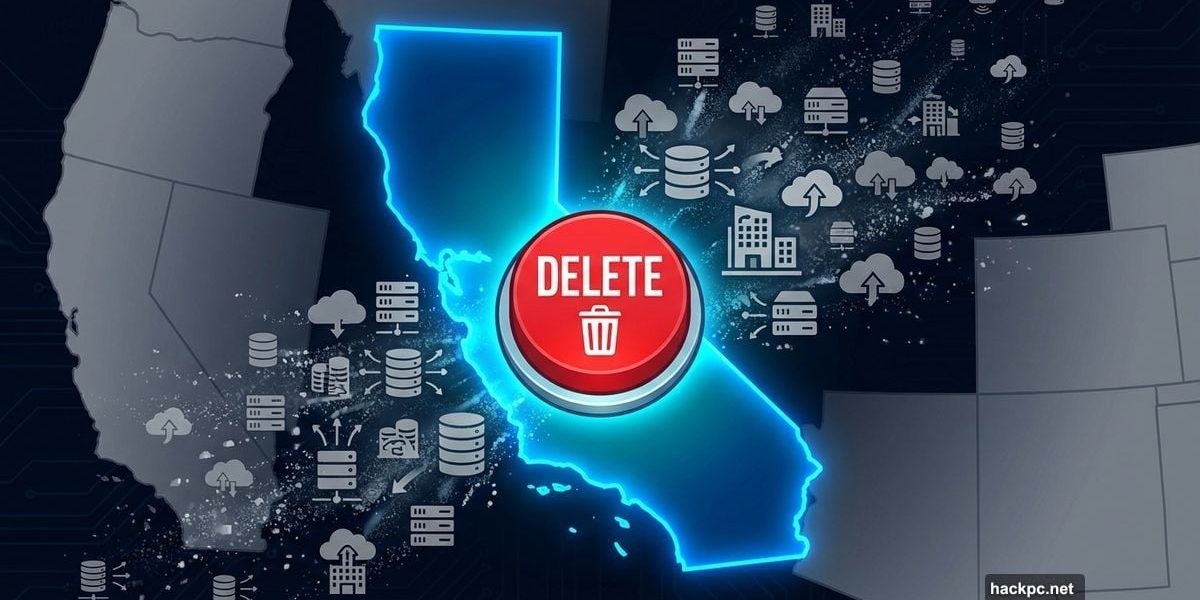
California residents can now wipe their data from 500+ data brokers with one click. That’s huge. But it won’t stop hackers, phishing scams or your internet provider selling your browsing history.
The new DELETE Request and Opt-out Platform (DROP) launched in January 2026. It’s a massive privacy win. Yet it’s just one tool in a much bigger security picture.
Data Brokers Made $278 Billion Selling Your Life
Data brokers operate in the shadows. They collect everything about you without asking permission.
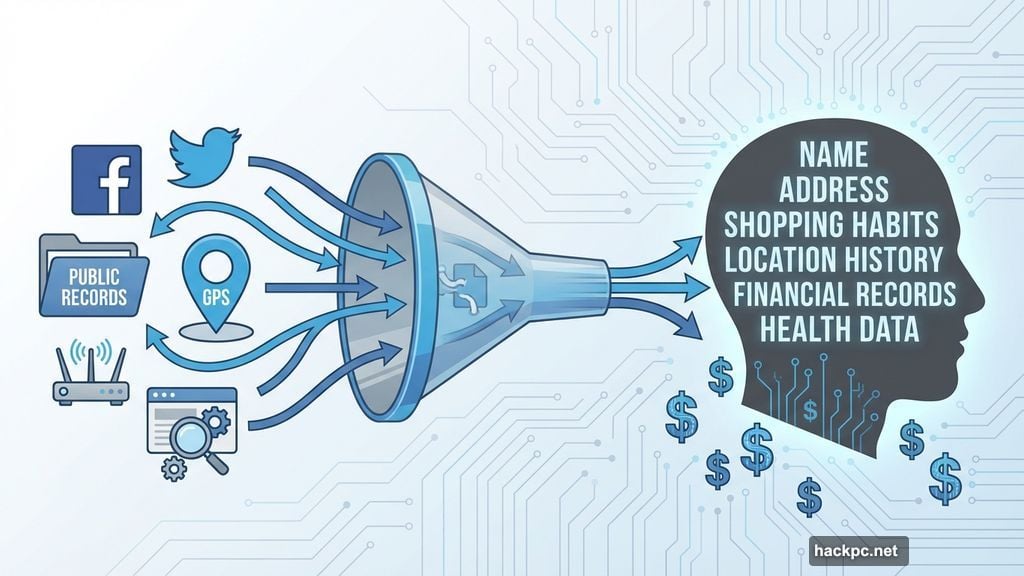
Your name. Your address. Your shopping habits. Your location history. Your financial records. Even your health data. Then they sell it to whoever pays.
This industry pulls in $278 billion annually. Until now, they faced almost zero oversight in the United States. Plus, consumers had to chase down hundreds of brokers individually to delete their data.
That process was exhausting. Most people gave up.
DROP Changes the Game for California Residents
California’s Delete Act of 2023 required the California Privacy Protection Agency to build DROP. The platform went live January 2026.
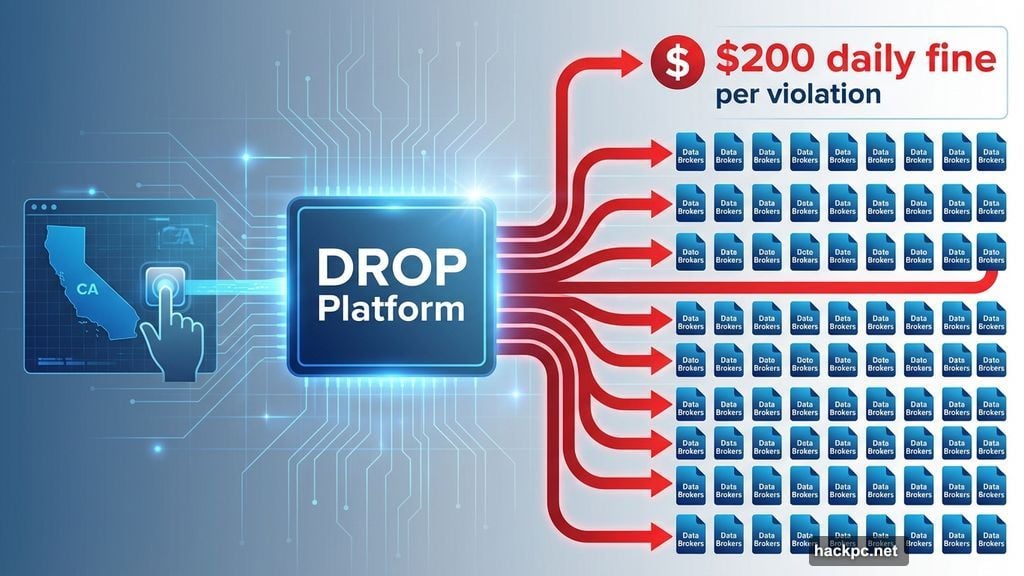
Here’s what it does. You submit one deletion request. DROP automatically sends it to every registered data broker holding your information.
Over 500 data brokers currently participate. They must process requests every 45 days starting August 2026. If they ignore requests, they pay $200 daily per consumer.
California residents can access DROP now. You verify your residency. Create a profile. Submit your request. Then track its status using your unique DROP ID.
The more information you include, the better brokers can match and delete your records. You can add your name, address, email, phone number, date of birth, vehicle ID and more.
Your Data Is Everywhere, Whether You Know It or Not
Data brokers scrape information from dozens of sources. Social media platforms. Public records. Internet providers sharing browsing data. Online trackers. GPS data from apps.
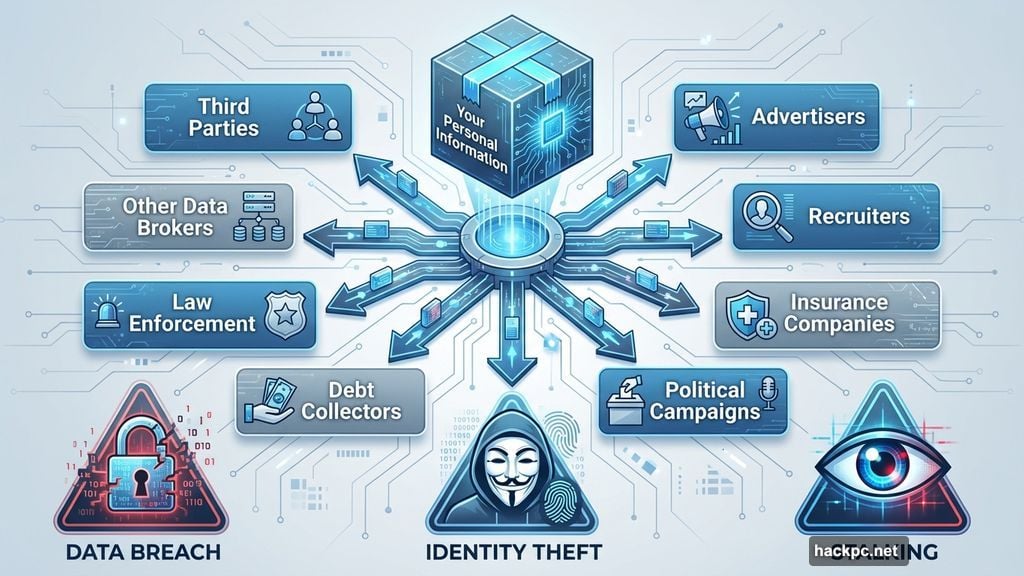
They package it all up. Then sell it to advertisers, recruiters, insurance companies, political campaigns, debt collectors, law enforcement and other data brokers.
That’s thousands of entities accessing your personal information. Each handoff creates another risk of data breach, identity theft or stalking.
Insurance companies use your data to raise premiums. Law enforcement tracks you without warrants. Stalkers find targets. Criminals steal identities.
DROP forces brokers to delete most of this data. But not all of it. Publicly available information stays. So does data you shared directly with companies.
Non-California Residents Are Stuck With Worse Options
DROP only works for California residents right now. Everyone else faces two unappealing choices.
First option: Manually submit deletion requests to hundreds of data brokers individually. That’s time-consuming. Plus, thousands more brokers operate globally.
Second option: Pay for a data removal service. These services file requests on your behalf. But effectiveness varies. Coverage is incomplete. And they cost hundreds of dollars yearly.
You can’t pay once and forget it. Data brokers keep collecting information. So you need ongoing service. Meanwhile, DROP handles everything automatically for California residents at zero cost.
Other states haven’t caught up yet. Federal legislation doesn’t exist. So most Americans remain vulnerable.
VPNs Help, But They’re Not Magic Shields
Virtual private networks block your internet provider from monitoring your browsing. Top VPNs also stop trackers from following you around the web.
A VPN encrypts your internet traffic. It routes your connection through a server in a different location. This hides your online activity from internet providers, network administrators and government surveillance.
Websites register the VPN server’s IP address instead of yours. So they can’t share your real location and IP with data brokers.
However, VPNs can’t stop everything. They don’t prevent Google or Meta from collecting data when you’re signed into their platforms. They can’t stop you from downloading malware or entering information into phishing sites.
Some VPNs include basic malware protection. But that’s surface-level defense at best.
Real Security Requires Multiple Tools Working Together
DROP is excellent. VPNs are essential. But comprehensive protection needs more.
Use a password manager. It creates strong, unique passwords for every account. Some include anti-phishing features like 1Password’s new protection tool.
Install antivirus software. It blocks malware from infecting your computer. That prevents criminals from stealing data stored locally.
Add these privacy tools to your arsenal: secure email providers like Proton Mail, encrypted messaging through Signal, tracker blockers such as Privacy Badger, private browsers like Mullvad, and privacy-focused search engines such as DuckDuckGo.
Each tool reduces your digital footprint. Together, they minimize what data brokers can collect.
Some solutions are free. Others require payment. Several VPN companies bundle privacy and security tools into subscription packages. NordVPN, Surfshark, Proton and ExpressVPN all offer bundled options.
Pick individual tools or buy a bundle. Either way, you need multiple defenses working together.
Data Deletion Isn’t a One-Time Fix
Submit your DROP request today. Data brokers will delete your information. But they’ll start collecting again tomorrow.
New purchases. New website visits. New app downloads. Each creates fresh data trails. Brokers will scoop up that information and sell it again.
That’s why DROP processes requests every 45 days. It’s an ongoing battle. Not a single victory.
The same applies to VPNs, password managers and antivirus software. You don’t install them once and forget about them. You need continuous protection running constantly.
Think of digital privacy like physical health. You don’t exercise once and stay fit forever. You build habits. You maintain routines. You stay vigilant.
DROP Matters Because Control Matters
Data brokers profit by exploiting your information. You get nothing. They get billions.
DROP flips that equation. It gives California residents real power over their data. That’s rare. Most privacy regulations lack enforcement teeth.
This law includes actual penalties. Real audits. Mandatory compliance. Data brokers must register annually, pay fees, and face consequences for violations.
Still, DROP alone won’t protect you from every digital threat. Hackers don’t need data brokers to launch attacks. Phishing scams work regardless of who sells your data.
So use DROP if you’re in California. Enable your VPN. Install security software. Create strong passwords. Check privacy settings across all platforms.
Your data is valuable. Companies know that. Criminals know that. Now you need to act like you know it too


Comments (0)