
Good Old Games just confirmed what Linux gamers have wanted for years. Native support is finally happening.
The company posted a job listing last month for a senior software engineer to port GOG Galaxy to Linux. Now CEO Michał Kiciński confirmed in a Reddit AMA that development work has already started. No release date yet. But the wheels are turning.
This matters more than you might think. Linux gaming isn’t a niche hobby anymore. It’s becoming a legitimate alternative to Windows, especially as Microsoft keeps stuffing their OS with unwanted AI features nobody requested.
Why GOG Waited This Long
GOG has always been the DRM-free champion. Their entire philosophy centers on game ownership and preservation. Yet they’ve ignored Linux users for years while Steam dominated the market.
That’s changing now. Kiciński called Linux the “next major frontier” in gaming. Plus, he admitted to being “a big fan of Linux” personally. Better late than never, I suppose.
The timing makes sense. Valve proved Linux gaming works with Steam Deck. Proton compatibility layers run Windows games shockingly well on Linux. So demand exists. GOG would be foolish to keep ignoring that market share.
What This Means for Linux Gamers
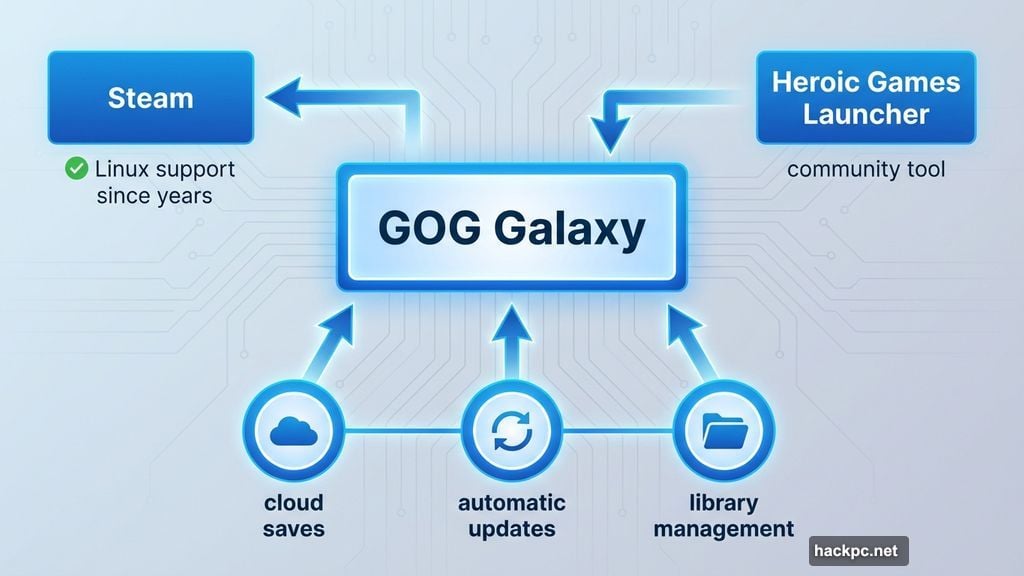
GOG Galaxy handles game library management, automatic updates, and cloud saves. Steam has offered these features on Linux for years. Now GOG users will finally get the same treatment.
Currently, Linux users access GOG games through community-made tools like Heroic Games Launcher. These work fine. But native Galaxy support means better integration, official support, and no workarounds.
The company hasn’t shared technical details yet. We don’t know which distros they’ll target first. Ubuntu seems obvious given its popularity. But SteamOS compatibility would be smart too.
Linux Gaming Is Growing Up
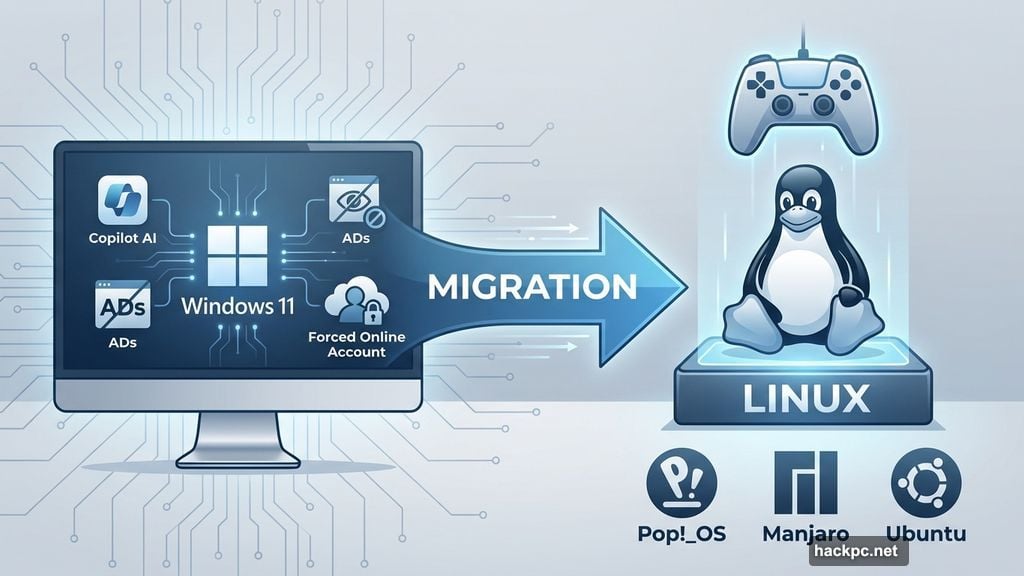
Microsoft keeps shooting itself in the foot. Windows 11 forces online accounts. Copilot AI nags constantly. Ads appear in the Start menu. Each update makes Windows feel less like a tool and more like a advertising platform.
Meanwhile, Linux distributions keep getting more user-friendly. Pop!_OS, Manjaro, and others install almost as easily as Windows now. Gaming was the last major barrier. That barrier is crumbling fast.
GOG joining Valve sends a clear message. Linux isn’t just for hobbyists anymore. It’s a viable gaming platform that major distributors can’t ignore.
The Devil’s in the Details
Kiciński emphasized they’re at a “very early stage right now.” Translation: don’t hold your breath for a 2026 release.
GOG still needs to hire that senior engineer. Then development, testing, and debugging take time. Best case? Late 2026 or early 2027 seems realistic. Worst case? Much longer.
Plus, we don’t know how feature-complete the Linux version will be at launch. Will it match the Windows client from day one? Or will Linux users get a stripped-down experience initially?
These questions matter. Half-baked Linux support would frustrate users more than no support at all.
What GOG Should Do Next
First, be transparent about development progress. Regular updates would keep the community engaged and patient. Radio silence breeds frustration.
Second, involve Linux users in beta testing early. The Linux gaming community is passionate and helpful. They’ll find bugs and provide feedback gladly. Don’t wait until the final release to discover major issues.
Third, prioritize feature parity with Windows. Linux users shouldn’t settle for a second-class experience. GOG Galaxy needs to work just as well regardless of operating system.
Windows Users Should Pay Attention Too
This isn’t just good news for Linux gamers. Competition benefits everyone.
When major distributors support multiple platforms, Microsoft loses leverage. They can’t force changes users hate without risking migration to alternatives. That pressure might actually make Windows better.
Plus, having options matters. If Windows becomes unbearable, knowing you can switch to Linux without losing your game library makes that decision easier.
GOG’s Linux support represents more than just another platform. It signals that PC gaming no longer means Windows gaming exclusively. That’s progress worth celebrating.
The work has started. Now we wait to see how GOG executes. Linux gamers have waited this long. A bit more patience won’t hurt. But GOG better deliver something worth the wait.


Comments (0)