
Adobe just agreed to pay up — and the price tag is steep.
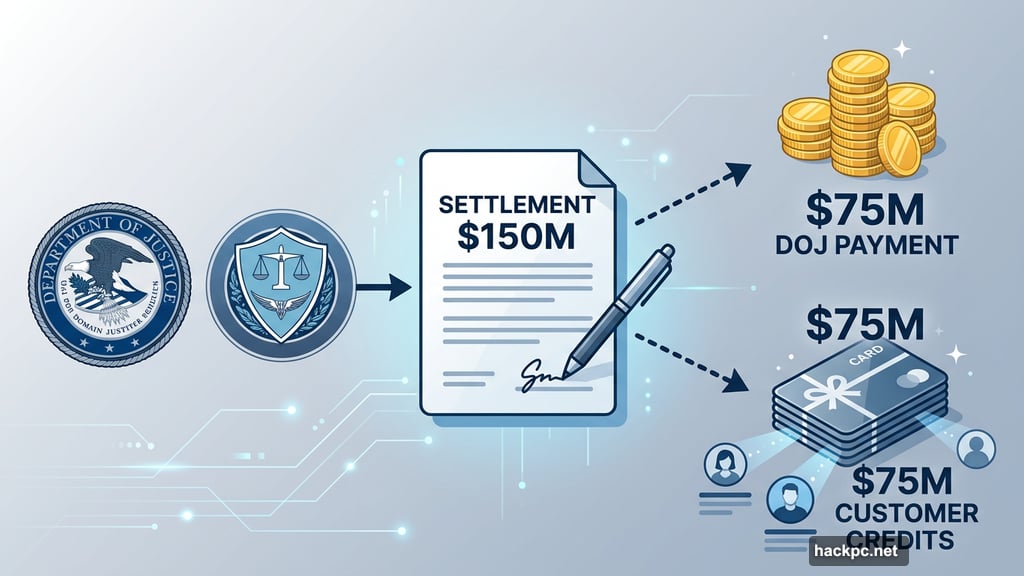
The creative software giant reached a settlement with the US Department of Justice over a 2024 lawsuit that accused Adobe of making subscription cancellations deliberately difficult. The deal includes $75 million in cash paid to the DOJ, plus another $75 million worth of free services for affected customers.
Hidden Fees and Dropped Calls That Sparked a Federal Case
The Department of Justice didn’t launch this case on its own. It came after the Federal Trade Commission flagged Adobe’s subscription practices as deeply problematic.
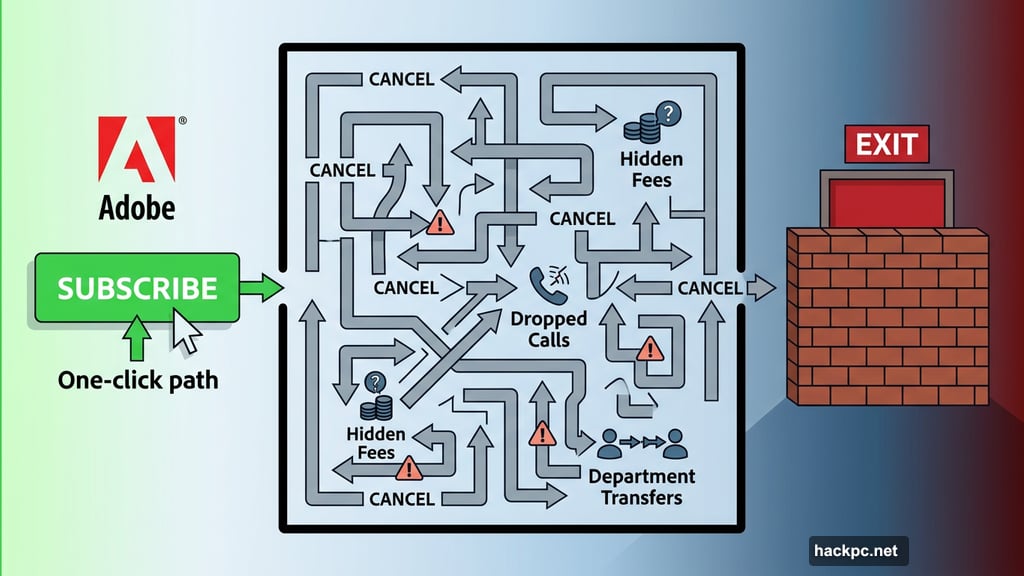
The DOJ’s filing painted a pretty damning picture. Adobe allegedly enrolled customers in its most expensive default subscription plans without clearly explaining the terms upfront. Then, when customers tried to cancel, they ran into a maze of obstacles. Hidden cancellation fees. Phone calls that got dropped. Endless transfers between departments.
So the DOJ stepped in. And consumers had a strong case — because what Adobe allegedly did wasn’t just annoying. It violated consumer protection laws.
What the Settlement Actually Means for Customers
Adobe agreed to the $150 million total settlement, split between a direct DOJ payment and customer credits. However, Adobe hasn’t released specific details yet on how customers will actually receive those free services.
The company says it will “proactively” reach out to affected customers once the legal filings wrap up. In its public statement, Adobe added: “While we disagree with the government’s claims and deny any wrongdoing, we are pleased to resolve this matter.”
That last part is worth noting. Adobe isn’t admitting it did anything wrong. But the company is still writing a very large check to make this go away.
Subscription Cancellation Practices Face Federal Scrutiny
This case is part of a broader crackdown on what regulators call “dark patterns” — design choices that make it easy to sign up for something but painfully hard to leave. Adobe’s alleged tactics fit that pattern almost perfectly.
The FTC has been increasingly aggressive about these practices across the tech industry. For instance, streaming platforms, gym memberships, and software subscriptions have all faced pressure to simplify their cancellation flows. Adobe’s settlement sends a clear signal that federal agencies are watching closely and willing to push back hard.
Big Leadership Changes Happening at the Same Time
The settlement news landed just one day after a separate major announcement. Adobe CEO Shantanu Narayen confirmed he’s stepping down after 18 years leading the company, once the board identifies a successor. Narayen will stay on Adobe’s board during the transition.
Adobe’s stock briefly dropped on the leadership news, even though the company posted better-than-expected Q1 results the same day. So it’s a complicated moment for the company — strong financials, leadership uncertainty, and a federal settlement all hitting at once.
Adobe’s AI Push Continues Alongside the Legal Drama
Meanwhile, Adobe has been aggressively expanding its generative AI tools across Photoshop, Lightroom, and its other editing programs. Its in-house AI suite, called Adobe Firefly, now covers image, video, and audio generation.
But that expansion comes with its own controversies. Many artists, designers, and illustrators have serious concerns about how Adobe trained its AI models, whether those practices are ethical, and what AI-generated content means for creative professionals’ livelihoods.
So Adobe finds itself managing multiple battles simultaneously — a federal settlement over subscription practices, a CEO transition, and ongoing skepticism from the creative community it serves.
The $150 million settlement is a significant number. But the bigger question is whether Adobe’s consumer practices actually change as a result. If the company follows through on transparent subscription terms and easy cancellations, customers win in a real, lasting way. If this is just a check written to close a case, the underlying problems remain.
Watch for Adobe’s outreach to affected customers over the coming weeks. That’s where we’ll see whether this settlement has real teeth.



Comments (0)