
Planning a big trip but dreading that massive charge hitting your credit card before you even pack a bag? Airbnb heard you. The company just rolled out its “Reserve Now, Pay Later” feature to travelers worldwide, making it possible to lock in your dream vacation rental without spending a single dollar at checkout.
This is genuinely good news for anyone who has ever hesitated to commit to a booking months in advance. Life happens. Plans change. And now, if they do, you won’t be stuck fighting for a refund.
How the Pay-Later Booking Feature Works
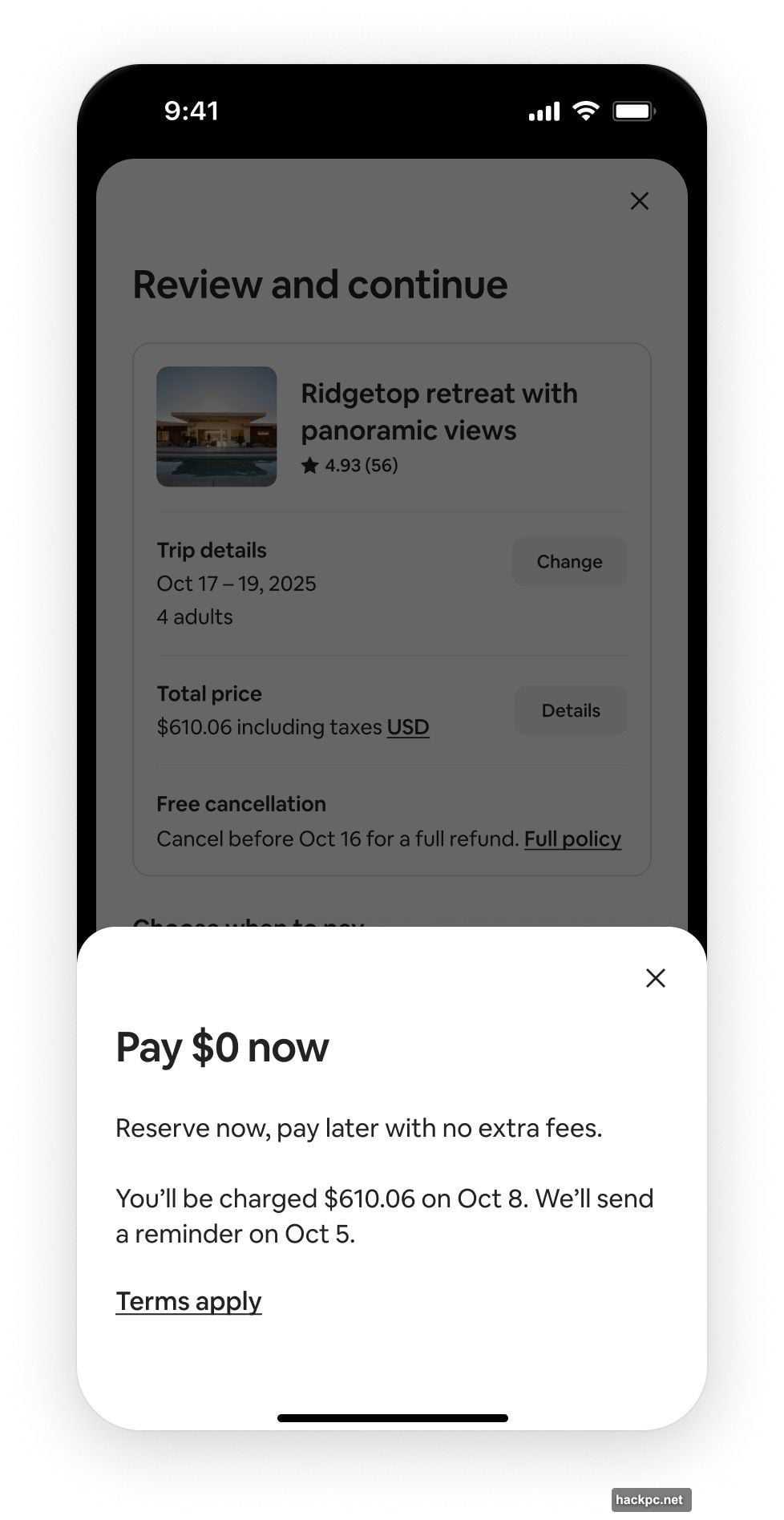
The concept is pretty simple. Instead of getting charged when you hit “confirm booking,” Airbnb collects payment closer to your actual check-in date. Think of it as a reservation hold rather than a full purchase.
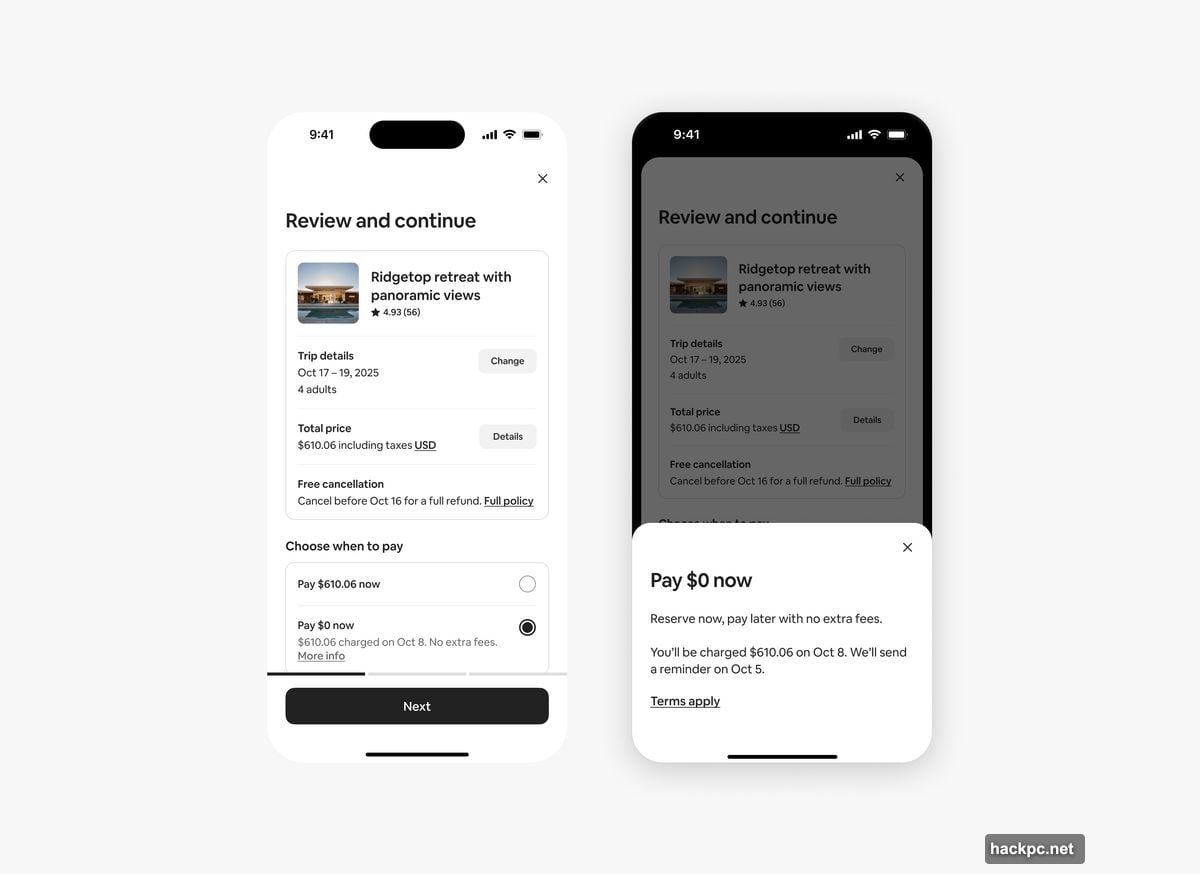
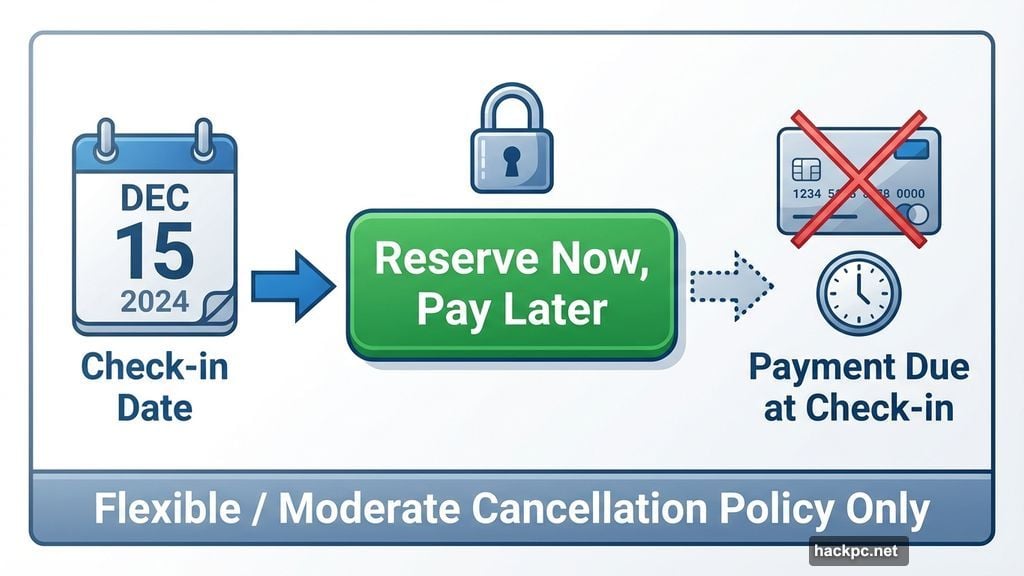
There is one important catch, though. The feature only works on properties with a “flexible” or “moderate” cancellation policy. So not every listing qualifies. But for those that do, you get the peace of mind of a secured booking without the immediate financial hit.
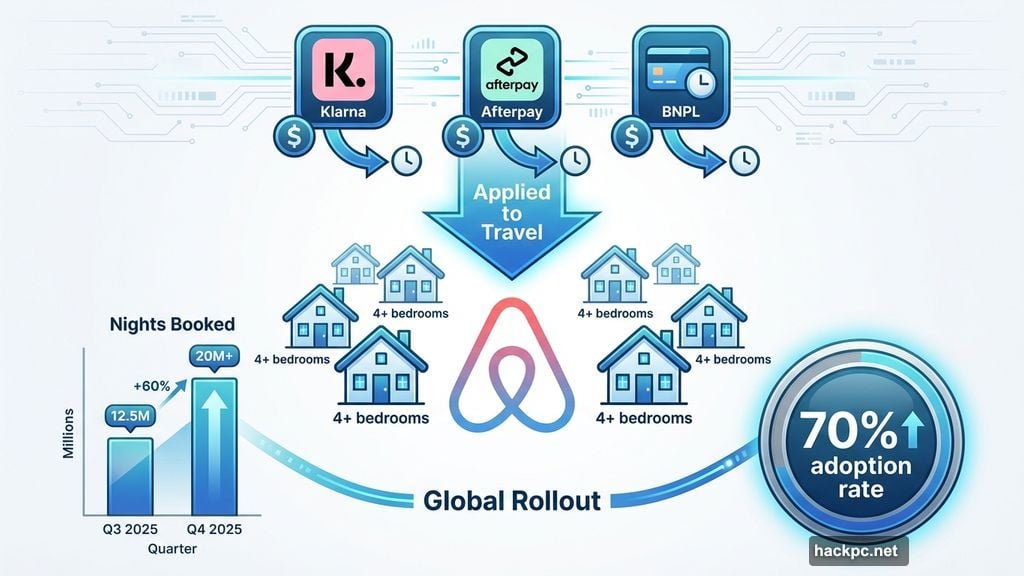
The setup mirrors the buy now, pay later (BNPL) model that has become hugely popular in online shopping. Platforms like Klarna and Afterpay made consumers comfortable with delayed payments for everyday purchases. Airbnb is applying that same logic to travel, where the stakes and dollar amounts tend to be much higher.
Travelers Are Already Using It
Airbnb did not launch this globally on a hunch. The company first tested “Reserve Now, Pay Later” in the United States for domestic travel last year. The results were hard to ignore.
Since that initial rollout, the feature hit a 70% adoption rate among eligible bookings. That is an enormous number. It tells you that when travelers have the option to pay later, the overwhelming majority of them take it.
And the impact went beyond just more bookings. During Airbnb’s Q4 2025 earnings call, CFO Ellie Mertz said the feature helped grow total nights booked during the quarter. Plus, it shifted behavior in interesting ways. Guests started booking further in advance and gravitating toward larger properties, particularly entire homes with four or more bedrooms. That shift contributed to a rise in Airbnb’s average daily rate.
What About Cancellations?
Here is where things get a little more nuanced. Mertz acknowledged during the earnings call that Airbnb’s overall cancellation rate ticked up slightly, moving from 16% to 17% in Q4. Customers using the pay-later option cancelled at a higher rate than average.
That makes intuitive sense. When there is no money on the line yet, cancelling feels lower-stakes. However, Mertz was quick to put this in context, describing it as “not hugely material relative to the broader cancellations on the platform.”
So yes, some hosts may see slightly more last-minute cancellations. But Airbnb does not seem worried about it becoming a serious problem at scale.
This Fits What Travelers Actually Want
Airbnb backed up its global expansion with some solid research. Last year, the company surveyed U.S. travelers alongside Focaldata, a London-based market research firm. The findings were telling. About 60% of respondents said flexible payment options are important when booking a holiday, and 55% said they would actually use one.
Those are not marginal numbers. They point to a real, widespread demand that Airbnb is now addressing head-on.
Airbnb Has Been Testing This Idea for Years
What makes this launch feel especially well-considered is the history behind it. Airbnb has been experimenting with pay-later concepts since 2018, when the company let users secure a property by paying just 20% or 50% upfront. Then in 2023, they partnered with fintech company Klarna to offer four installment payments spread over six weeks.
Each version taught them something. The global rollout of “Reserve Now, Pay Later” feels like the cleaner, more streamlined result of all that experimentation. No installment plans to track. No fintech partner in the middle. Just book now and pay when your trip actually gets close.
For frequent travelers or anyone planning a big family getaway, this is a meaningful change. It removes one of the biggest psychological barriers to committing to a booking early. You can grab that perfect four-bedroom beach house for next summer without emptying your account today, and still back out cleanly if life throws a curveball before you go.




Comments (0)