

Airbnb just confirmed it’s testing AI-powered search. The catch? Only a “small percentage” of users can access it right now.
CEO Brian Chesky dropped this news during the company’s fourth-quarter earnings call. The goal sounds ambitious: build an “AI-native experience” that helps guests book trips, assists hosts with listings, and streamlines company operations. But the rollout? That’s moving at a crawl.
What This AI Search Actually Does
The new tool lets guests describe trips in natural language instead of fighting with traditional search filters.
Think of it this way. Instead of selecting dates, locations, and amenities from dropdown menus, you could type something like “beach house for four people with a pool, dog-friendly, near restaurants.” The AI interprets your request and surfaces relevant listings.
Plus, guests can ask questions about specific properties and locations. That means fewer back-and-forth messages with hosts just to clarify basic details like parking availability or walking distance to attractions.
According to Airbnb’s shareholder letter, the company is testing this “more natural way” for guests to search. However, they didn’t commit to any public launch date. So if you’re not in the lucky test group, you’re stuck with the old interface for now.
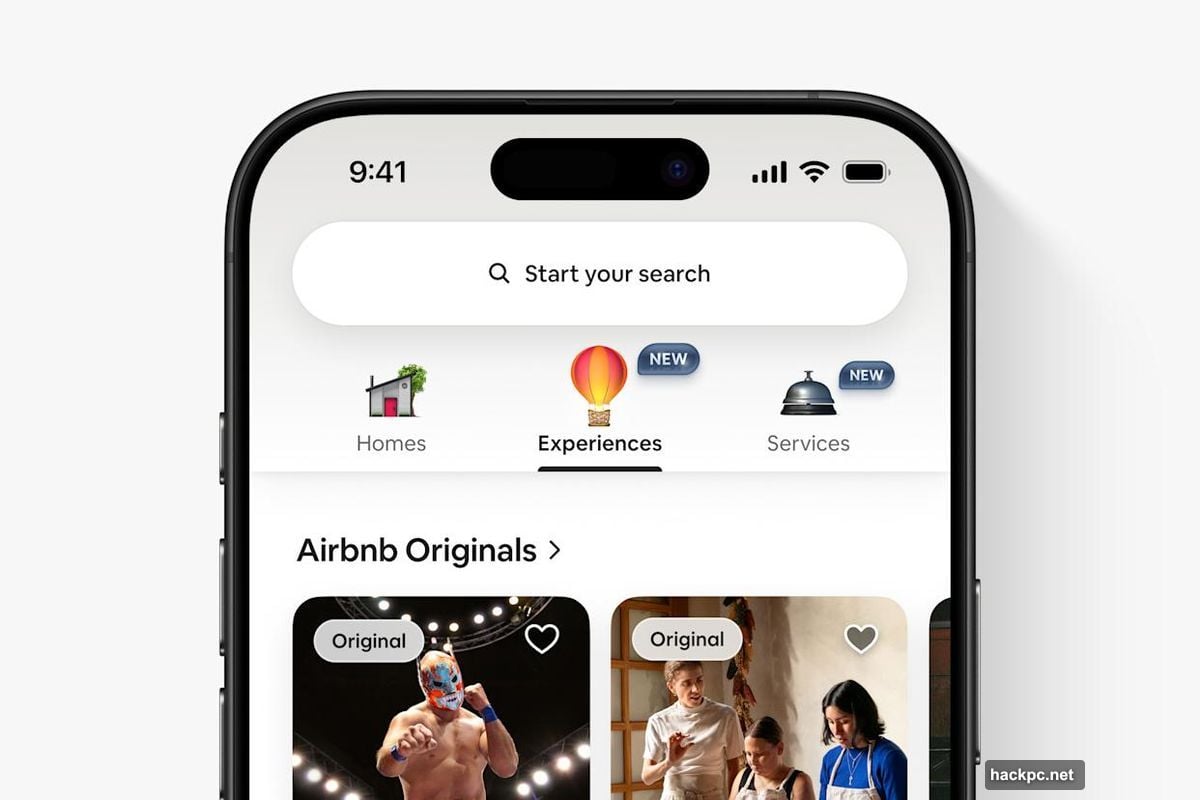
The Bigger AI Picture at Airbnb
This search tool isn’t Airbnb’s first AI experiment. The company launched an AI chatbot for customer service last year.
That chatbot currently operates only in North America. But it’s already handling a third of customer requests without human intervention, according to TechCrunch. Chesky said it will tackle “significantly more” tickets within a year and eventually roll out globally.
So Airbnb is building AI infrastructure across multiple fronts. Customer service first. Search next. Then presumably booking, hosting tools, and other features down the line.
The strategy makes sense. Natural language processing works well for both customer questions and travel search. Both involve understanding messy human requests and delivering relevant answers.
Why the Slow Rollout?
Airbnb may seem late to the AI game compared to tech giants. But there’s probably a good reason for the cautious approach.

Travel booking involves real money and real trips. A search algorithm that surfaces wrong results doesn’t just annoy users—it costs them vacation days and booking fees. So Airbnb needs to get this right before pushing it to millions of users.
Moreover, AI search for travel requires understanding context that goes beyond keywords. “Romantic getaway” means something different than “family reunion spot” even if both searches mention similar amenities. The AI needs to grasp subtle intent differences.
Testing with a small group lets Airbnb catch problems before they scale. Better to frustrate a few thousand beta users than ruin bookings for millions.
What Comes Next
Chesky’s shareholder letter mentioned extending this AI experience “through the trip.” That suggests features beyond initial search.
Imagine AI-powered recommendations during your stay. Real-time suggestions for restaurants based on your preferences and location. Automated check-in instructions tailored to your arrival time. Dynamic pricing suggestions for hosts based on local events and demand patterns.
The possibilities multiply once AI understands not just your search intent but your entire trip context. However, Airbnb hasn’t detailed these future features yet.
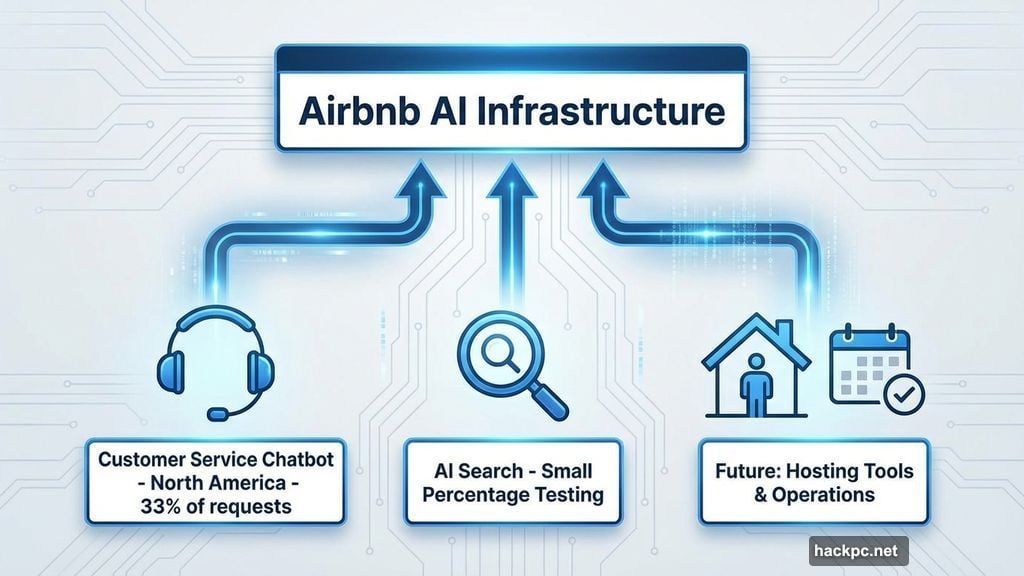
For now, most users are stuck waiting. The AI search remains in limited testing. No public beta. No opt-in option. Just luck of the draw.
The Real Test: Will It Actually Work?
AI search sounds great in theory. But travel booking has specific challenges that trip up even sophisticated algorithms.
Users often don’t know exactly what they want. They’re exploring options, comparing locations, and adjusting budgets on the fly. Traditional filters let them refine searches incrementally. Natural language interfaces need to handle vague, evolving requests without frustrating users.
Plus, Airbnb’s search results need to balance multiple factors: price, location, amenities, host ratings, and availability. An AI that surfaces a perfect listing that’s booked for your dates helps nobody.
So Airbnb’s test will reveal whether AI can actually improve the booking experience or just add conversational flair to the same old search results. The company’s cautious rollout suggests they’re not certain yet either.
We’ll know more once they expand beyond this initial test group. Until then, most of us are clicking through filter checkboxes like it’s 2015.




Comments (0)