
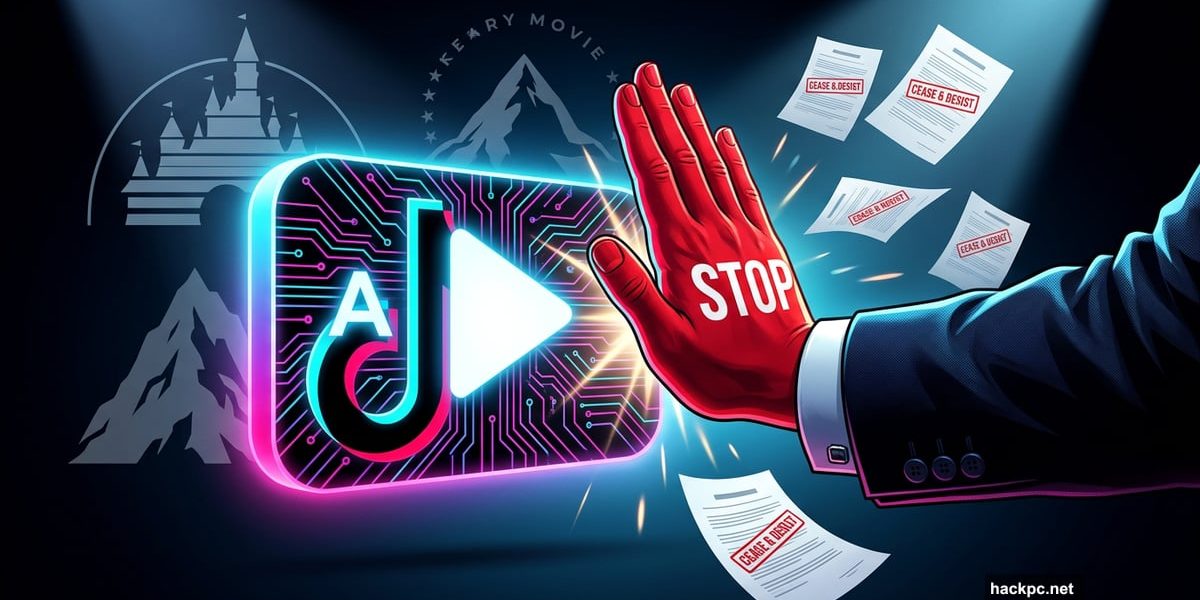
ByteDance just blinked. One month after releasing its AI video generator in China, the TikTok parent company has quietly hit pause on rolling out Seedance 2.0 to the rest of the world.
The news comes from The Information, which cited two anonymous sources familiar with the situation. And honestly, the timing makes complete sense once you understand what happened in the weeks after launch.
Hollywood Sent Cease-and-Desist Letters Fast
Seedance 2.0 barely had time to settle before Disney and Paramount Skydance came knocking with legal threats. The studios moved quickly after a flood of user-generated content raised serious red flags about the tool’s training data.
The spark? A viral AI-generated clip showing Brad Pitt and Tom Cruise in a fight scene. That video spread fast, and with it came uncomfortable questions. Specifically, did ByteDance train this model on copyrighted films and footage without permission?
For Hollywood, that question wasn’t hypothetical. Disney and Paramount decided not to wait for answers. They sent cease-and-desist letters instead.
ByteDance’s Response Was Vague at Best
Back in February, ByteDance told the BBC it was “taking steps to strengthen current safeguards” to prevent unauthorized use of intellectual property and likeness. That’s a carefully worded statement that doesn’t actually confirm or deny anything about how the model was trained.
So the studios pushed back. Now the global release is on hold.
It’s worth noting that ByteDance still hasn’t commented on the suspended rollout. Engadget reached out for a response but hasn’t heard back. That silence is notable, even if not surprising.
AI Video Tools Keep Running Into Copyright Walls
This situation isn’t unique to ByteDance. The broader AI video generation space has been colliding with intellectual property law for a while now. Companies like Sora, Runway, and Pika Labs all face similar scrutiny over what went into their training datasets.
But Seedance 2.0 ran into trouble faster than most. The Brad Pitt and Tom Cruise clip went viral almost immediately after launch, which made the copyright concerns impossible to ignore publicly. Most AI tools accumulate legal risk quietly. Seedance 2.0 basically announced it with a celebrity fight video.
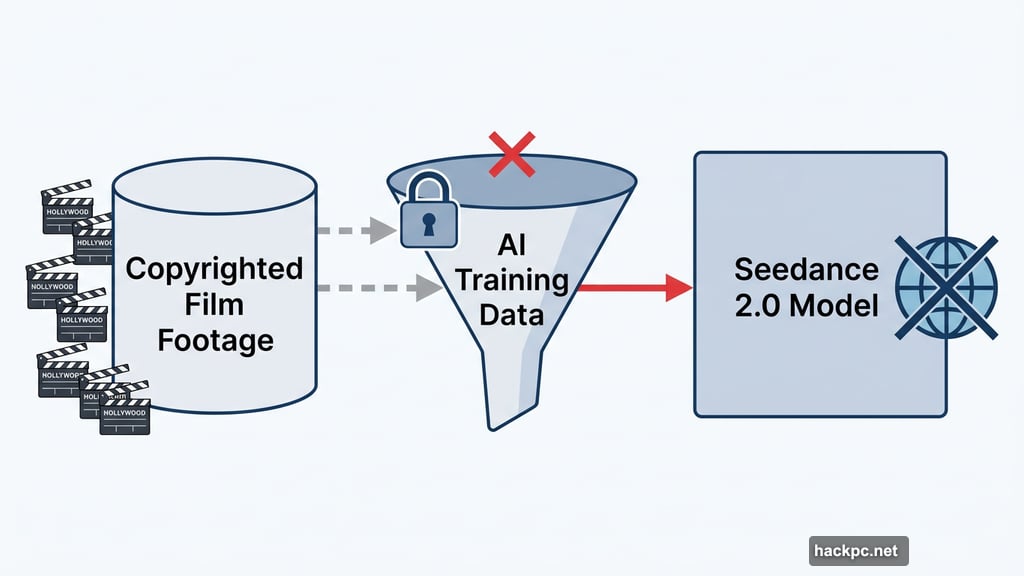
The core tension here is real and unresolved. AI video models need massive amounts of visual data to learn from. High-quality cinematic footage, the kind that produces convincing results, largely belongs to studios. And those studios are not interested in watching their assets train a competitor’s product without compensation or consent.
What This Means for Global Users
If you were hoping to try Seedance 2.0 outside of China, it’s unclear when that becomes possible. ByteDance hasn’t shared a revised timeline. The pause could be short while they patch safeguards, or it could stretch much longer if the legal situation escalates.
The more interesting question is whether ByteDance can actually fix the underlying problem. Strengthening “current safeguards” against user misuse is one thing. Addressing how the model itself was trained is a much harder conversation to have, especially with two major studios already circling with lawyers.
Engadget is continuing to follow this story, and will update when ByteDance responds or shares new information about the rollout timeline.



Comments (0)