
ByteDance dropped a new AI video tool. Early testers can’t stop talking about it.
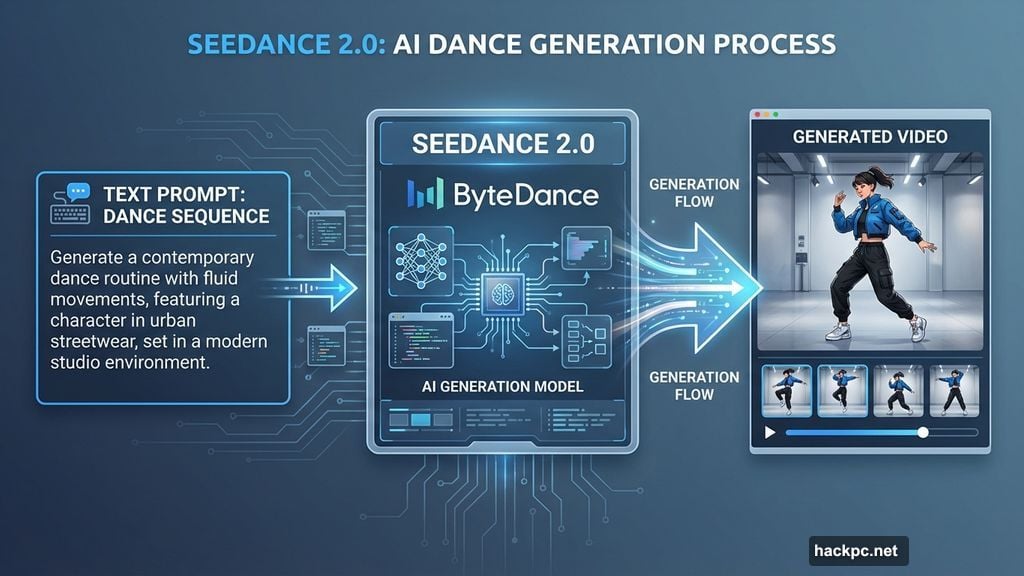
Seedance 2.0 launched in beta last week, and the demos flooding social media look genuinely impressive. We’re talking realistic dance sequences, martial arts fights, and even complete short films generated from text prompts. Plus, it’s matching or exceeding what OpenAI’s Sora 2 can do.
But there’s a catch. Nobody knows when regular users can access it or if it’ll even work in the US.
What Makes Seedance 2.0 Different
ByteDance built Seedance 2.0 to solve problems that plague other AI video generators. Most tools struggle with consistency. Characters change appearance mid-scene. Text looks wonky. Objects morph into different things.
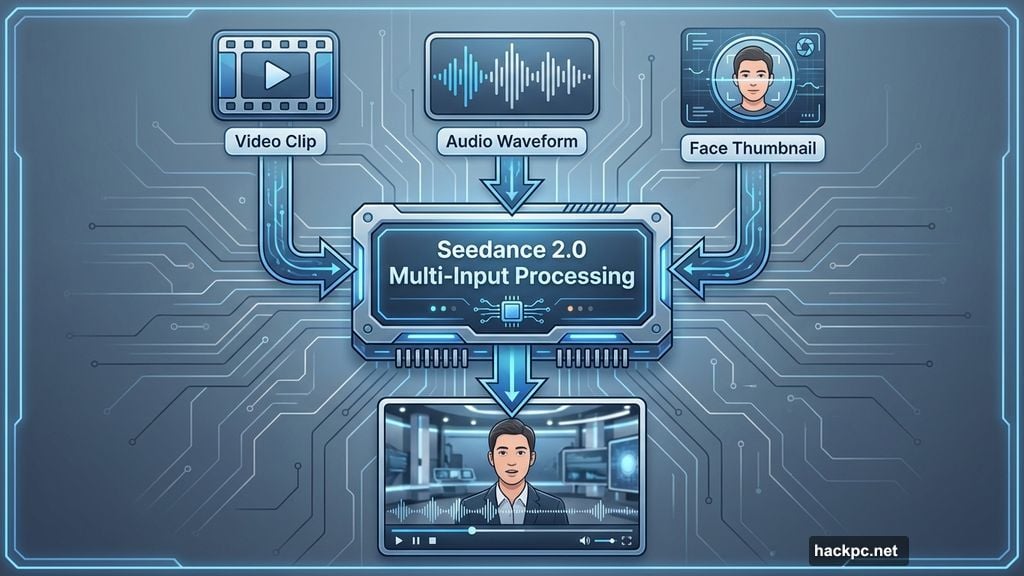
Seedance 2.0 tackles these issues head-on. It maintains consistent character features throughout clips. Fonts and text display correctly. The system can even generate videos from a single thumbnail of someone’s face.
Moreover, it handles multiple input types simultaneously. You can feed it video clips, audio files, and images all at once. The AI stitches everything together into cohesive footage. That flexibility sets it apart from competitors that typically handle one input type at a time.
The technical specs matter less than the results. Early users posted examples showing explosive battle scenes, realistic dance performances, and action sequences that look startlingly polished. These aren’t perfect Hollywood productions. But they’re miles ahead of the distorted, dreamlike clips most AI tools produce.
ByteDance Joins China’s AI Video Race
This launch comes exactly one week after Kuaishou released Kling 3.0. China’s tech companies are aggressively pushing into AI video generation.
Remember DeepSeek? That Chinese chatbot stunned the AI industry almost exactly one year ago with its R1 model. Now the same competitive energy is hitting video tools. ByteDance clearly wants to dominate this space before Western competitors lock it down.
The timing makes sense. AI video generation is exploding right now. Creators want these tools. Businesses need them for marketing. Entertainment companies are experimenting with AI-generated content. Whoever builds the best platform first captures massive market share.
However, ByteDance faces serious obstacles. The company had to give up most of its TikTok ownership due to US security and privacy concerns. That same scrutiny will likely apply to Seedance 2.0. Don’t expect easy US availability anytime soon.
Legal Issues Cloud the AI Video Space
AI video tools are popular. They’re also legally messy.
Disney and other major companies sued Midjourney last year over copyright violations. The core issue? These AI systems train on existing content without permission. That creates murky legal territory around ownership and fair use.
Kuaishou recently got fined by Chinese regulators for failing to block pornography on its AI platforms. As these tools become more powerful, content moderation gets harder. Governments worldwide are watching closely.
Even ByteDance’s parent company faces scrutiny. Ziff Davis, which owns CNET, filed a lawsuit against OpenAI in 2025 for copyright infringement. The legal landscape around AI-generated content remains unsettled. That uncertainty affects every company in this space.
Where You Might Actually Use It
Seedance 2.0 will integrate into ByteDance’s existing creator tools. The company’s Dreamina software suite and CapCut video editor will both support it.
Other platforms are jumping on board too. TopView AI and Atlas Cloud both announced plans to incorporate Seedance 2.0. Atlas Cloud’s website says the feature arrives later this month. That suggests ByteDance is licensing the technology to third-party services.
For creators, this means more options. You won’t need direct ByteDance access to use Seedance 2.0. Third-party integrations could make it available even if ByteDance faces US restrictions.
Still, beta access remains limited. ByteDance hasn’t announced general availability dates. The company didn’t respond to requests for comment about US launch plans or broader rollout timelines.
The Competition Isn’t Standing Still
OpenAI’s Sora 2 already generates impressive video. Google has its own video tools in development. Meta experiments with AI video features for Instagram and Facebook. Western tech giants won’t cede this market easily.
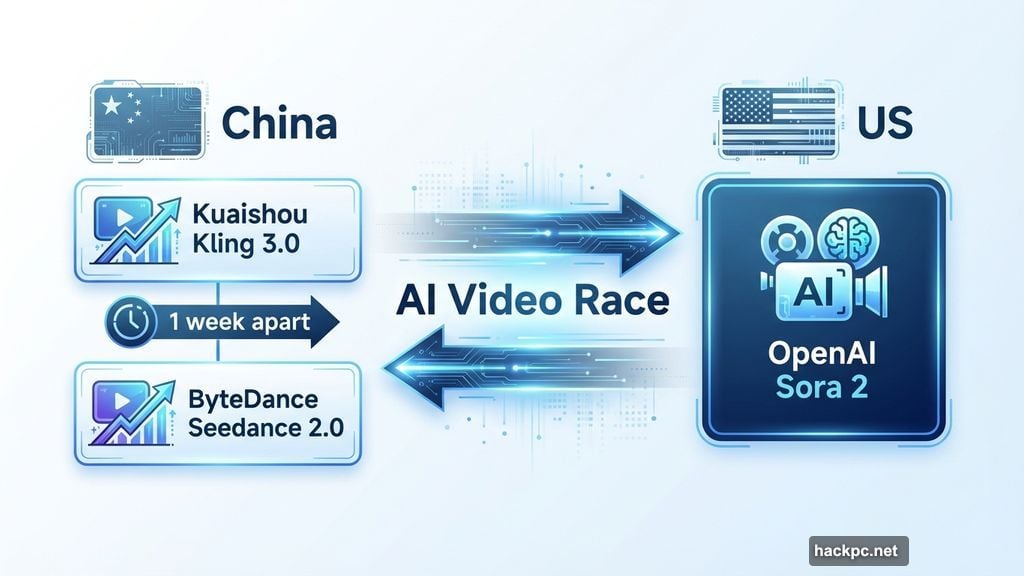
What separates Seedance 2.0 is execution. Chinese AI companies are moving faster than their Western counterparts right now. They’re shipping products while US companies navigate regulatory hurdles and internal debates about safety.
That speed advantage won’t last forever. But it gives ByteDance a window to establish Seedance 2.0 as the standard. If creators adopt it widely during beta, switching costs make it harder for competitors to catch up later.
The real question is whether ByteDance can navigate geopolitical tensions. TikTok’s forced sale proved that US regulators will act aggressively against Chinese tech companies. Seedance 2.0 faces the same political headwinds.
What This Means for Creators
AI video generation is getting really good really fast. Tools that seemed impossible two years ago now produce usable footage.
For independent creators, this democratizes video production. You don’t need expensive cameras or editing skills anymore. Type a prompt, wait a few minutes, and you’ve got footage. That changes who can make professional-looking content.
But it also floods the market with AI-generated material. Standing out becomes harder when everyone has access to the same powerful tools. Quality matters more than ever. So does originality.
The ethical questions remain unresolved. Should AI-generated content require disclosure? Who owns the rights to AI-created videos? How do we prevent malicious uses like deepfakes?
ByteDance hasn’t addressed these concerns publicly yet. Neither have most competitors. The industry is moving faster than the conversations around responsible use.


Comments (0)