
Meta just admitted something huge. The metaverse doesn’t matter anymore. Facebook does.
The company rolled out a massive redesign focused on what actually works: connecting friends, sharing photos, and buying stuff on Marketplace. Plus, they’re finally moving features people use into places they can find them.
This isn’t subtle. Meta spent years pushing VR headsets and virtual worlds. Now they’re quietly backing away from that vision and rebuilding Facebook as a social network again.
Marketplace Gets the Promotion It Deserves
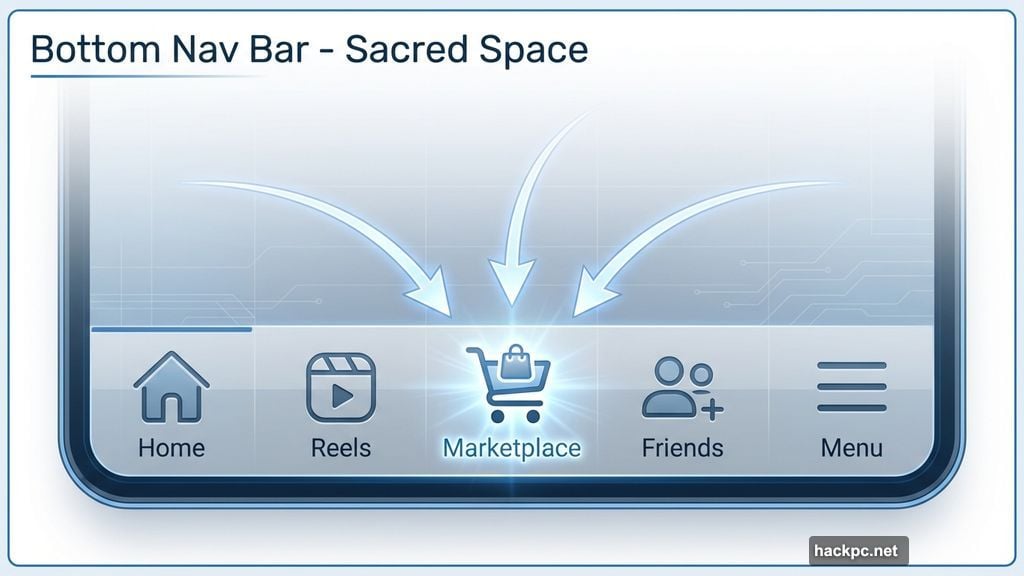
Here’s what changed. Marketplace is moving to Facebook’s bottom navigation bar.
That sounds small. But it’s not. Marketplace has been buried three taps deep in a menu nobody checks. Yet half of Gen Z users in the U.S. use it regularly. One in four young adults check Marketplace daily.
So Meta finally gave it prime real estate. The bottom nav bar is sacred space on mobile apps. Only the most important features live there. Marketplace now sits alongside Reels and Friends.
Why does this matter? Because Facebook Marketplace crushed the competition without trying. Craigslist feels ancient. OfferUp couldn’t compete. LetGo merged with OfferUp and still lost. Meanwhile, Facebook users already trust the platform for transactions. Plus, you can see seller profiles before buying.
Instagram’s Playbook Comes to Facebook
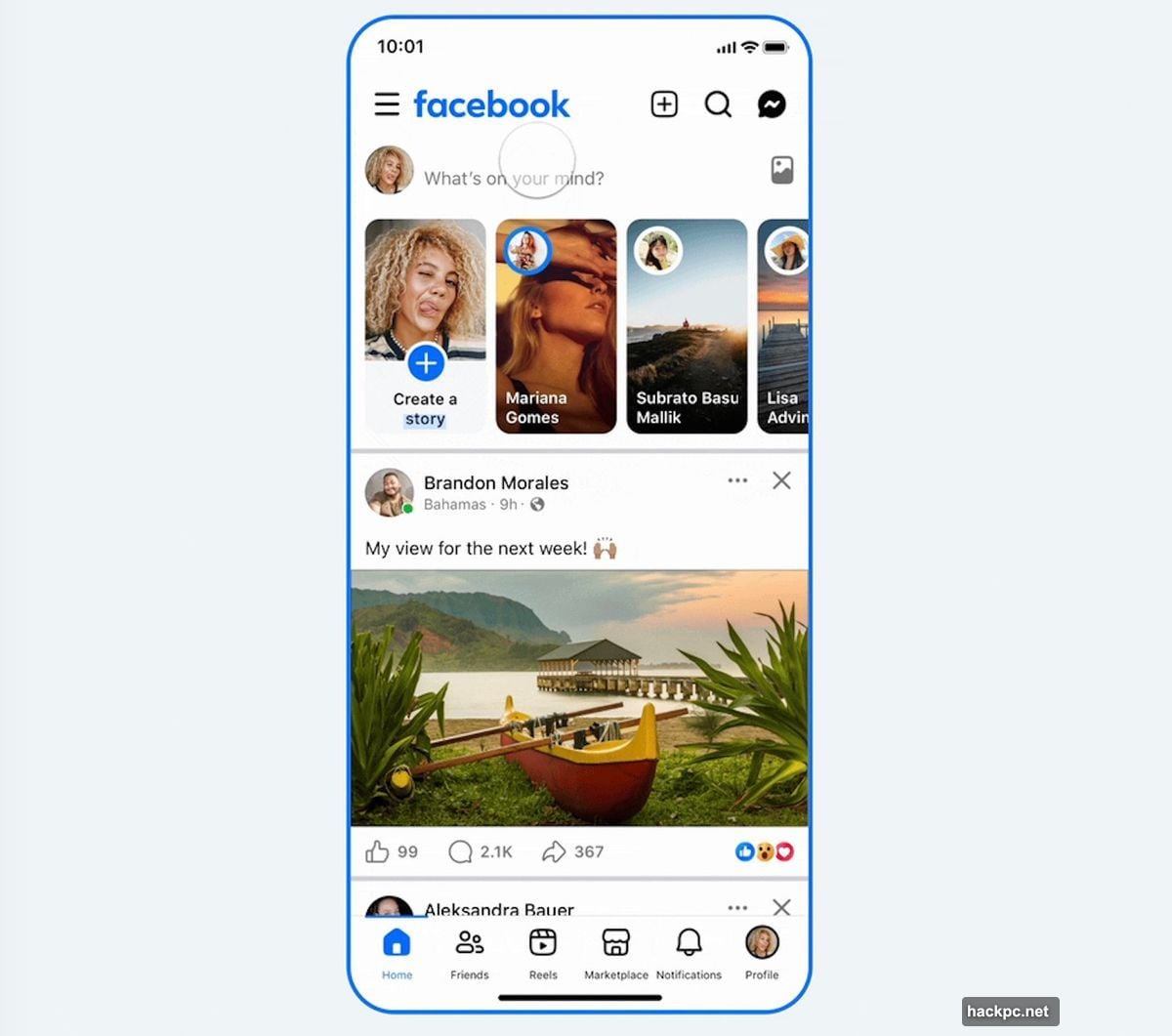
Meta is copying homework. Instagram centered Reels and direct messages because those features dominate usage. Now Facebook gets the same treatment.
Double-tap to like photos? That’s Instagram. Photos arranged in a standardized grid? Instagram again. Full-screen photo viewing? Yep, Instagram.
But here’s the thing. Instagram’s audience skews younger. Facebook’s audience skews older. Boomers and Gen Xers still use Facebook daily. So Meta is betting that Instagram’s successful features will work for an older demographic too.
The redesign also makes Stories easier to create. Music and tagging tools are more visible. Audience settings are more prominent. Cross-posting gets simpler. Meta wants people creating content again, not just scrolling past it.
Search Gets Visual
Search is changing too. The new design includes an immersive grid layout for all content types.
Previously, Facebook search felt clunky. Text-heavy results. Hard to scan. Not optimized for photos or videos. The new grid layout looks more like Pinterest or Instagram Explore.
Plus, Meta is testing a full-screen viewer. You can explore photo and video results without losing your place. That’s important for discovery. Users can dig deeper without getting lost.
Comments Just Got Less Toxic
Facebook is tackling comment sections. Finally.
Replies get streamlined. Badges become more visible. Creators and admins get better moderation tools. Plus, everyone can anonymously flag irrelevant comments and disruptive users.
This matters because Facebook comments are notoriously terrible. News articles attract conspiracies. Group posts get derailed by arguments. Reel comments fill with spam. Better moderation tools could clean things up.
Also, users can now explain why they don’t like a post. That feedback helps personalize the Feed. Instead of just hiding content, you can tell Facebook specifically what bothers you.
Profiles Are Personal Again
Remember when Facebook profiles had interests, hobbies, and favorite books? Meta is bringing that back.
The updated profiles let you share more about yourself. What TV shows you watch. What music you stream. Where you’ve traveled. What hobbies you enjoy.
Sounds risky. Facebook historically used this data for ad targeting. Users got burned by privacy scandals. Many stopped sharing personal details.
But Meta added a twist. If you share that you love baking bread, Facebook connects you with friends who bake. Planning a trip to Tokyo? Facebook surfaces friends who can give tips.
Also, profile updates no longer blast to your Feed automatically. Previously, changing your profile picture triggered a Feed post. Millions of people found that embarrassing. Now you control what gets shared publicly.

The Metaverse Quietly Fades Away
These changes come days after reports of Meta cutting metaverse investments. The timing isn’t coincidental.
Meta bet billions on virtual worlds. Mark Zuckerberg renamed the entire company “Meta” to signal commitment. Reality Labs lost $13.7 billion in 2022 alone.
But nobody cared. VR headsets gather dust. Horizon Worlds feels empty. The metaverse vision never resonated with normal users.
So Meta is pivoting. Facebook still reaches billions globally. Growth is flat in the U.S., sure. But the user base remains massive. Especially among older demographics who have money to spend.
Gen Z Won’t Save Facebook
Meta keeps trying to attract Gen Z. They rebooted Facebook for college students. It failed. They pushed Reels to compete with TikTok. It kind of worked on Instagram, less so on Facebook.
But here’s reality. Gen Z doesn’t want to hang out where their parents and grandparents post. That’s not fixable with redesigns. Instagram is for friends. TikTok is for entertainment. Snapchat is for messaging. Facebook is for Marketplace and stalking old classmates.
Meta should embrace what Facebook does well. Marketplace dominates secondhand sales. Groups connect communities around niche interests. Events coordinate real-world gatherings. These features serve real needs that other platforms don’t address.
The Real Strategy Behind the Redesign
This redesign is about retention, not growth. Meta knows Facebook won’t suddenly become cool again. That’s fine.
Instead, they’re optimizing for existing users. Make Marketplace easier to access. Simplify content creation. Improve comment quality. Help friends connect over shared interests.
If Meta can keep current users engaged longer, that’s billions in ad revenue. Facebook doesn’t need explosive growth. It needs to avoid decline.
Plus, focusing on friends and photos distances Facebook from the news feed controversies. Political content drives engagement but creates problems. Product photos and friend updates feel safer.
Facebook Is Back to Being Facebook
After years of chasing trends, Meta is letting Facebook be what it always was. A place to connect with friends and local community.
No more metaverse distractions. No more trying to be TikTok. Just make the core features better and more accessible.
Will it work? Maybe. Facebook isn’t dying despite predictions. Billions of people still use it daily. If Meta stops fighting what Facebook is and leans into its strengths, the platform might stabilize.
Either way, these changes signal a major shift. The metaverse era at Meta is ending. The social network era is back.




Comments (0)