
Google just gave its AI music tool a serious upgrade. And depending on who you ask, that’s either exciting news or a sign of the apocalypse for the music industry.
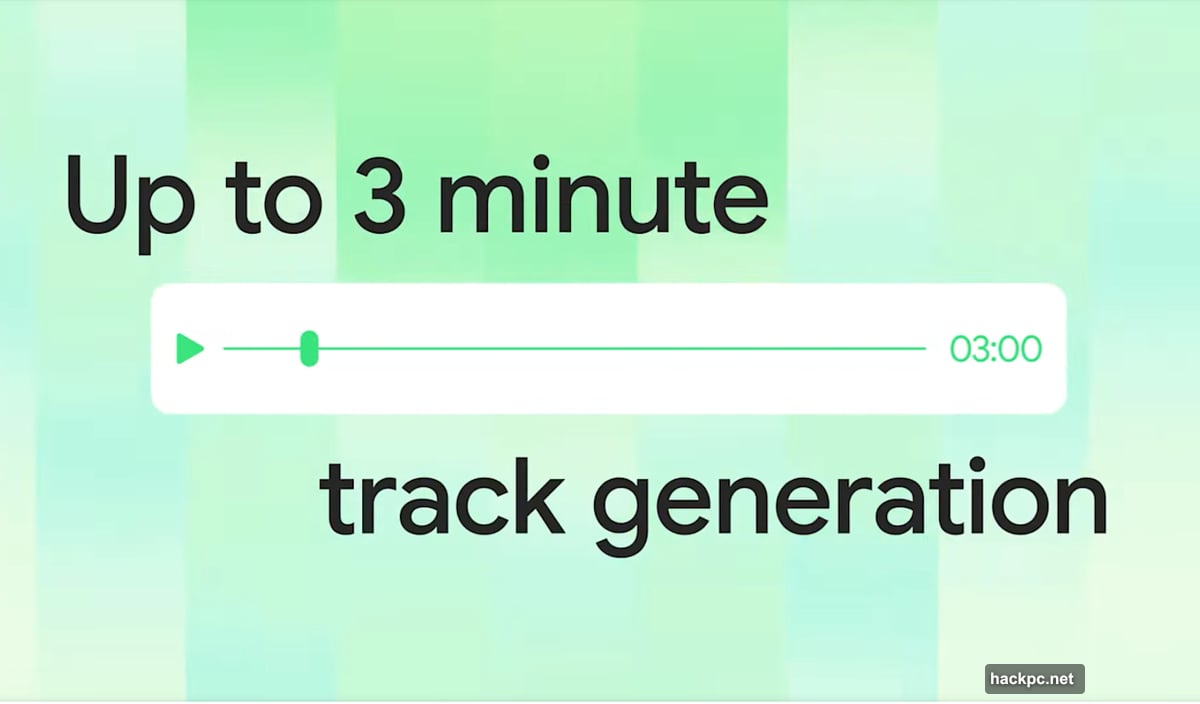
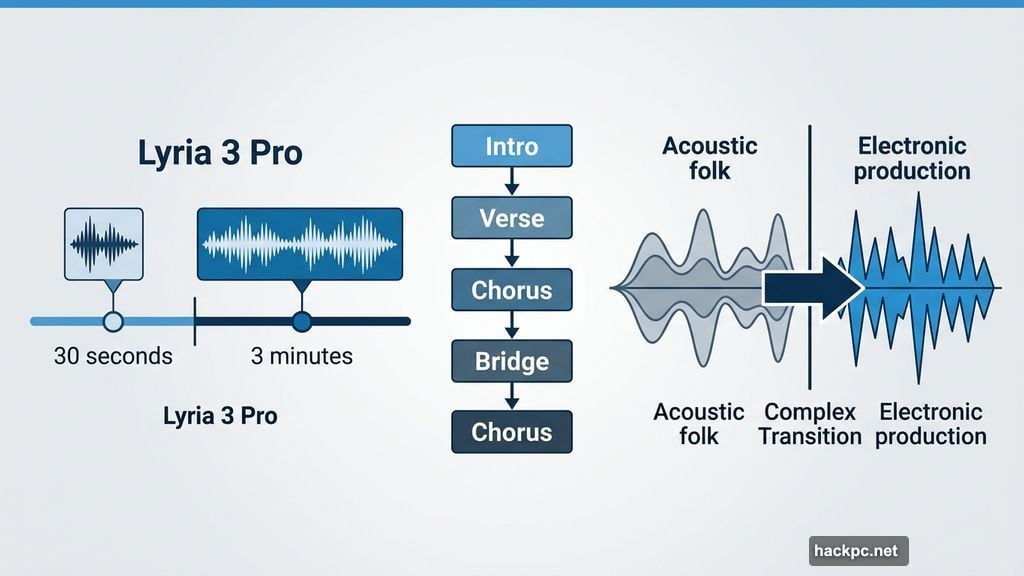
Meet Lyria 3 Pro, the updated version of Google’s AI music generator. It launched just last month with 30-second clips. Now it can create full three-minute songs. That’s a massive jump in a very short time.
Full Song Structure Is Now Possible
The biggest change isn’t just length. It’s control.
Previously, Lyria generated generic musical clips based on broad prompts. Now you can build a proper song from scratch. Intros, verses, choruses, bridges — you can request each element individually. Google says the model “better understands musical composition” than its predecessor.
That means less “AI blob of sound” and more actual song structure. For anyone experimenting with music production, that’s a real difference. You’re no longer stuck with a 30-second loop that fades out awkwardly.
Google also says Lyria 3 Pro handles “complex transitions” well. So if you want a track that shifts from acoustic folk into electronic production mid-song, the model can apparently manage that. Whether it sounds good is another question entirely.
Who Can Use Lyria 3 Pro Right Now
Access is already rolling out across several platforms.
Paid Gemini users get it first. Enterprise customers can access it through Vertex AI. Developers can build with it via the Gemini API and Google AI Studio. Plus, Google is weaving Lyria 3 Pro into Google Vids, its AI video creation platform, so generated music can pair directly with AI-generated video content.
That last part is interesting. Combining AI music with AI video in one workflow removes a genuine friction point for content creators. Need background music for a quick promotional clip? Lyria 3 Pro handles it without leaving the platform.
Google’s Responsible AI Pitch
Google is making noise about how carefully they built this thing.
The company says “responsibility was foundational” to Lyria 3 Pro’s design and training process. That means it only trained on materials Google has actual rights to use, which sidesteps the messy copyright battles other AI music tools are currently navigating.
Every track Lyria 3 Pro generates also gets embedded with SynthID, Google’s AI watermarking system. SynthID tags AI-generated content so platforms and listeners can identify it as machine-made. That kind of transparency matters, at least in theory.
But here’s where things get complicated.
Spotify Already Deleted 75 Million AI Tracks
Let’s talk about the elephant in the room.
Right now, about 50,000 AI-generated tracks get uploaded to Spotify every single day. Last year, Spotify deleted 75 million of them. That number is not a typo. Seventy-five million tracks removed from a single platform in one year.
Most of these uploads are low-effort content farming. Someone runs a prompt, generates dozens of generic tracks, uploads them under fake artist names, and collects tiny streaming royalties at scale. The music is technically listenable but artistically worthless. It clogs recommendation algorithms and pushes real artists further down the charts.
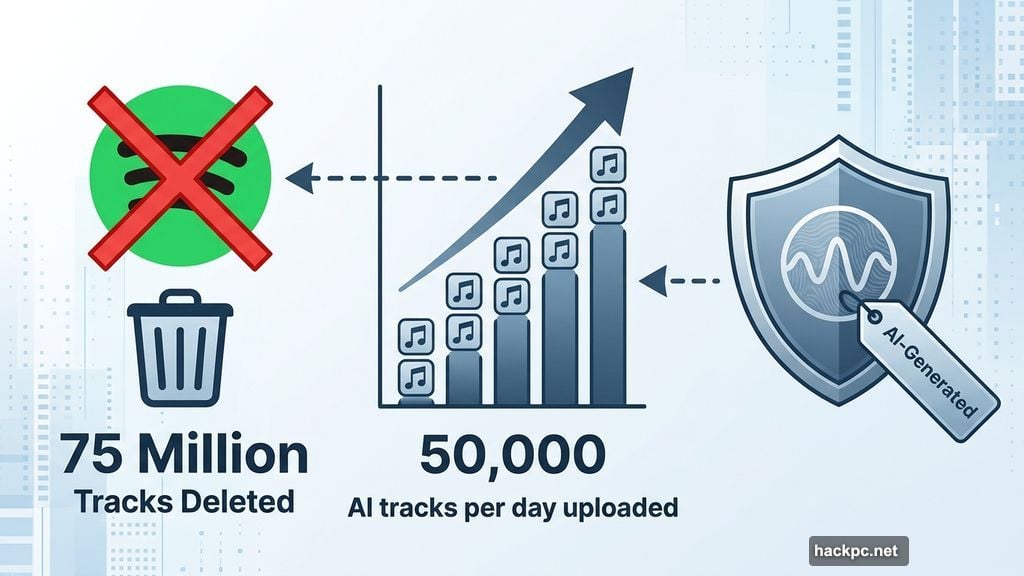
SynthID helps identify AI content after the fact. But it doesn’t stop the upload. And if the tool generates better, longer, more convincing music, the volume of this content will almost certainly increase.
Does the World Need Another AI Music Tool?
This is the honest question worth asking.
Google isn’t alone here. Suno, Udio, and several others already compete in the AI music space. Each new tool promises better quality, more customization, longer tracks. Lyria 3 Pro delivers on those promises, at least based on what Google describes.
For individual creators, hobbyists, and small production teams, tools like this genuinely help. Not everyone can afford a composer or sound designer. Having accessible music generation for YouTube videos, indie games, or personal projects fills a real need.
But the industrial-scale abuse of these tools is a separate problem that’s getting worse, not better. Google can train responsibly and watermark every output. None of that stops someone from dumping thousands of Lyria-generated tracks onto streaming platforms next week.
Lyria 3 Pro is technically impressive. The leap from 30 seconds to three minutes with genuine song structure in under a month of development is genuinely fast progress. Whether that’s something to celebrate really depends on which side of the music industry you’re standing on.




Comments (0)