
Google just released Nano Banana Pro, and it’s unnervingly good at fooling people.
The AI image generator creates photos so realistic that distinguishing them from actual photographs becomes nearly impossible. Plus, it’s the first model that can add perfectly legible text to images—an industry breakthrough that also opens scary new doors for misinformation.
After weeks of testing, I can confirm this is the best AI image tool available. But that distinction comes with serious concerns about what happens when anyone can create flawless fake content in seconds.
Text Generation Changes Everything
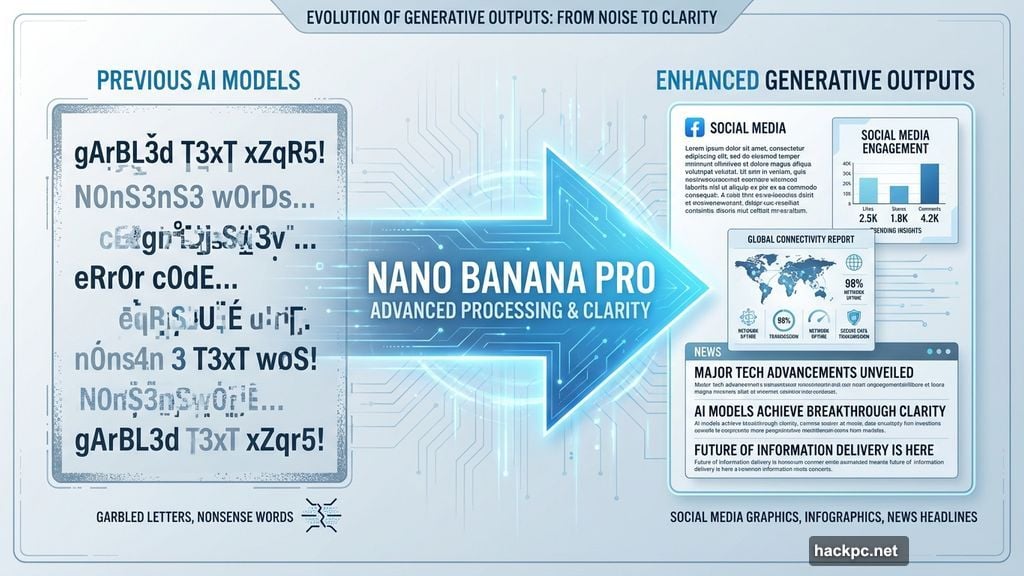
Previous AI image generators struggled with text. Garbled letters and nonsense words were telltale signs that an image was AI-generated.
Nano Banana Pro obliterates that safety net. The model renders crystal-clear text in any font, size, or style. Social media graphics, infographics, fake news headlines—all look completely authentic.
I created dozens of test images. Family members couldn’t spot the fakes. The text was perfect every time.
However, perfect text doesn’t mean accurate information. The AI frequently invented statistics and mixed up product specifications. One iPhone infographic I generated contained multiple factual errors, yet looked professionally designed enough that casual viewers would likely trust it.
That’s the real danger. Convincing appearance without reliable substance.
Realism That Crosses the Line
The visual quality is stunning. Nano Banana Pro captures intricate details that other AI models miss entirely.
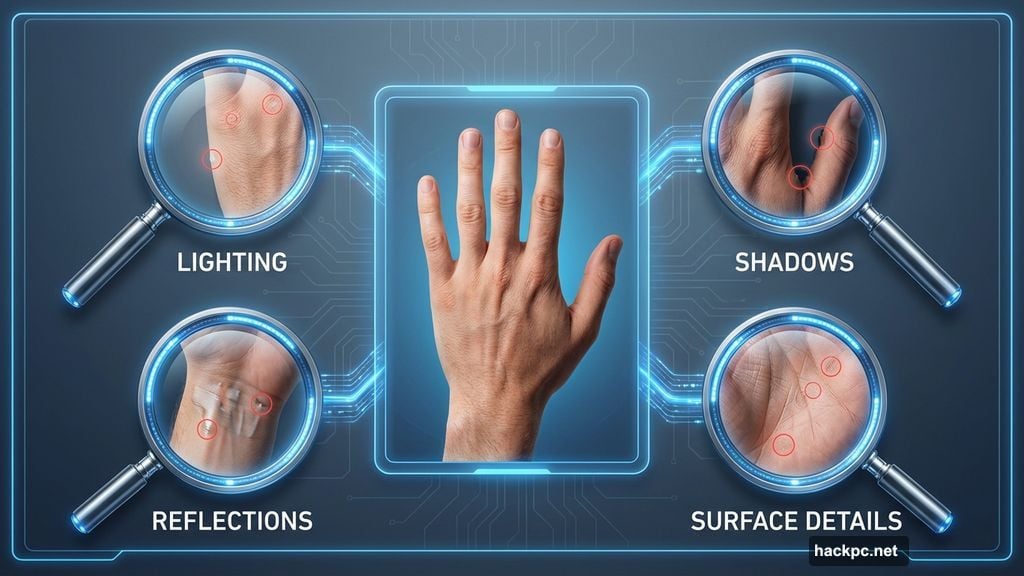
Skin textures look natural, not plastic. Lighting behaves realistically. Reflections, shadows, and surface details all check out. Even experts need to examine images closely to spot AI artifacts.
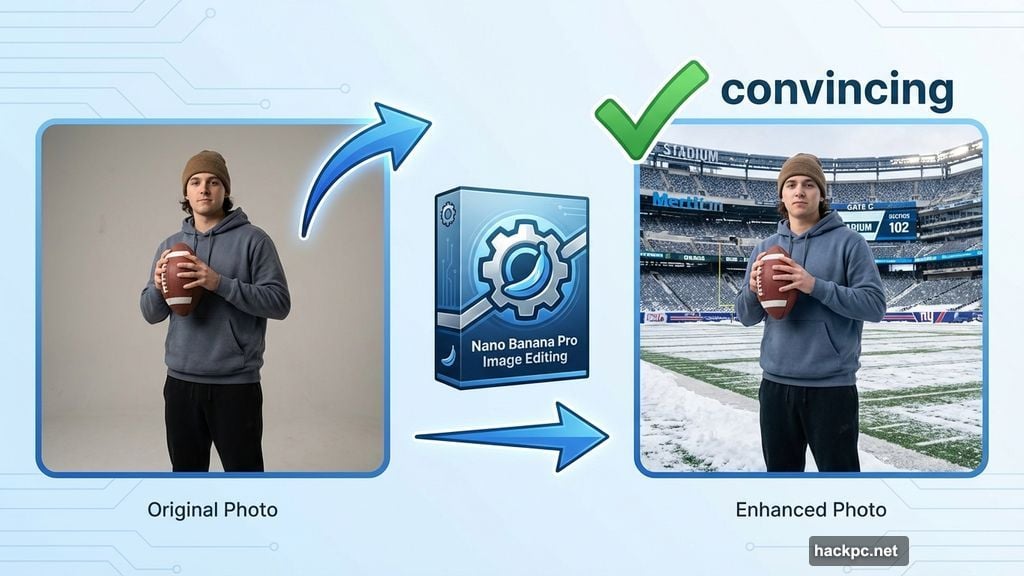
I tested the model with various scenarios. A family photo edited to include a football stadium background looked so authentic that relatives believed we’d taken another shot that day. The stadium architecture matched exactly, signage was sharp, and even the snow appeared natural.
For another test, I asked for an ESPN-style sports graphic. The result included accurate team logos, proper color schemes, and realistic reflections in the TV screen. These small details make Nano Banana Pro images extraordinary—and extraordinarily deceptive.
Photo Editing Finally Works
The original Nano Banana model struggled with image editing. The Pro version fixes most of those issues.
Background changes work brilliantly. Upload any photo and Gemini can swap the setting convincingly. I transformed casual snapshots into professional-looking images with different locations and lighting.
Relighting photos also improved dramatically. The original model distorted shadows and missed lighting cues. Nano Banana Pro applies natural-looking light sources that enhance rather than ruin images.
Yet some edits still fall short. Removing reflections from photos distorts fine details and facial features. Multiple iterative edits degrade image quality. The model handles big, single-step changes well but struggles with granular adjustments.
Plus, there are zero manual editing tools. Everything happens through conversation with the AI. That’s great for beginners but frustrating for anyone who wants precise control.
When the AI Starts Making Things Up
Here’s where Nano Banana Pro becomes genuinely dangerous. The model inherits chatbot hallucination problems.
I asked Gemini to create iPhone 17 infographics using only CNET’s specs comparison page. The results looked professional—and contained multiple errors. Wrong features on wrong models. Completely inaccurate hardware renderings. Made-up specifications presented as fact.
Mobile experts spotted the mistakes immediately. But would casual social media users? Probably not. The graphics were too polished and convincing.
This mirrors the core problem with AI chatbots. When you lack deep knowledge of a topic, you can’t verify whether the AI is inventing information. Nano Banana Pro packages those lies in beautiful, shareable graphics.
Google’s knowledge base causes additional problems. The model refused to generate images referencing Taylor Swift songs but had no problem with The Killers. These arbitrary restrictions seem designed to avoid copyright issues, yet they create inconsistent, unpredictable results.
Fast Model vs. Thinking Model
Google offers two versions. The original Nano Banana generates images in 30 seconds or less. Nano Banana Pro takes 50 to 120 seconds.
That extra time comes from the reasoning model powering Pro results. The AI “thinks” longer to produce more detailed, accurate images—especially helpful for complex edits and information-heavy graphics.
Use the fast model for quick creative projects. Switch to Pro when you need text integration, detailed edits, or higher quality output. Both are free, though usage limits apply unless you subscribe to Google’s AI services starting at $20 monthly.
The Pro model is worth the wait. Image quality differences are immediately obvious. Yet two minutes feels long compared to competitors. If speed matters more than perfection, stick with the original.
The Watermark Problem Nobody Mentions
Google embeds SynthID invisible watermarks in all AI-generated images. Sounds reassuring until you learn the detection technology is too limited to help.
The visible sparkle-shaped watermark? Google removes it from some images. So the one visual cue that might alert viewers disappears randomly.
This creates a verification nightmare. Social media platforms can’t reliably detect Nano Banana Pro images. Neither can average users. Even Google’s own detection tools struggle.
We’ve entered an era where any image could be AI-generated, and we have no reliable way to know. Nano Banana Pro accelerates that problem by orders of magnitude.
Privacy Trade-Offs
Google’s privacy policy allows the company to use anything you upload—including reference photos—to improve its AI products. That’s standard across the industry but still concerning.
Don’t upload sensitive information. Don’t use private photos unless you’re comfortable with Google potentially using them for training data. The company says it prohibits illegal and abusive material, yet enforcement remains opaque.
Paying subscribers get access to AI Studio and Flow, which offer more customization options. Free users can generate unlimited images through Gemini but with fewer controls.
When Perfect Fakes Become the Norm
Nano Banana Pro represents the future of generative media. That future arrives with serious risks.
Bad actors already use AI to create fake news, impersonate people, and spread misinformation. This tool makes their job dramatically easier. No specialized skills required. No telltale errors to spot. Just convincing fake content in seconds.
We’ve relied on obvious AI flaws to identify generated content. Weird fingers, garbled text, unnatural lighting—these red flags are disappearing. Nano Banana Pro erases most of them entirely.
Society isn’t prepared for this shift. We scroll social media assuming most content is real. We trust professional-looking infographics. We share images without scrutinizing their origins.
Those habits will cause massive problems as AI-generated content floods online spaces. Misinformation becomes harder to combat when fake material looks indistinguishable from reality.
Should You Use It?
For legitimate creative work, Nano Banana Pro is exceptional. Designers, marketers, and content creators gain a powerful tool that actually delivers on AI’s promises.
The image quality is unmatched. Text integration opens new possibilities. Photo editing capabilities continue improving. Free access makes it available to everyone.
But using this tool comes with responsibility. Verify all information before sharing AI-generated graphics. Disclose when content is AI-created, even though Google doesn’t require it. Double-check factual claims that appear in your images.
Most importantly, recognize that not everyone will use Nano Banana Pro responsibly. As perfect fake images become commonplace, our collective ability to distinguish truth from fiction diminishes.
Google built an incredibly impressive AI model. Now we face the consequences of making such powerful technology freely available. Those consequences will ripple through media, politics, education, and daily life in ways we’re only beginning to understand.
The line between reality and AI has effectively disappeared. What comes next depends on how we adapt to that uncomfortable new truth.


Comments (0)