
Forget doom-scrolling. TikTok just made self-education cool again.
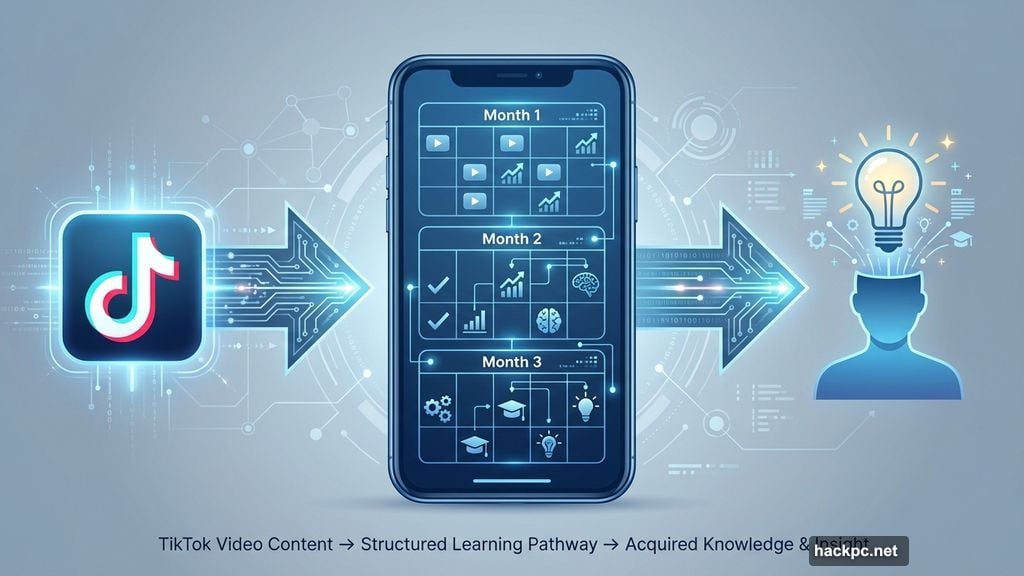
Millennials are ditching random YouTube binges for something more intentional. They’re creating monthly learning plans around topics they actually care about. Think mini personal universities, but without the student debt or boring lectures.
I tested this trend using ChatGPT to build my curriculum. Some parts worked brilliantly. Others needed serious tweaking. Here’s what I learned about using AI as your personal course designer.
The Microlearning Movement Makes Sense
Elizabeth Jean sparked this viral trend by sharing themed monthly curricula on TikTok. Her approach is simple. Pick three to five subjects you’ve always wanted to explore. Spend a month diving deep into each one.
What makes this different from New Year’s resolutions? It’s flexible and personal. You’re not forcing yourself to master calculus because it sounds impressive. You’re exploring things that genuinely fascinate you right now.
Plus, the monthly structure prevents burnout. One month feels manageable. You can bail if something doesn’t stick. No guilt, no pressure.
ChatGPT fits perfectly into this framework. It handles the boring parts like structuring syllabi and finding resources. You focus on actually learning.
ChatGPT’s First Suggestions Were Too Generic
I started by asking ChatGPT about the curriculum trend. It explained the concept well enough. Then I asked it to suggest topics based on what it knew about me from previous conversations.
Big mistake. ChatGPT went abstract and seasonal. It suggested tree observation and leaf journaling because fall was approaching. That’s not remotely interesting to me.
The problem? ChatGPT pulled from recent prompts instead of understanding my deeper interests. It saw “fall” mentioned once and ran with nature themes. Completely off base.
I redirected it. “Forget the season. Focus on my actual interests.” That helped, but the suggestions still felt surface-level. ChatGPT recommended networking dinners because I’d mentioned wanting to expand my network. Close, but not quite right.
Here’s what I learned. ChatGPT needs specific guidance. Don’t expect it to read your mind based on scattered conversation history. You need to explicitly state what fascinates you.
I Chose Three Topics That Match My Current Life
After some back-and-forth, I landed on three learning areas that felt right for where I am now. I’m trying to conceive, so simplicity and practical knowledge matter most.
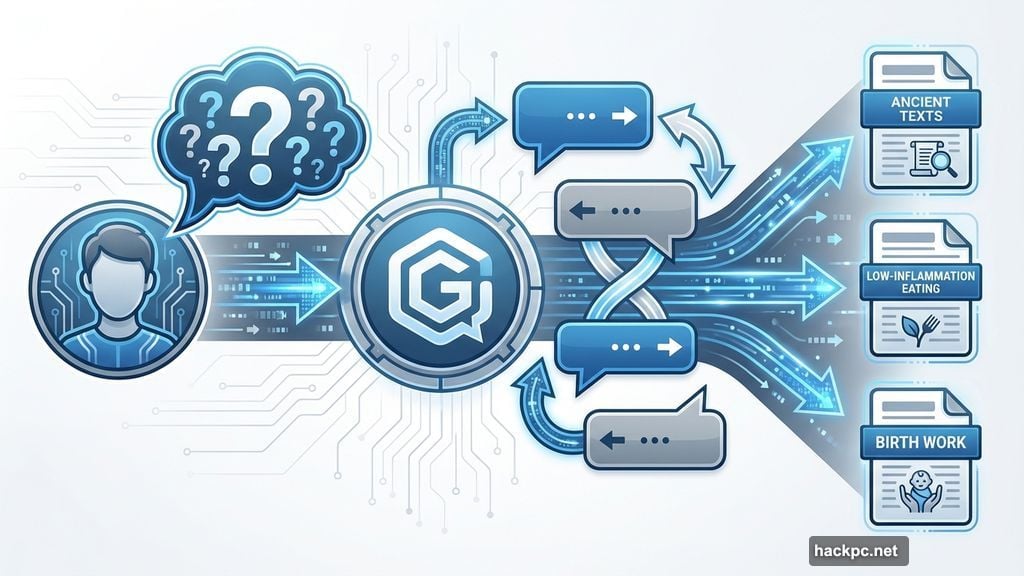
My topics: reading ancient spiritual texts, learning about low-inflammation eating, and exploring birth work. These align with my immediate curiosities and life stage.
You probably already know what you want to learn. The ChatGPT conversation just helps crystallize vague interests into concrete topics. Don’t overthink it. Go with what genuinely excites you right now.
Once you’ve got your topics, ChatGPT becomes more useful. It can structure the actual curriculum and suggest weekly learning activities.
The First Curriculum Draft Needed Major Edits
I prompted ChatGPT to create a learning plan for each topic with monthly assignments. The initial output looked organized. Weekly themes, end-of-month activities, clear progression.
But half the suggestions missed the mark. ChatGPT recommended reaching out to clinics in week three of my birth work module. Way too aggressive. I’m exploring the topic, not committing to a career change.
The spiritual texts curriculum was too broad. ChatGPT suggested studying multiple traditions simultaneously without depth. That’s overwhelming, not educational.
So I gave specific feedback. “Think more like a teacher. Make weekly tasks realistic. Focus on one spiritual tradition at a time.” That dramatically improved the output.
The revised curriculum felt manageable. Instead of surveying five spiritual texts in one month, ChatGPT suggested starting with one foundational text and studying it deeply. Much better.
Treating ChatGPT Like a Teacher Changed Everything
My most effective prompt was simple. “Act like an experienced teacher creating a beginner curriculum.” That single instruction transformed the quality.
ChatGPT started suggesting foundational concepts before advanced topics. It recommended specific courses and books instead of vague reading lists. The weekly progression made logical sense.
For the low-inflammation eating module, ChatGPT outlined basic principles in week one, then built toward meal planning and recipe experimentation. That’s how actual teachers structure learning.
The key insight? ChatGPT defaults to generic information dumps. You need to explicitly tell it to adopt a pedagogical approach. Frame your prompts like you’re talking to an educator, not a search engine.
Also, review every suggestion critically. ChatGPT included tasks that sounded good but didn’t fit my goals. I cut anything that felt forced or unrealistic.
Agent Mode Solves the Resource Problem
Once you’ve got your curriculum structure, finding learning materials becomes the next challenge. This is where ChatGPT’s agent mode (available with paid plans) shines.
I used it to compile resources for each topic. “Find the most important beginner resources for studying the Bhagavad Gita.” Agent mode pulled together book recommendations, lecture series, and reputable websites.
For inflammation eating, it suggested evidence-based articles, beginner-friendly cookbooks, and credible nutrition sources. I didn’t have to dig through questionable blog posts or conflicting advice.
The advantage of agent mode is comprehensiveness. It searches multiple sources simultaneously and organizes findings into coherent lists. That saves hours of manual research.
Just verify the sources before diving in. ChatGPT occasionally recommends outdated materials or less credible websites. Cross-check anything that seems questionable.
The Flexibility Makes It Sustainable
Traditional learning programs fail because they’re rigid. Miss one week and you feel behind. Fall off the schedule and guilt kicks in.
This curriculum approach works differently. If week two’s topic doesn’t interest you, skip it. If you want to spend three weeks on one concept instead of one, do it. The structure guides you, but it doesn’t cage you.
I found myself adjusting the curriculum constantly. Some weeks I went deeper than planned. Other weeks I barely touched the material. That’s fine. The point is continuous learning, not perfect adherence.
ChatGPT makes adjustments easy. You can ask it to expand certain topics or condense others. “Give me more resources on Taoist philosophy” or “Simplify week three to cover basics only.” It adapts immediately.

This flexibility is the secret to long-term learning. You’re not forcing yourself through a pre-packaged course. You’re following your curiosity with just enough structure to maintain momentum.
Some Practical Tips I Wish I Knew Earlier
Start with one topic if three feels overwhelming. Master that before adding more. I tried juggling all three initially and felt scattered.
Set realistic weekly time commitments. ChatGPT doesn’t know you only have three free hours weekly. Adjust its suggestions to match your actual schedule.
Use specific prompts. “Create a 30-minute weekly learning plan” works better than “suggest learning activities.” The more precise you are, the more useful ChatGPT becomes.
Build in reflection time. I asked ChatGPT to include weekly reflection prompts. “What surprised you this week?” or “How does this connect to what you already know?” That deepened my learning significantly.
Also, share your curriculum with friends. I mentioned my birth work studies to a friend who connected me with an actual doula. Real-world conversations enhance AI-generated plans.
This Beats Random Internet Rabbit Holes
Before this experiment, my learning was chaotic. I’d watch a documentary, read a Wikipedia article, forget everything by next week. No retention, no progression.
The curriculum approach changed that. I’m building actual knowledge instead of collecting random facts. Each week builds on the last. Concepts stick because there’s context and repetition.
ChatGPT handles the organizational burden I always avoided. I don’t have to research course structures or create reading lists. The AI does that. I focus on actual learning.
Is it perfect? No. ChatGPT still needs constant guidance and editing. But it’s far better than my previous approach of learning nothing systematically.
The best part? I’m genuinely excited to learn now. These aren’t topics I should study. They’re things I want to explore. That intrinsic motivation makes all the difference.
Your curriculum will look completely different from mine. That’s the point. Use AI to structure your curiosities into actionable learning plans. Then actually follow through and see what sticks.




Comments (0)