
I nearly fell for it twice. Professional-looking recruiters. Detailed job offers. All fake.
LinkedIn scams are getting scary good. Criminals exploit the platform’s professional veneer to make bogus opportunities look legitimate. Plus, they’re using AI to craft convincing pitches that fool even skeptical users.
After my close calls, I talked to cybersecurity experts about spotting these cons before they cost you money or steal your identity.
The Aerospace Writing Gig That Made No Sense
A recruiter contacted me about aerospace writing. Immediate red flag: I’ve never written about aerospace.
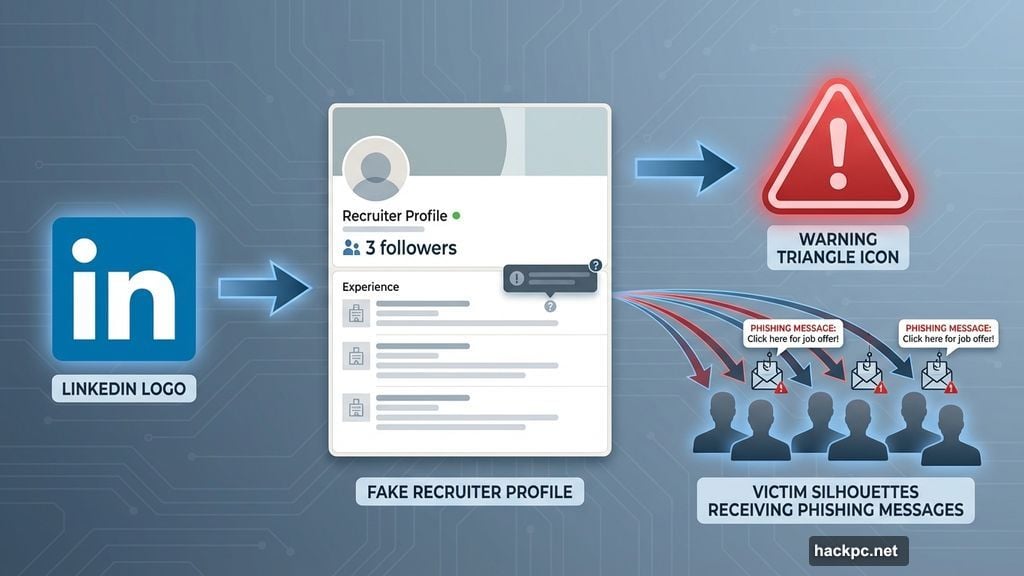
Her LinkedIn profile showed three followers. Real recruiters, even brand new ones, have more presence than that. But the message looked professional enough to make me pause.
That’s the problem. Scammers bank on that moment of hesitation where you think “maybe this is real.”
Book Marketing Pitch Disappeared Fast
Next came a “publicist” offering to promote my 2007 book for $399. The email was detailed and persuasive.
When I searched LinkedIn, his profile appeared in Google results. But clicking through revealed LinkedIn had already removed his page. The platform caught him before I paid anything.
I got lucky. Many don’t.
Six LinkedIn Scams That Target Job Seekers
Fake Job Postings That Steal Your Data
Scammers create bogus job listings promising great pay for minimal hours. Some even hijack real company names to look legitimate.
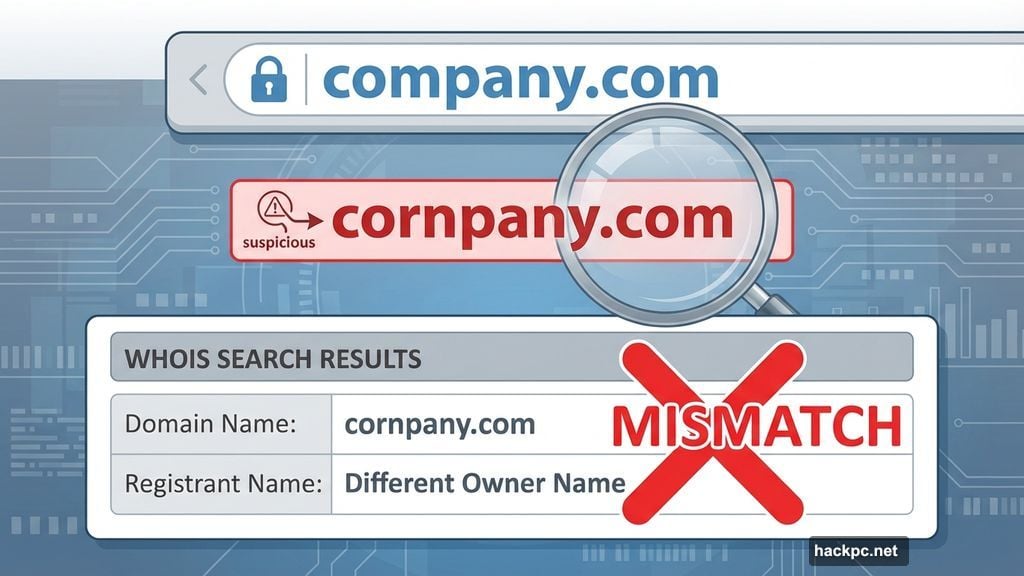
Mark Anthony Dyson, author of “The Job Scam Report,” says to check misspelled URLs carefully. These fake links can install malware that steals your personal information.
Use WhoIs.com to verify any suspicious URL. Type in the address and see who actually owns the domain. If it’s not the company you expected, don’t click.
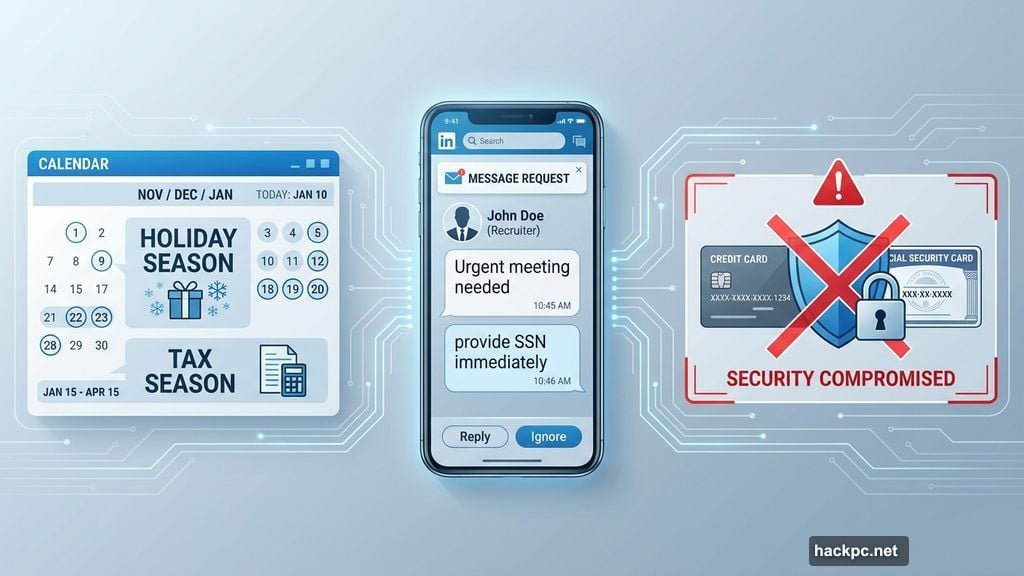
Real red flag: Recruiters who text immediately asking for Social Security numbers or bank details. Legitimate hiring processes never rush you to share sensitive data through informal channels.
Phishing Messages Timed to Your Weak Spots
Tony Anscombe, chief security evangelist at ESET, says criminals time their attacks strategically. Holiday season brings fake delivery notifications. Tax season brings IRS impersonators.
These phishing messages through LinkedIn look contextually appropriate. That makes them harder to spot.
Grammar mistakes used to expose scammers. Not anymore. AI tools now polish their language until it looks professional.
Instead, watch for vague details. Messages that say “we need to meet” without explaining why should raise suspicion.
Fake Profiles Built to Establish Trust
Scammers create entirely fabricated LinkedIn personas. They use these profiles to send phishing emails or build relationships before requesting money.
Some even use LinkedIn for romance scams, a practice called pig butchering. They develop trust over weeks before pitching fake investment opportunities.
Zero followers and empty profiles are obvious tells. But sophisticated scammers also hijack legitimate accounts.
Always verify unexpected messages directly with contacts through other channels. Even if it looks like your colleague sent it.
Crypto Investment Schemes That Drain Accounts
Someone befriends you on LinkedIn. Conversation shifts to cryptocurrency. Soon they’re pressuring you to invest in their special coin.
The first major warning: They want to move the chat to encrypted messaging apps. These platforms don’t save conversations, making it harder for law enforcement to track criminals.
Any pressure to invest quickly signals danger. Legitimate investment opportunities don’t require rushed decisions on unfamiliar platforms.
Advance Fee Cons Promising Big Payouts
Remember the Nigerian prince emails? Same concept, new platform.
Scammers claim you’ve inherited $50,000 from a distant relative. Just pay their $500 attorney fee first. Oh, and provide your bank account number for the “direct deposit.”
Real windfalls rarely require upfront payments. When they do, fees get deducted from the amount you receive, not paid separately beforehand.
“Legitimate recruiters do not request money for any part of the job interview or hiring process,” Dyson emphasizes. That includes buying equipment for the job.
Resume Help That Helps Itself to Your Money
Fake consultants offer to polish your LinkedIn profile or rewrite your resume. You pay them $200 or $300, then never hear back.
Real consultants have verifiable online presence beyond LinkedIn. They can speak on the phone. They have testimonials from actual clients you can contact.
Dyson checked one suspicious profile and found identical comments copied across multiple pages. Dead giveaway.
Seven Ways to Protect Your LinkedIn Account
Check Every Profile Thoroughly
Someone reaches out? Visit their profile and search for them across the internet. See what comes up beyond LinkedIn.
Even if their LinkedIn looks legitimate, verify they’re real people with real businesses before sharing anything sensitive.
Confirm Information Through Official Channels
Job offer from a big company? Great. Now go to that company’s website independently and verify.
Check if the position is posted in their careers section. Call the company directly and ask if that recruiter actually works there.
Never Pay Upfront Fees
This rule has rare exceptions. But as a default position, paying money to get a job or access an opportunity almost always signals a scam.
If someone insists payment is necessary, independently verify through multiple trustworthy sources first.
Keep Initial Conversations on LinkedIn
Scammers rush you off LinkedIn to WhatsApp, Telegram, or personal email. These platforms lack the paper trail that LinkedIn maintains.
Stay on the original platform until you’ve thoroughly verified who you’re talking to and why.
Strip Sensitive Details from Your Profile
Full home addresses don’t belong on LinkedIn. Neither do Social Security numbers, driver’s license information, or bank account details.
Only share what’s necessary for professional networking. Nothing that could enable identity theft.
Consider Identity Theft Protection Services
These services monitor credit activity, scan the dark web for your information, and provide recovery assistance if you become a victim.
They offer credit freezes, financial account alerts, and sometimes identity theft insurance. Given how common these scams are, the investment might make sense.
Trust Nothing by Default
Anscombe recommends a zero-trust mindset. “Take the view that nothing is real and treat every message as though it is fake.”
Don’t click links in unexpected messages. Verify everything independently before taking any action.
What to Do When You Spot a Scam
Hang up immediately if you realize you’re on the phone with a scammer. No need for polite goodbyes.
Never click links or attachments from suspicious LinkedIn contacts. Report the profile using LinkedIn’s reporting tools right away.
If you’ve already shared personal information, act fast. Change your passwords immediately. Monitor your financial accounts closely.
Alert your bank or credit card provider so they can watch for fraudulent activity. File a report with the FTC through their online system.
The Professional Disguise Makes It Work
LinkedIn scams succeed because the platform feels inherently trustworthy. We expect professional behavior from professional networking sites.
Scammers exploit that expectation. They dress up cons in business casual language and hide behind corporate-sounding titles.
The solution isn’t leaving LinkedIn. It’s approaching every unexpected message with healthy skepticism, even when it looks legitimate.
Verify first. Click later. Your bank account will thank you.




Comments (0)