
Moz Pro remains one of the most respected names in SEO tooling. After spending months testing its latest features, I’ve discovered both impressive improvements and persistent limitations that every marketer should know about.
The platform now integrates AI throughout its core functions. Plus, it maintains the transparent pricing and Domain Authority metrics that made Moz famous. But is it worth the investment compared to alternatives like Ahrefs or SEMrush?
Let’s break down what actually matters.
AI Features That Actually Work
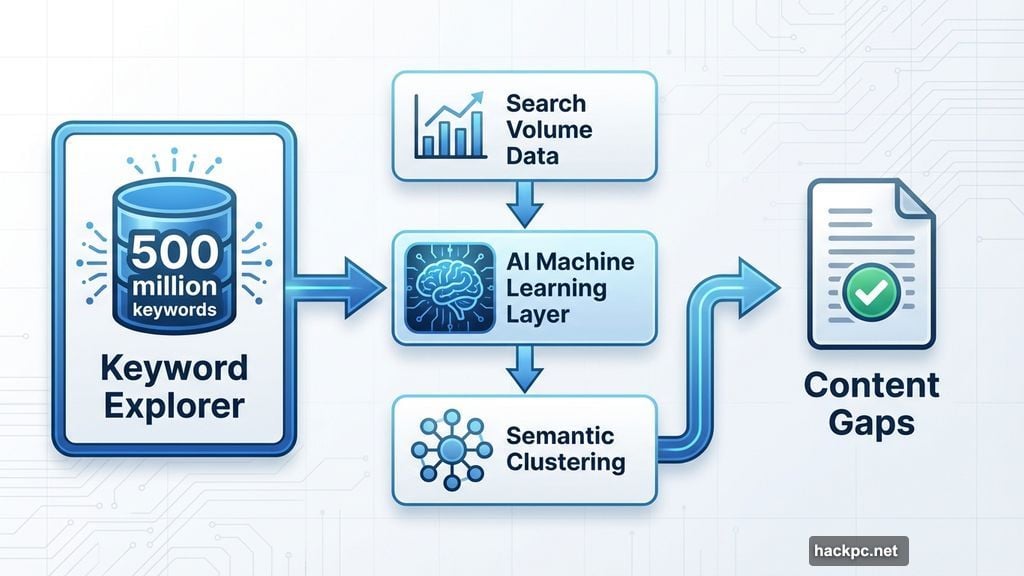
Moz baked artificial intelligence into every subscription tier this year. The AI-powered keyword suggestions go beyond basic search volume data. Instead, they analyze semantic relationships and user intent to surface relevant opportunities.
This two-layer approach combines machine learning with rules-based systems. So you get granular intent metrics that help prioritize content creation. For instance, the system automatically clusters related terms and identifies gaps your competitors miss.
The Brand Authority Score uses AI to measure domain strength continuously. It analyzes various signals to show how your site stacks up in search results. Moreover, the SERP analysis tool reveals which content formats currently win for target keywords.
These features save considerable time during research phases. However, beginners might feel overwhelmed by the sheer amount of data presented.
Keyword Research Goes Deep
Moz’s database contains over 500 million keyword suggestions. The Keyword Explorer tool provides search volume, difficulty scores, and comprehensive SERP analysis for each term.
What sets it apart? The platform monitors keyword rankings over time. So you can assess strategy effectiveness and make necessary adjustments quickly.
Plus, the interface organizes keywords by topic and semantic relevance automatically. This beats manually sorting through spreadsheets. Yet the database remains smaller than competitors like Ahrefs, which could limit research for niche industries.
Site Audits Find Critical Issues Fast
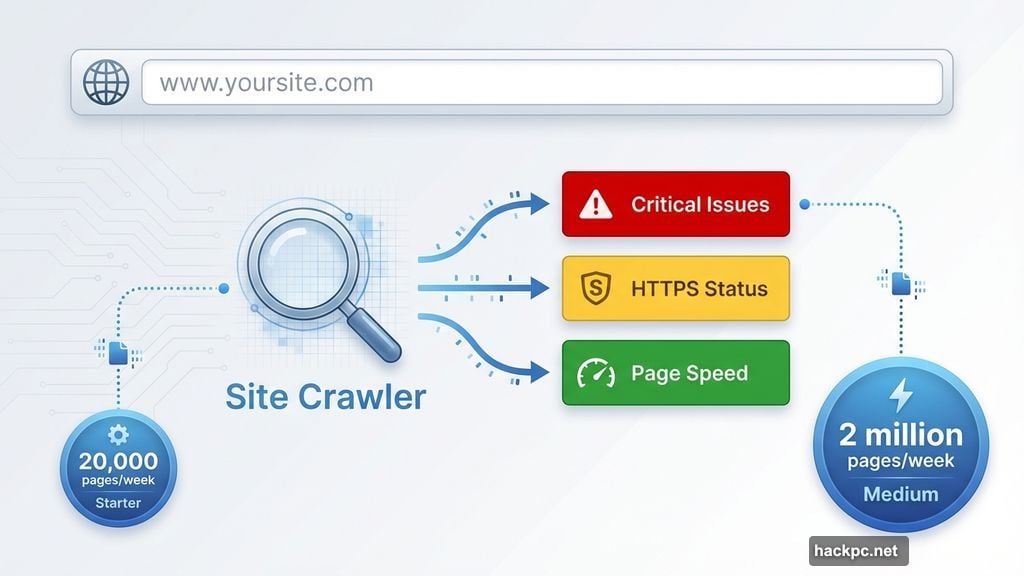
Moz’s website checker examines everything from crawlability to HTTPS status and page loading speed. It ranks problems by their SEO impact, making prioritization straightforward.
The performance tracker monitors site health continuously. It alerts you when new issues arise, helping you stay proactive. Moreover, audits cover both major errors and minor improvements that compound over time.
One limitation: the crawl limits vary dramatically between pricing tiers. The Starter plan crawls just 20,000 pages weekly, while the Medium plan handles 2 million pages. So larger sites need higher-tier subscriptions to get full coverage.
Backlink Analysis Shows Link Quality
Backlinks remain the backbone of SEO rankings. Moz’s Link Explorer provides details on backlink strength and quality, helping build robust link profiles.
You can review your entire link profile, spot damaging links, and discover new link-building opportunities. The spam score detection particularly impresses—it flags sketchy backlinks that could trigger penalties.
However, Moz’s link index contains “just” 44 trillion links. Ahrefs claims over 50 trillion. For most businesses, this difference doesn’t matter. But enterprise-level agencies might notice gaps in backlink data.
Rank Tracking Monitors Visibility
Moz Pro tracks keyword rankings with precision. It monitors changes over time and offers insights into visibility and performance trends.
The reporting functionality shines brightest here. You can create custom reports focusing on specific keyword groups, timeframes, or competitors. Plus, branded reports make client presentations professional and polished.
Still, some users report occasional ranking discrepancies compared to actual search results. This happens with all rank tracking tools, but it’s worth noting.
Moz Local Handles Business Listings
Moz Local manages business listings across Google, Facebook, and other platforms. It offers Continuous Listings Sync, Automatic Duplicate Removal, and Profile Optimization features.
The Review Management System tracks and responds to reviews from one dashboard. This saves time for businesses managing multiple locations. Additionally, detailed reports monitor online performance metrics.
Yet integration with third-party platforms remains limited compared to specialized local SEO tools. So businesses with complex local SEO needs might require supplementary software.
STAT Tracks Enterprise Rankings
STAT by Moz provides detailed search engine results data with daily rank tracking. It monitors unlimited keywords and competitor sites worldwide.
Starting at $720 monthly for 6,000 keywords, STAT targets agencies handling large-scale projects. The customizable alerts help track trends, while local and mobile search tracking covers diverse search contexts.
However, the high price point makes STAT impractical for small businesses or solopreneurs. The standard Moz Pro plans handle rank tracking adequately for most users.
API Access Opens Advanced Possibilities
The Moz API grants access to over 44 trillion links for developers and agencies. You get detailed link data including linking root domains, anchor texts, and link types (followed, unfollowed, external).
It also delivers Domain Authority and Page Authority metrics. These help determine domain value and ranking potential. Developers can build custom SEO tools, add link metrics to websites, or gather strategic intelligence.
The API’s versatility appeals to technical users. But non-developers won’t benefit from this feature, making it niche functionality.
Free Tools Provide Solid Value
Moz offers impressive free SEO tools that compete with paid alternatives. The free Domain Analysis shows Domain Authority, top pages, and other metrics for any domain.
Keyword Explorer’s free version lets you explore over 1.25 billion keywords. Link Explorer provides access to 40 trillion links for backlink research. Plus, MozBar works as a Chrome extension for analyzing any website you visit.
These free tools build brand loyalty and help beginners learn SEO fundamentals. However, they impose strict query limits that require paid subscriptions for professional use.
Pricing Scales With Business Growth
Moz Pro offers five pricing tiers from $49 monthly (Starter) to custom Enterprise plans. Annual billing saves 20% across all plans.
The Starter plan suits solopreneurs managing one website with 50 tracked keywords. Standard ($99 monthly) supports three websites and 300 keywords. Medium ($179 monthly) represents the most popular option with 10 websites and 1,500 keywords.
Large plans ($299 monthly) accommodate agencies with 25 websites and 3,000 keywords. Plus, all plans include a 30-day money-back guarantee for testing.
This transparent pricing beats competitors with opaque custom quotes. Yet the feature limits at lower tiers may frustrate growing businesses.
Interface Remains User-Friendly
Moz Pro’s dashboard layout prioritizes clarity over flashiness. The menu organizes features logically, making navigation straightforward despite the tool’s complexity.
New projects include helpful setup tips for selecting search engines and keywords. Furthermore, educational resources integrate directly into tool interfaces for immediate learning access.
Still, the interface feels less intuitive than SEMrush or Ahrefs. New users face a learning curve before maximizing the platform’s potential.
Support Relies Heavily on Self-Service
Moz provides extensive educational resources including the Beginner’s Guide to SEO and the SEO Learning Center. The Moz community connects you with 500,000+ digital marketers for peer support.
However, direct support options disappoint. There’s no phone support, live chat, or direct email. You must submit requests through the help portal without listed response times.
This self-service approach works for experienced marketers comfortable troubleshooting independently. But businesses needing hands-on guidance might prefer competitors with robust support teams.
Domain Authority Metrics Set Standards
Moz’s Domain Authority (DA) and Page Authority (PA) metrics became industry standards. Website owners and marketers reference these scores universally when evaluating link quality.
This widespread acceptance gives Moz unique authority in SEO discussions. Competitors developed their own metrics, but DA remains the most recognized benchmark.
Yet relying solely on proprietary metrics creates vendor lock-in. Businesses built around DA scores face migration challenges if switching platforms.
Moz Pro delivers comprehensive SEO functionality for businesses serious about organic traffic. The AI-powered features add genuine value, while transparent pricing removes guesswork from budgeting.
However, the learning curve intimidates beginners, and limited support frustrates users needing immediate help. Plus, the smaller database compared to Ahrefs might impact enterprise-level research.
For small to medium businesses committed to SEO marketing, Moz Pro provides excellent ROI. The free tools alone justify exploring the platform. Just be prepared to invest time learning the system before seeing full benefits.



Comments (0)