
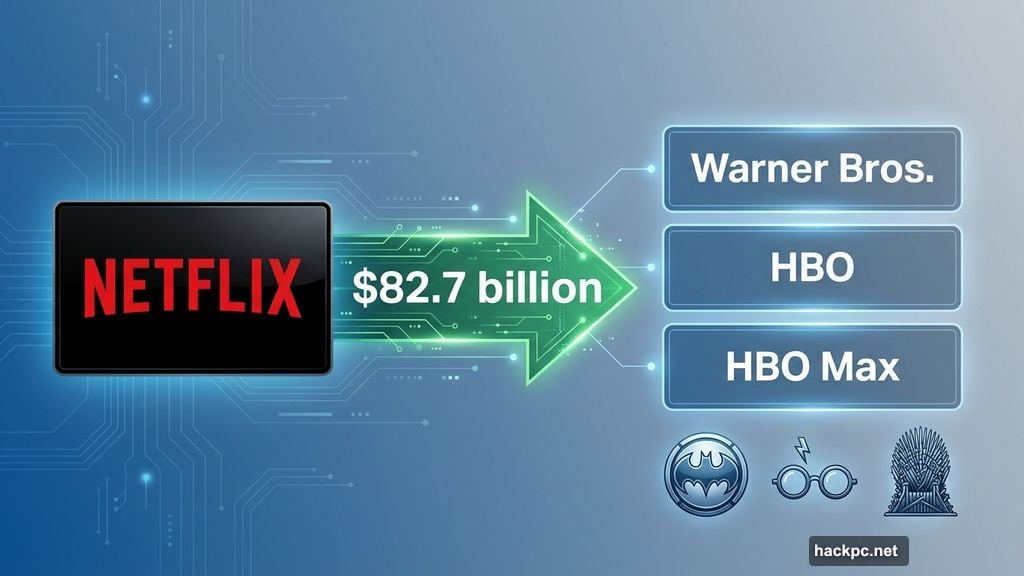
Netflix dropped a bombshell Friday that will reshape streaming forever. The company’s acquiring Warner Bros., HBO, and HBO Max for $82.7 billion.
This isn’t just another corporate merger. It’s a seismic shift that puts Batman, Harry Potter, Game of Thrones, and Stranger Things under one roof. Plus, it fundamentally changes what streaming looks like going forward.
Here’s what this mega-deal means for your wallet and your watchlist.
Harry Potter Meets Stranger Things
The content library Netflix just acquired is staggering. Warner Bros. brings massive franchises like Harry Potter, DC Comics properties including Batman, and beloved sitcoms like Friends.
HBO adds Game of Thrones, Succession, The Last of Us, and decades of prestige television. HBO Max already streams all of this content. Now it’s joining Netflix’s existing catalog of hits like Squid Game, Wednesday, and The Crown.
Think about that for a second. The studio that made The Dark Knight trilogy now shares a home with the team behind Bridgerton. It’s a weird mashup. But it creates the most dominant content library in streaming history.
Netflix co-CEO Ted Sarandos promises the deal will bring audiences “more of what they love.” Translation? Expect more big-budget productions, more franchise expansions, and more reasons to keep your subscription active year-round.
One App or Two? Nobody Knows Yet
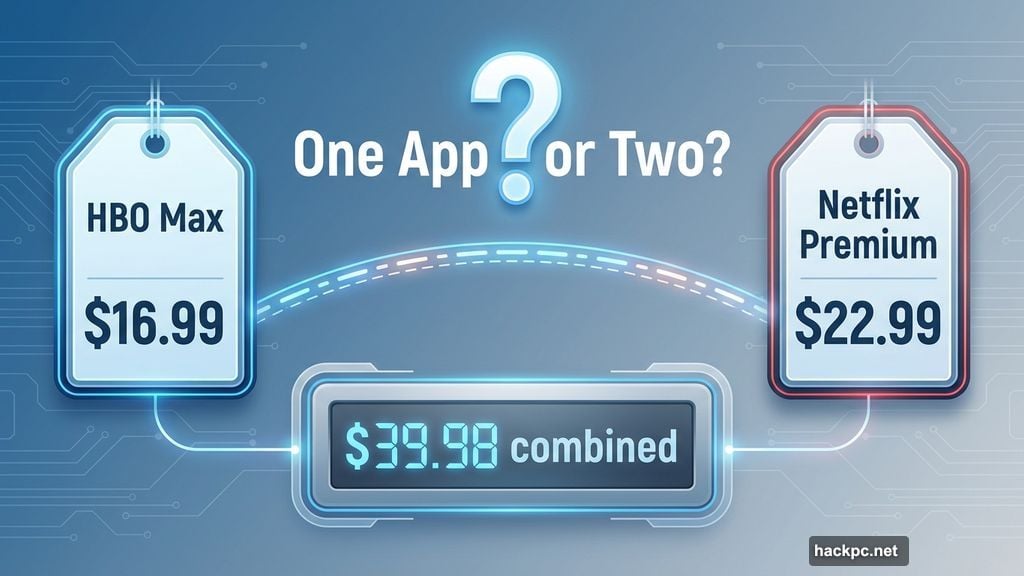
The biggest question Netflix hasn’t answered: Will HBO Max and Netflix merge into a single app?
Right now, both services exist separately. HBO Max costs $16.99 monthly for ad-free streaming. Netflix’s premium tier runs $22.99 monthly. So you’re paying nearly $40 combined if you subscribe to both.
Netflix said the deal will “optimize its plans for consumers” and expand “access to content.” That’s corporate speak for “we haven’t decided yet.” But reading between the lines, a merged service seems likely.
However, separate apps might stick around. Some users love HBO’s curated, prestige-focused approach. Others prefer Netflix’s algorithm-driven recommendations and broader appeal. Maintaining both could satisfy different audiences.
Either way, expect changes to your subscription options within the next year. The companies plan to close this deal by late 2026, assuming regulators approve it.
Your Bill Is Probably Going Up
Let’s be honest. This acquisition won’t make streaming cheaper.
Netflix already raised prices multiple times in recent years. The premium plan jumped from $19.99 to $22.99 in 2024. Basic plans with ads now start at $6.99. That’s a massive range designed to extract maximum revenue from different subscriber tiers.
Moreover, streaming services across the board keep getting pricier. Disney Plus, Hulu, Max (formerly HBO Max), and Paramount Plus all increased rates in the past two years. The industry trend points one direction: up.
Netflix didn’t comment on pricing plans yet. But acquiring $83 billion worth of assets means shareholders expect returns. Those returns come from subscriber growth or higher prices. Since subscriber growth is slowing in mature markets like the US, price hikes seem inevitable.
Forrester VP Mike Proulx called Netflix “the Goliath of streaming services” after this deal. Goliaths don’t typically offer discounts.
Warner Bros. Films Still Hit Theaters
One interesting detail: Netflix promised theatrical releases will continue for Warner Bros. films.
That matters because Netflix historically resisted theatrical windows. The company wanted everything on its platform immediately. But Warner Bros. produces massive tentpole films like The Batman Part 2 that generate hundreds of millions from box office runs.
So expect a hybrid approach. Big Warner Bros. productions will likely hit theaters first, then stream exclusively on Netflix months later. Smaller projects might skip theaters entirely and premiere directly on the service.
This actually benefits subscribers. Theatrical releases build buzz and cultural relevance. When those films eventually land on streaming, they feel like major events worth watching.
Plus, it keeps Warner Bros.’ relationships with theater chains intact. That’s important for blockbusters that rely on IMAX screenings and premium formats to justify their budgets.
The Streaming Wars Just Ended
This deal doesn’t just change Netflix. It fundamentally alters the competitive landscape for every streaming service.
Disney Plus, Paramount Plus, Peacock, and Apple TV Plus now face a combined Netflix-HBO-Warner Bros. behemoth. That’s an almost insurmountable content advantage. Sure, Disney has Marvel and Star Wars. But Netflix now counters with DC Comics, HBO prestige dramas, and its own massive originals library.
Smaller services will struggle to compete. Why subscribe to Peacock for The Office when Netflix has Friends, Seinfeld, and hundreds of other comfort-watch sitcoms? Why pay for Paramount Plus when Netflix offers more blockbuster films and better originals?
Industry consolidation was inevitable. But this deal accelerates it dramatically. Expect more mergers, more cancellations of marginal services, and fewer viable competitors within the next few years.
The streaming wars are over. Netflix won.
What Happens Next
The deal needs regulatory approval before closing. Given the current political climate around big tech and media consolidation, that’s not guaranteed.
Regulators might scrutinize whether combining Netflix’s global reach with Warner Bros.’ content library creates an unfair monopoly. They could demand concessions like divesting certain assets or maintaining competitive pricing.
However, Netflix and Warner Bros. Discovery’s boards unanimously approved the transaction. That suggests both companies believe they can navigate any regulatory challenges. The deal values Warner Bros. Discovery at roughly $72 billion after accounting for debt.
If approved, Netflix plans to maintain Warner Bros.’ current operations. That means the studio keeps making films and shows as usual. The main difference? Everything eventually lands on Netflix instead of HBO Max or theaters exclusively.
Greg Peters, Netflix’s co-CEO, praised Warner Bros.’ executive team and promised to “strengthen the entire entertainment industry.” Whether that actually happens depends on execution.
The Bottom Line Nobody Wants to Hear
This acquisition benefits Netflix shareholders far more than subscribers. Yes, you’ll get access to more content. But you’ll also pay more for it.
The entertainment industry just became significantly less competitive. Fewer players mean less incentive to keep prices low or innovate aggressively. Netflix can now raise prices knowing most subscribers have nowhere else to go for this breadth of content.
So enjoy having Batman and Succession on the same platform. Just don’t expect it to stay affordable. The golden age of cheap streaming is officially dead.


Comments (0)