
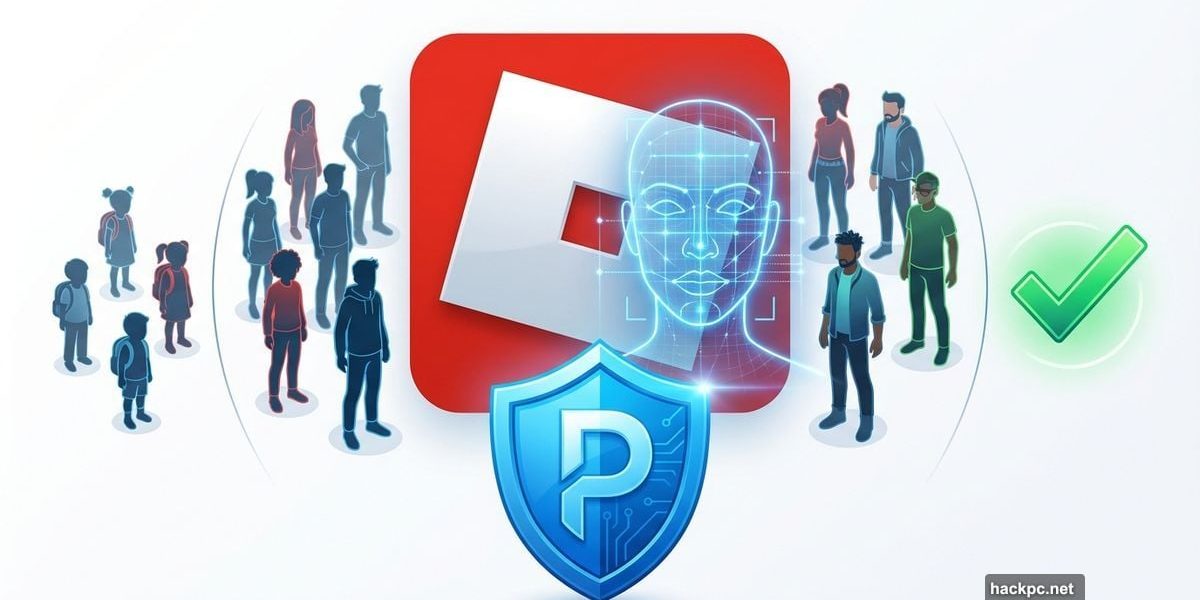
Roblox flipped the switch on mandatory age verification this week. No age check? No chatting with other players.
The gaming platform announced the policy back in November 2025. After testing in Australia, New Zealand, and the Netherlands last month, it’s now rolling out everywhere chat is available. Plus, the numbers show players are actually going through the process.
Facial Scanning Determines Your Age Group
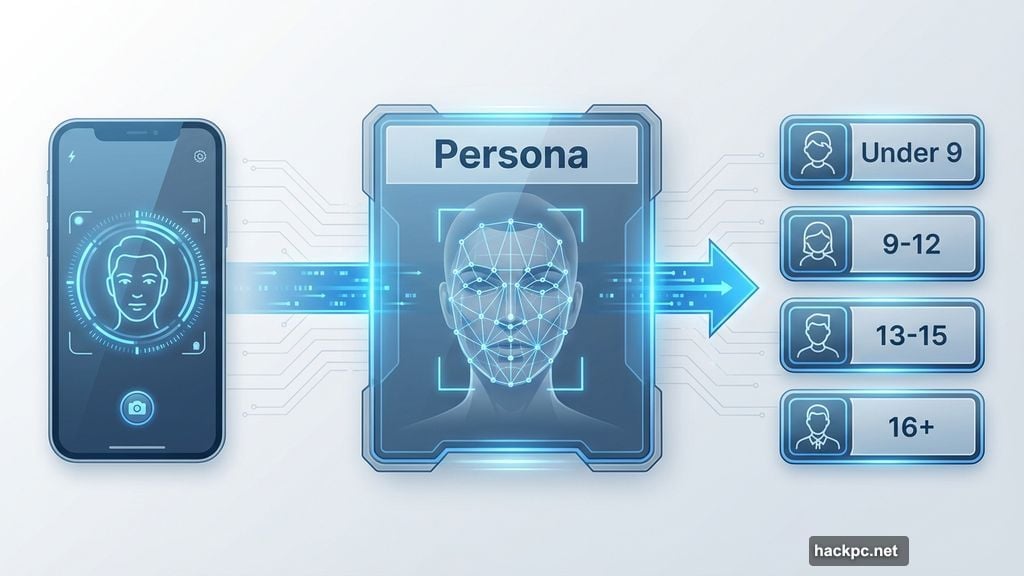
Roblox partnered with Persona for the age estimation technology. The same company handles age checks for Reddit.
Here’s how it works. Users upload a selfie. The facial scan analyzes age markers. Then the system assigns you to an age bracket. Simple, fast, and surprisingly accurate based on early testing.
But what if the scan gets it wrong? You have options. Users can appeal through ID verification instead. Parents can also manually update their child’s age through parental controls.
Chat Groups Now Separated by Age
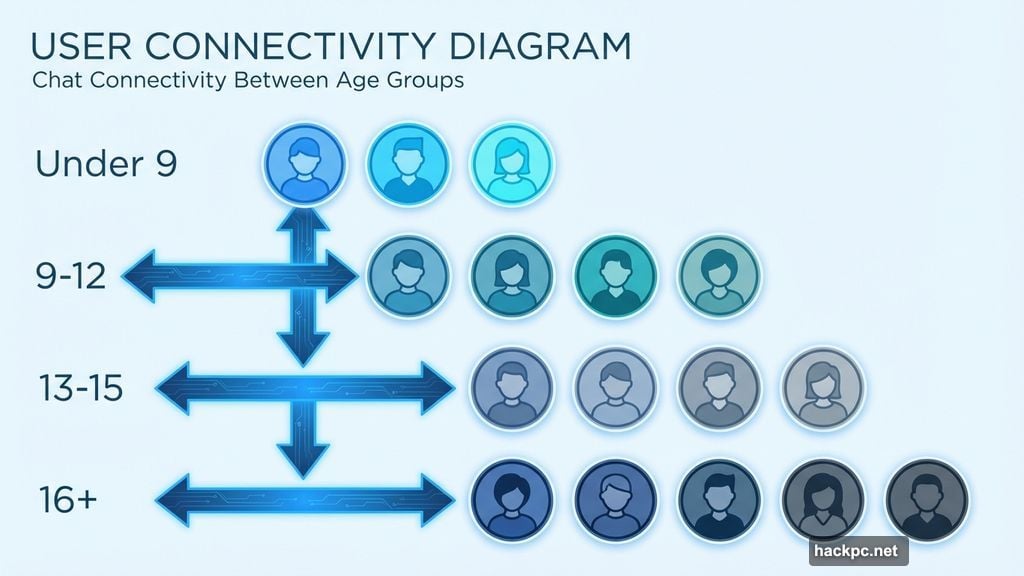
Once verified, you can only chat with specific age ranges. The system creates four main groups: under 9, 9-12, 13-15, and 16+.
Each group connects with adjacent brackets. So 9-12 year olds chat with their own group, plus under 9 and 13-15 users. This creates overlap while maintaining age-appropriate boundaries.
However, the youngest users face stricter rules. Anyone under 9 needs explicit parental consent before accessing chat features at all.
Adoption Rates Beat Expectations
Roblox reported strong early compliance. Over 50% of daily active users in test regions completed age checks within weeks.
“Tens of millions of daily active users have already completed an age check,” the company stated. Those are big numbers for a requirement that only launched globally this week.

The test markets showed higher adoption than expected. That likely encouraged Roblox to accelerate the global rollout. When users actually comply with safety measures, platforms tend to push them faster.
Growing Legal Pressure Drove Changes
This move didn’t happen in a vacuum. Multiple states filed lawsuits against Roblox in 2025 over child safety failures.
Texas sued specifically for inadequate child protection. Other states followed with similar complaints. The legal pressure mounted throughout the year.
So Roblox responded with multiple safety updates. Age verification for chat was just one piece. They also restricted sexual content and expanded parental controls significantly.
Why This Matters for Gaming Platforms
Roblox hosts 77 million daily active users. Most are children and teenagers. That makes it a massive target for both predators and regulators.
Age verification adds friction. Users hate extra steps. But platforms face an impossible choice: implement safeguards or face shutdowns and massive fines.
Moreover, this sets precedent. If Roblox successfully implements mandatory age checks, expect other gaming platforms to follow. Discord, Fortnite, and Minecraft could be next.
The technology exists now. Facial age estimation works well enough for broad categorization. So the barrier isn’t technical anymore. It’s about willingness to implement versus fear of losing users.
Real-World Impact on Players
Verified users gain peace of mind. Parents can feel more confident their kids chat with age-appropriate peers. That’s valuable for a platform criticized for safety issues.
But false positives will happen. Some teens might get categorized as younger. Some kids might scan older. The appeals process helps, but it adds complexity.
Also, privacy concerns remain. Facial scans collect biometric data. Where does Persona store that information? How long do they keep it? Roblox needs transparency here to build trust.
What Comes Next
Expect refinement. Early adopter feedback will highlight problems. Roblox will adjust age brackets, appeal processes, and scanning accuracy based on real usage.
Other platforms are watching closely. If this works without killing engagement, everyone will copy it. If users revolt and abandon Roblox, competitors will find different approaches.
Meanwhile, regulators won’t stop here. Age verification for chat is just the beginning. Expect pressure for age checks on content creation, marketplace transactions, and friend requests too.
The gaming industry just entered a new era. Child safety measures are no longer optional. They’re becoming table stakes for platforms that host young users.
Roblox moved first on mandatory age verification. That decision will either look brilliant or disastrous by year’s end. Either way, it’s reshaping how millions of kids interact online.

Comments (0)