

Slackbot just became an AI agent. Not a chatbot. Not a fancy autocomplete tool. An actual AI agent that handles tasks across your entire enterprise software stack.
Salesforce rolled out this massive upgrade Tuesday. Business+ and Enterprise+ customers get access now. And according to CTO Parker Harris, this isn’t just another feature update. It’s a complete reimagining of what Slackbot can do.
What Changed Under the Hood
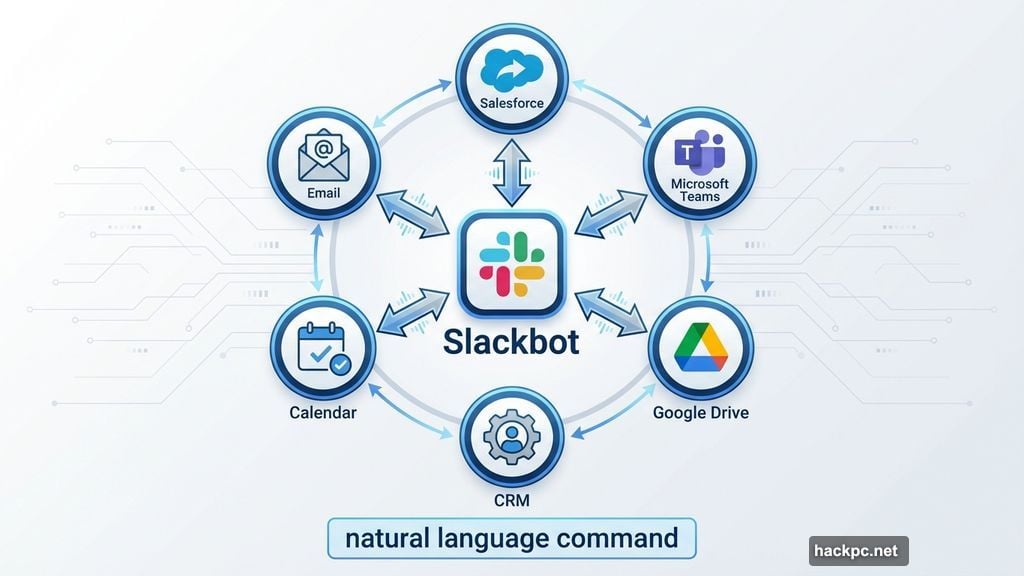
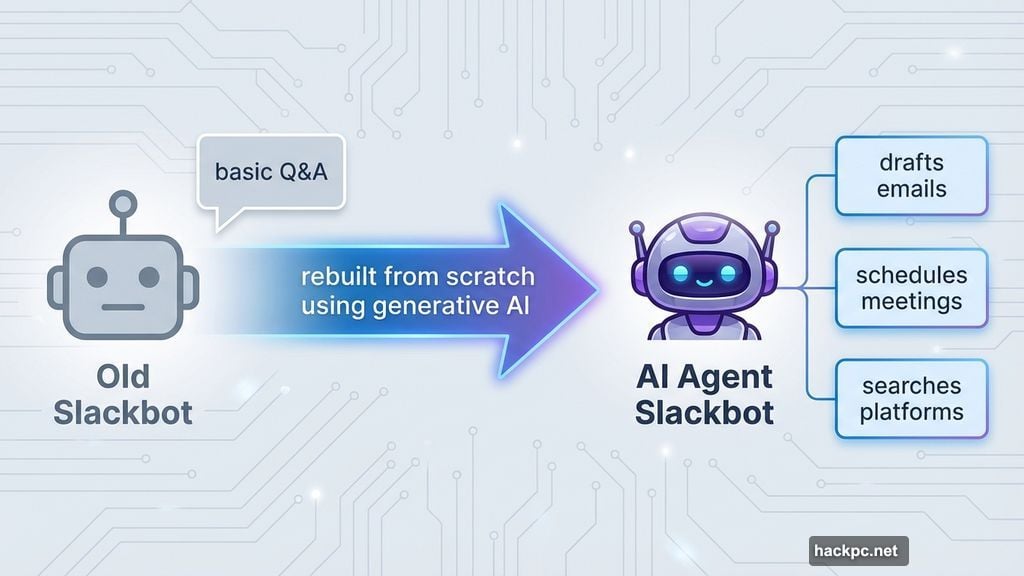
The new Slackbot doesn’t just answer basic questions anymore. It drafts emails, schedules meetings, and digs through information across multiple platforms. Plus, it connects to Microsoft Teams and Google Drive if you grant permission.
That last part matters. Most workers juggle five or six different enterprise apps daily. Switching between tabs kills productivity. So Slackbot now brings data from those other tools directly into Slack.
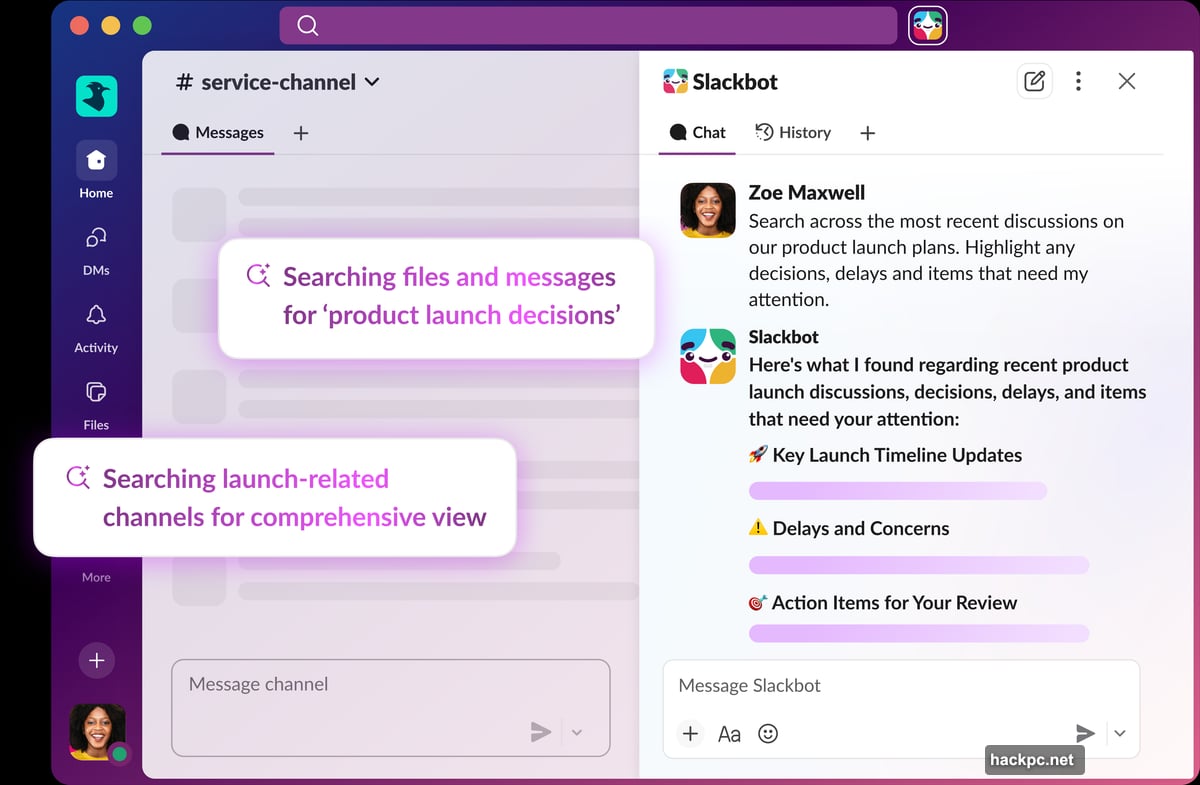
Harris told TechCrunch this version shares almost nothing with the old Slackbot except the name. They kept the name because people already knew it. But everything else? Rebuilt from scratch using generative AI.
Why Salesforce Bet Big on This
Enterprise software companies are locked in an AI arms race right now. Everyone’s scrambling to add AI features before competitors steal market share. Salesforce announced this revamped Slackbot back in October at Dreamforce. Now it’s finally shipping.
Harris wants Slackbot to spread like ChatGPT did. That’s a bold goal. But internal adoption numbers suggest they might pull it off. Salesforce employees tested Slackbot for months before release. Harris said it became their most-adopted internal tool ever.
“Adopted, not mandated, in corporations,” Harris emphasized. That distinction matters. Lots of enterprise software gets forced on workers who never actually use it. Slackbot’s internal success suggests people actually want to use this thing.
What Works Right Now
The current version handles several key tasks. It searches for information across connected platforms. It drafts messages and emails based on context. It schedules meetings by checking calendars and finding open slots. And it does all this through natural language commands in Slack.
That last point is crucial. You don’t need to learn special commands or syntax. Just ask Slackbot like you’d ask a coworker. The AI figures out what you need and handles it.
However, this version only works through text right now. No voice commands yet. No browsing the internet alongside you. Those features are coming later, according to Harris.
The Bigger Picture
Salesforce is betting heavily on AI agents across their entire product lineup. Slackbot represents just one piece of that strategy. They’re building similar agent capabilities into their CRM, marketing tools, and other enterprise products.
Why the aggressive push? Because enterprise AI adoption is accelerating fast. Companies that lag behind risk losing customers to competitors with better AI tools. So Salesforce is racing to add AI features everywhere possible.
Harris believes investing in Slackbot benefits not just Slack but Salesforce’s entire product ecosystem. That makes sense. If Slackbot becomes indispensable, companies are more likely to adopt other Salesforce products that integrate with it.
What Comes Next
Harris outlined ambitious plans for Slackbot’s future. Voice capabilities top the list. Imagine asking Slackbot questions out loud during meetings instead of typing. That would make it far more useful for remote teams.
They also want Slackbot to browse the internet. Right now it only accesses data from connected enterprise apps. But if it could search the web too, it would become even more powerful. Need to fact-check something during a conversation? Ask Slackbot.
Whether Slackbot becomes as viral as ChatGPT remains to be seen. But Salesforce is clearly committed to making it a central part of how people work. And if internal adoption is any indicator, they might actually succeed.
Enterprise AI agents are here. They’re not coming someday. They’re shipping now. Companies that figure out how to use them effectively will have a real advantage. Those that don’t? They’ll be playing catch-up for years.


Comments (0)