
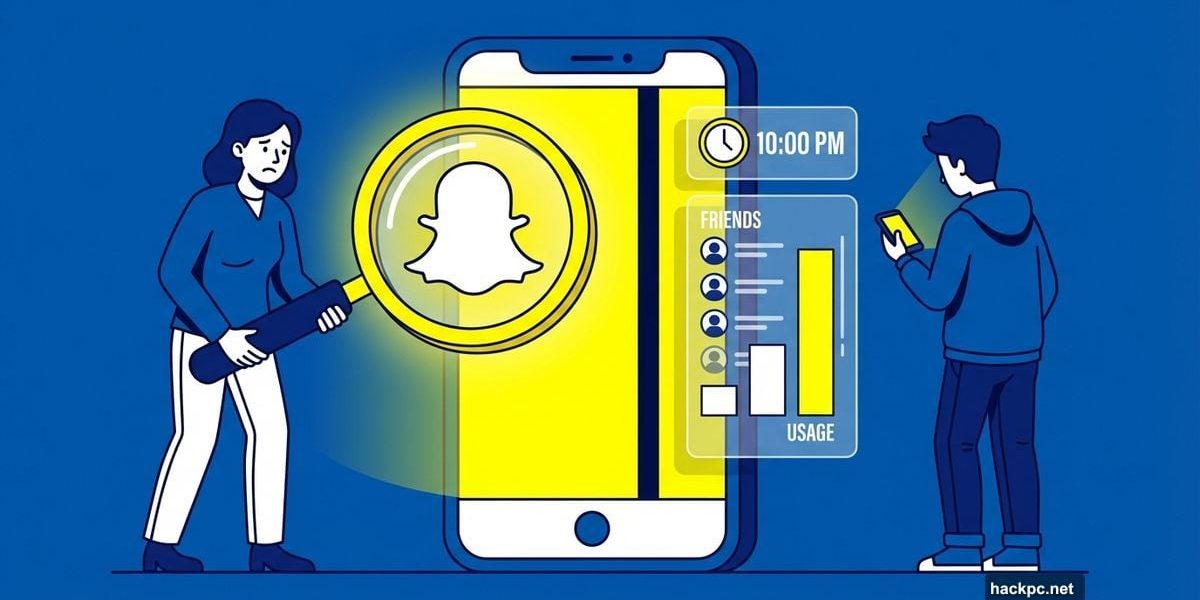
Snapchat just rolled out deeper parental controls. The timing? Two days after settling a lawsuit claiming the app fuels teen addiction.
Parents can now peek inside their teen’s Snapchat habits like never before. The new Family Center features show exactly how much time teens spend scrolling, who they’re adding as friends, and how those connections formed. It’s a clear move to calm worried parents and pressure from regulators.
Screen Time Gets a Microscope
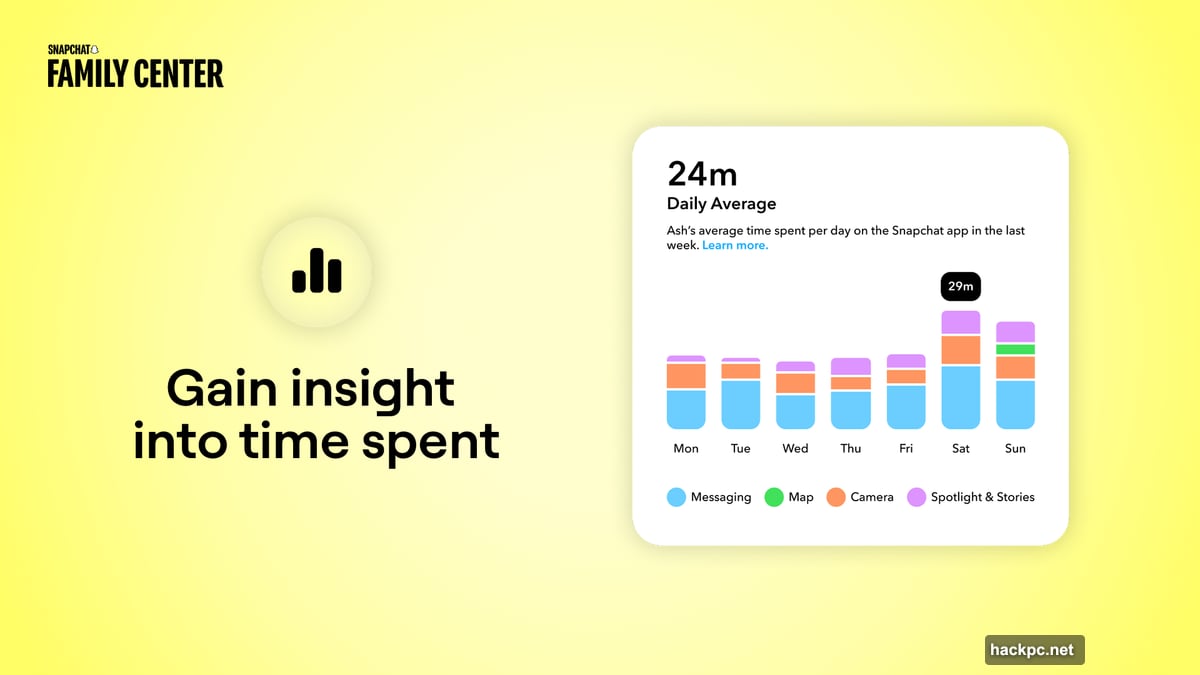
Parents now see average daily Snapchat usage for the previous week. But it goes deeper than a simple number.

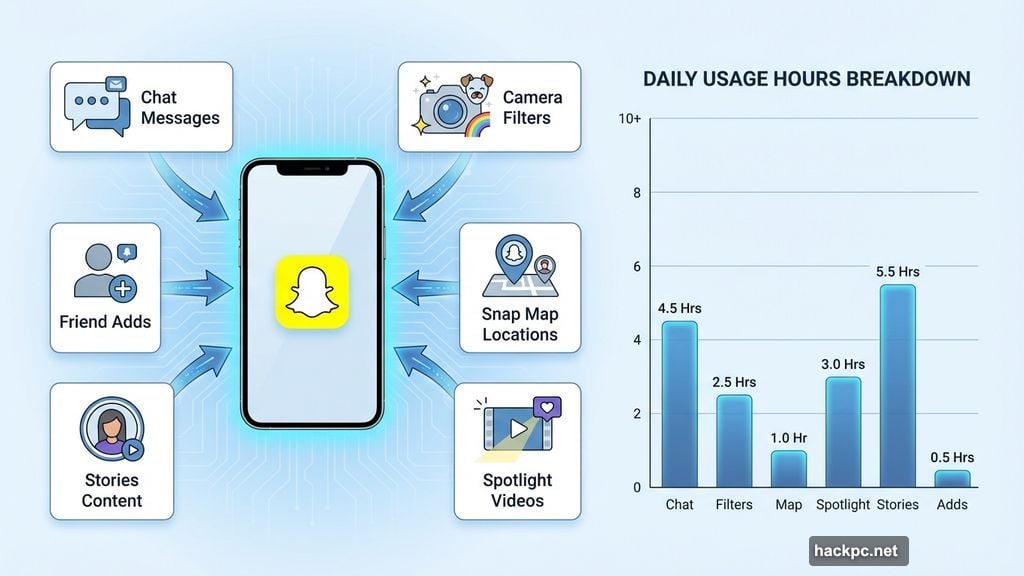
The breakdown shows time spent across different app sections. Chatting with friends. Taking snaps. Playing with camera filters. Checking Snap Map locations. Watching Spotlight videos or Stories content.
This granular view helps parents spot patterns. Maybe your teen spends three hours daily watching Spotlight. Or perhaps they’re constantly checking friend locations on the map. That specific data makes conversations more productive than “you’re on Snapchat too much.”
Friend Connections Get Context Clues
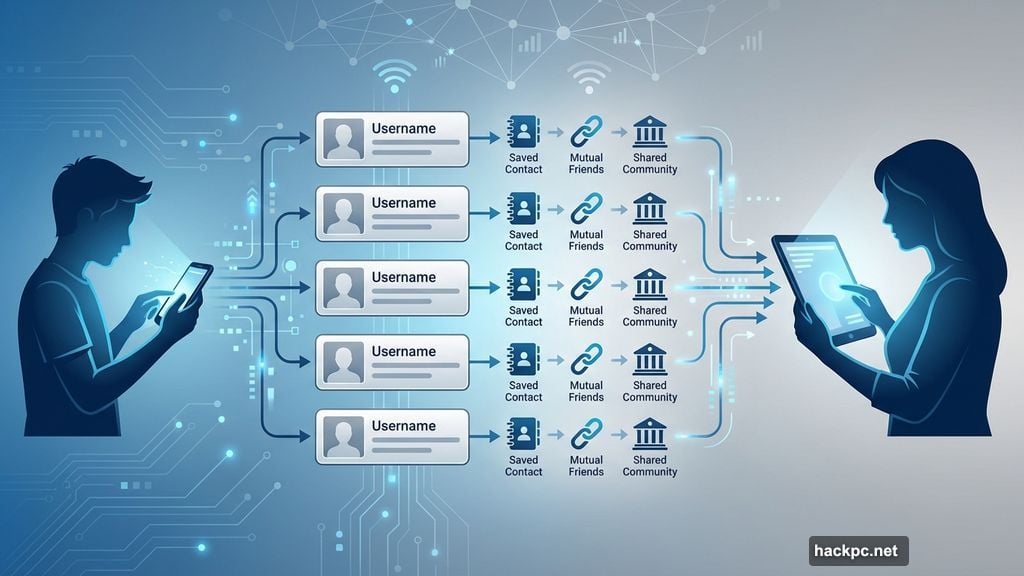
Family Center already let parents see their teen’s full friend list. Now it reveals how those friendships likely started.
Parents can check if new friends share mutual connections. They’ll see whether the person is saved in their teen’s contacts. Or if they belong to shared communities like school groups or sports teams.
“These trust signals make it easier for parents to understand new connections,” Snap explained in a blog post. The company wants parents feeling confident their teen chats with real-life acquaintances, not strangers.
Spot an unfamiliar name? You’ve got context to start asking questions. It beats the old approach of seeing random usernames with zero background information.
Why the Sudden Transparency Push
This launch follows a messy week for Snap. The company settled a lawsuit filed by a 19-year-old who accused social platforms of designing addictive features that damaged mental health.
That case included Meta, YouTube, and TikTok too. But only Snap settled so far. The others head to jury selection soon.
Plus, Snap still faces other addiction lawsuits. Court documents revealed employees flagged mental health risks to teens nine years ago. The company claims those examples were “cherry-picked” and lack context.
Family Center itself launched in 2022 under regulatory pressure. Snap has steadily added features since then. Parents can now see recent chat contacts, set daily time limits, and block access to the My AI chatbot.
The Bigger Pattern Nobody Misses
Social platforms keep adding parental controls after legal trouble hits. It’s a predictable cycle at this point.
Companies build engagement-maximizing features. Regulators and parents raise safety concerns. Lawsuits follow. Then platforms add monitoring tools and call it progress.
But here’s what bothers me. These tools arrive years after problems emerge. Internal documents show Snap knew about teen mental health risks back in 2017. Yet meaningful parental controls didn’t launch until 2022.
That five-year gap matters. Millions of teens used the platform without these safeguards. The new features help current families. But they don’t erase the past or prevent future issues from developing before anyone notices.
Parents now have better visibility into teen Snapchat use. That’s genuinely useful. Just remember it came after years of pressure, lawsuits, and documented concerns that went unaddressed.




Comments (0)