
Spotify went dark for thousands of users this morning. One minute, playlists worked fine. The next? Complete silence.
My boyfriend texted me the dreaded question: “Is your Spotify down?” Sure enough, his account was dead. Mine too. So were thousands of others across the country.
Downdetector lit up with over 10,000 reports from frustrated users. People couldn’t stream music, access playlists, or even open the app properly. The outage hit hard during Monday morning commutes when most people rely on Spotify to survive traffic.
Spotify Scrambled to Fix It
The company’s status account on X acknowledged the problem at 9:45 AM ET. Their message was brief: “We’re aware of some issues right now and are checking them out!”
That’s corporate speak for “yes, everything’s broken, and we’re panicking too.” But at least they responded quickly instead of staying silent for hours.
The good news? Spotify resolved the outage within an hour. By 10:34 AM ET, the company confirmed that service was restored. Most users could stream music again without issues.
Still, an hour without music feels like forever when you’re stuck in morning traffic or trying to focus at work. Plus, the outage revealed how dependent we’ve become on streaming services for basic daily functions.

What Actually Caused the Crash
Spotify hasn’t explained what went wrong. That’s typical for tech companies during outages. They fix the problem first, then investigate the root cause later. Sometimes they share details. Often they don’t.
Could be server issues. Maybe a bad software update. Or perhaps network problems with their cloud infrastructure. Without official word, we’re left guessing.
The timing was rough. Monday mornings are peak usage hours for Spotify. People starting their workweek need background music to stay sane. So an outage during this window affects millions of daily routines.
Streaming Services Go Down More Often Than You Think
Spotify outages aren’t rare. The platform experiences periodic issues several times per year. Most last only minutes. But occasional problems stretch for hours.
Other streaming services crash too. Apple Music, YouTube Music, and Amazon Music all face similar technical hiccups. That’s the reality of relying on cloud-based services for entertainment.
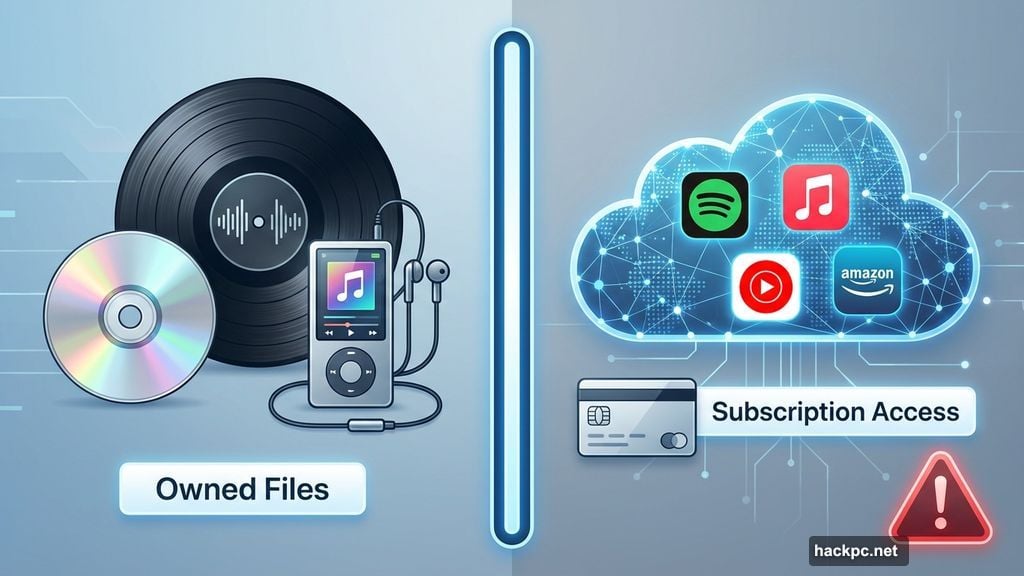
Yet we’ve built our lives around these platforms. We don’t own music files anymore. We rent access through subscriptions. So when servers fail, our entire music libraries disappear instantly.
That dependency creates vulnerability. One technical glitch, and thousands lose access to the soundtracks of their lives. It’s convenient until it isn’t.
The Lesson Nobody Wants to Hear
This outage reminds us that streaming services aren’t bulletproof. They’re complex systems running on servers that can fail. Software updates introduce bugs. Networks experience congestion. Human errors cause problems.
So what’s the backup plan when Spotify crashes again? Most people don’t have one. We’ve deleted our MP3 collections. We’ve stopped buying albums. We trust that streams will always flow.
Maybe keep some downloaded playlists for emergencies. Or maintain a small local music collection for critical moments. It sounds old-fashioned. But it beats sitting in traffic without your morning podcast.
The service is back now. Crisis averted. But next time your boyfriend texts “Is your Spotify down?”, you’ll know you’re not alone. And you’ll know it’ll probably be fixed within an hour.
Still frustrating though.



Comments (0)