
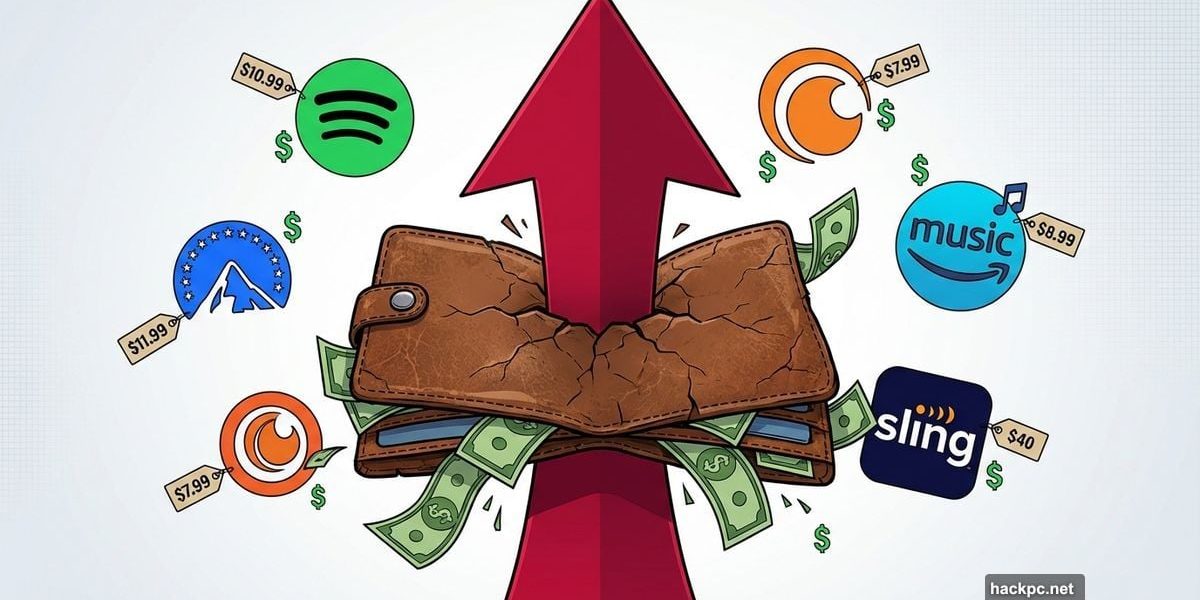
Your favorite streaming services just got more expensive. Again.
Spotify, Paramount Plus, Crunchyroll and others already raised prices in early 2026. Plus, more increases are probably coming. So if you’re wondering why your entertainment budget keeps shrinking, you’re not imagining things.
Let’s break down every streaming price hike so far. Then we’ll talk about what you can actually do about it.
Crunchyroll Hits Fans With First Increase Since 2019
Anime lovers just got hit hard. Crunchyroll raised prices across all ad-free tiers in February 2026. Moreover, the company killed its free, ad-supported option about a month earlier.
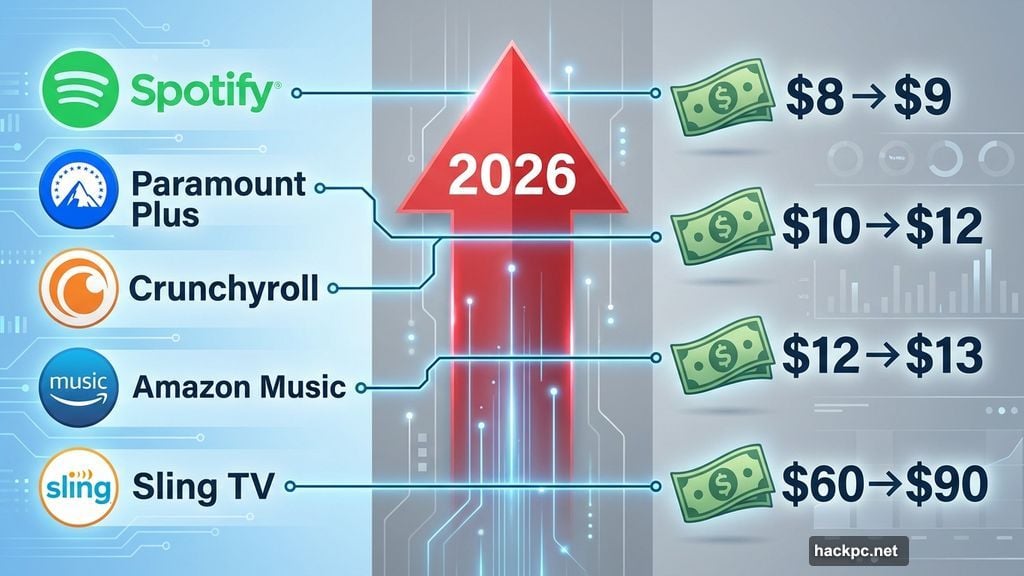
The damage? Fan plans jumped to $10 monthly. Mega Fan climbed to $14. Ultimate Fan now costs $18. That’s a $2 increase across the board.
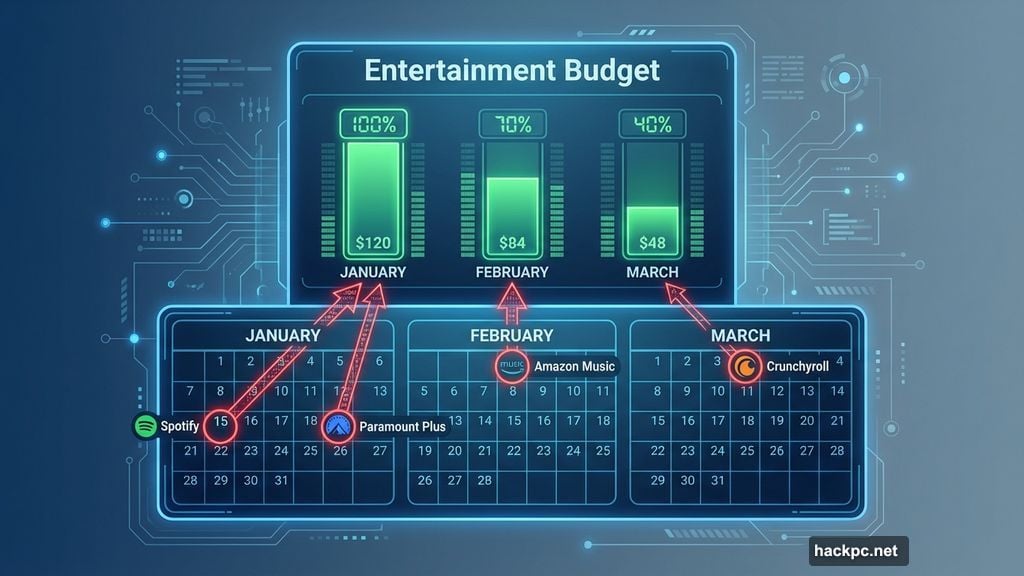
New subscribers pay these rates immediately. Current fans start paying more on March 4. For many anime watchers, this marks the first price change since 2019. But that seven-year break just ended abruptly.
Amazon Music Quietly Bumps Monthly Fees
Amazon Music Unlimited increased prices in early February. Individual plans rose to $13 monthly. Prime members pay $12. That’s a $1 bump for both tiers.
Family plans hurt more. They jumped $2 to $22 per month. The changes kicked in February 3 for newcomers. Existing subscribers will see higher bills on or after March 5.
Plus, this isn’t Amazon’s first rodeo. They also raised prices in 2025. So if you’re keeping track, that’s two increases in roughly 12 months.
Paramount Plus Sneaks in January Hike
Paramount Plus announced its increase way back in November 2025. Then they actually implemented it in mid-January 2026. Sneaky timing, right?
Essential with ads climbed from $8 to $9 monthly. Annual plans jumped even more dramatically. They went from $60 to $90 per year. That’s a 50% yearly increase.
Premium ad-free rose to $14 monthly. The annual option now costs $140. Previously, it was $13 per month or $120 per year. So monthly subscribers saw a smaller percentage increase than annual ones.
Spotify Adds Another Dollar to Premium
Spotify joined the party on January 15. Individual Premium plans increased by $1 to $13 monthly. Other tiers rose too.
Premium Duo now costs $19. Family plans hit $22. Even Premium Student climbed to $7. For new users, these prices started immediately. Current subscribers got billed more in February.
Meanwhile, Spotify keeps expanding its podcast and audiobook offerings. But subscribers are questioning whether those extras justify constant price increases.
Sling TV Complicates Regional Pricing
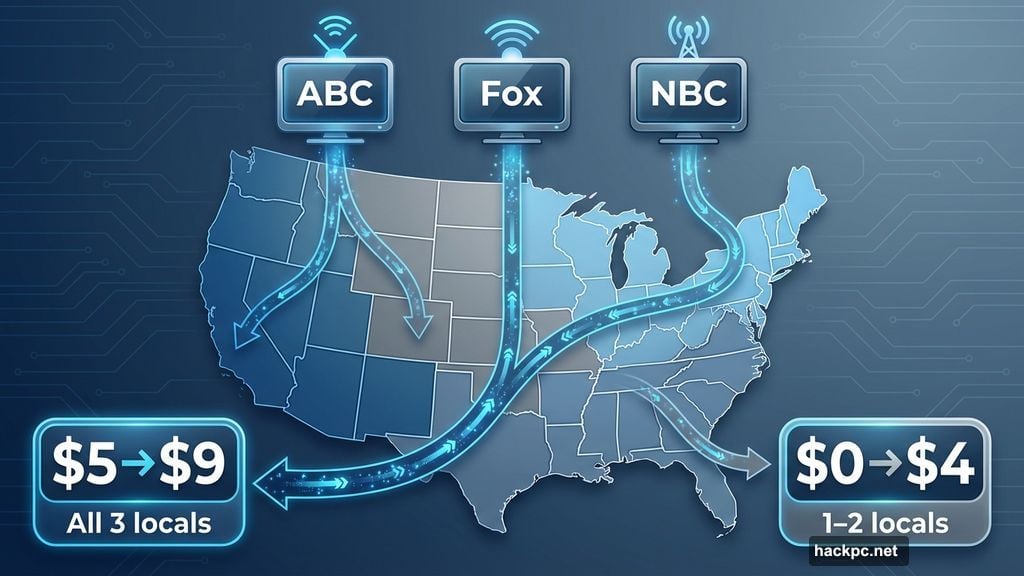
Sling TV made things confusing with its January changes. Blue package pricing now depends on which local channels you receive. This affects ABC, Fox and NBC availability in your market.
If you get all three locals, Blue costs $9 extra. Previously, it was $5. Got just one or two locals? That’s $4 extra instead of free. New customers saw changes immediately. Existing subscribers won’t pay more until their billing date on or after February 20.
This regional pricing model makes comparing costs nearly impossible. Your bill depends on where you live. That’s frustrating for consumers trying to budget.
Looking Back at 2025’s Brutal Increases
Last year brought plenty of pain too. HBO Max raised prices in October 2025. Basic with ads jumped to $11. Standard hit $18.50. Premium climbed to $23 monthly.
Disney unleashed the biggest hike of 2025. Disney Plus with ads rose to $12. Hulu with ads matched that at $12. Ad-free Disney Plus hit $19. Bundle prices increased across the board.
ESPN Select, DirecTV, Philo, Apple TV, Peacock and Netflix all raised prices too. In fact, Netflix increased its ad-supported plan for the first time since launching in 2022. That tier rose $1 to $8 monthly.
One Rare Price Decrease Appeared
Not everything went up. Fubo actually reduced prices during its dispute with NBCUniversal. Pro plans dropped $11 to $74 monthly. Elite fell to $84.
However, that decrease came with a catch. Subscribers lost access to NBCUniversal channels entirely. So you’re paying less but getting significantly less content. That’s hardly a win.
Why Prices Keep Rising
Streaming services claim they need higher revenue. Content production costs money. Licensing fees increase. Technology infrastructure requires investment. All true statements.
But here’s what bothers me. These companies promised to replace expensive cable. They marketed themselves as cheaper alternatives. Now many households spend more on streaming than they ever did on cable.
Moreover, services keep launching with unsustainably low prices. They attract millions of subscribers. Then they gradually increase prices once users are hooked. It’s a predictable pattern at this point.
Three Ways to Fight Back
You can’t stop companies from raising prices. But you don’t have to accept every increase passively. Here’s what actually works.
First, rotate your subscriptions. Don’t keep eight services running simultaneously. Subscribe to one for a month. Binge everything you want. Cancel. Move to another service. This strategy cuts your monthly spending dramatically.
Second, share accounts legally. Many services offer family plans that cost less per person. Split a Premium plan with friends or family. Make sure you’re following each service’s terms of service. But legitimate account sharing saves real money.
Third, hunt for bundle deals. Verizon, T-Mobile and other carriers offer streaming bundles with phone plans. Student discounts exist for several services. Annual plans sometimes save money versus monthly billing. These deals require research but deliver savings.
The Uncomfortable Truth
Streaming prices will keep climbing. Companies know most subscribers won’t cancel over a $1 or $2 increase. So they implement small hikes frequently rather than large ones occasionally.
Plus, Wall Street demands profitability. Streaming services spent years losing money to build subscriber bases. Now investors want returns. That means higher prices for you.
The golden age of cheap streaming is over. We’re entering an era where streaming costs rival or exceed traditional cable. That’s the reality. The question is how you’ll adapt your viewing habits to this new normal.

Comments (0)