
Streaming bills are going up again. Spotify, Prime Video, Crunchyroll, Paramount Plus, and several others have already raised prices in 2026, and the year is barely getting started.
It’s becoming a familiar pattern. Every January brings a fresh wave of subscription increases, and 2026 is no different. So if your monthly entertainment budget feels tighter than it did last year, you’re not imagining it. Here’s a full breakdown of every hike worth knowing about, plus one rare piece of good news tucked at the end.
Prime Video Ad-Free Tier Gets Pricier in April
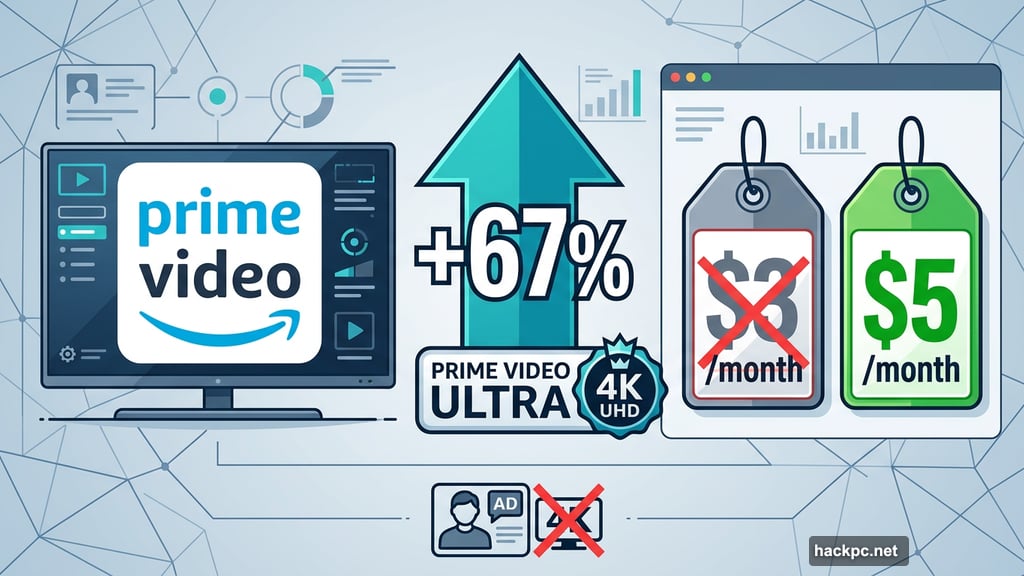
Amazon is making its ad-free streaming more expensive starting April 10, 2026. The monthly fee to remove ads from Prime Video jumps from $3 to $5. That’s a 67% increase for the same basic benefit.
Plus, Amazon is rebranding the ad-free option as Prime Video Ultra. The new branding comes with a perk and a catch. On the upside, 4K UHD streaming quality is now part of the package. On the downside, 4K will become exclusive to Ultra subscribers, meaning ad-supported viewers lose access to that resolution.
Crunchyroll Raises Anime Subscription Costs
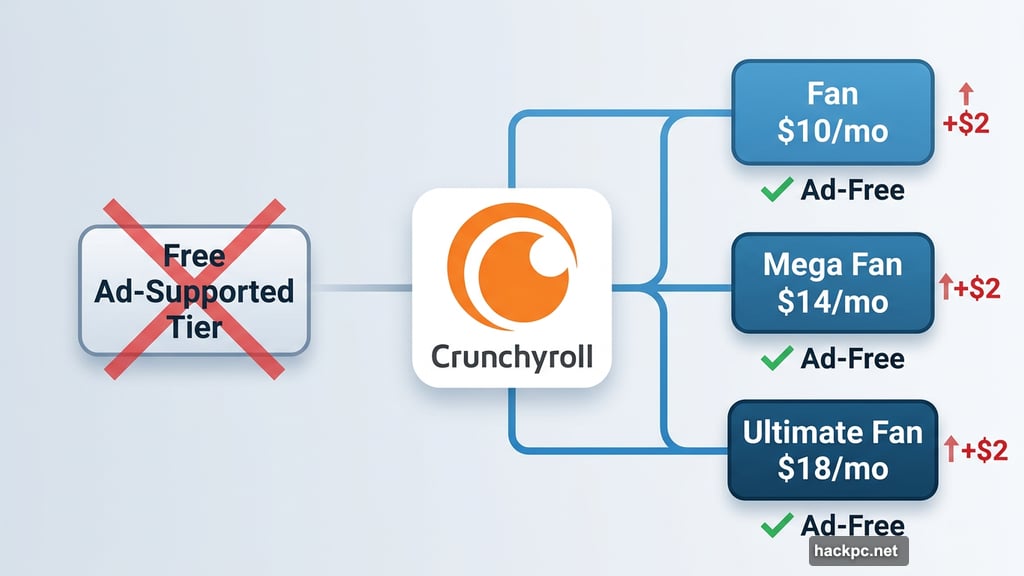
Crunchyroll increased its subscription prices in February 2026 for the first time at the Fan tier since 2019. New customers saw the change on February 2. Existing subscribers started paying more on March 4.
All three ad-free plans went up by $2 each. Fan now costs $10 per month, Mega Fan runs $14, and Ultimate Fan lands at $18. This comes shortly after Crunchyroll shut down its free, ad-supported tier entirely in January, leaving fans with fewer low-cost options.
Amazon Music Unlimited Costs More Too
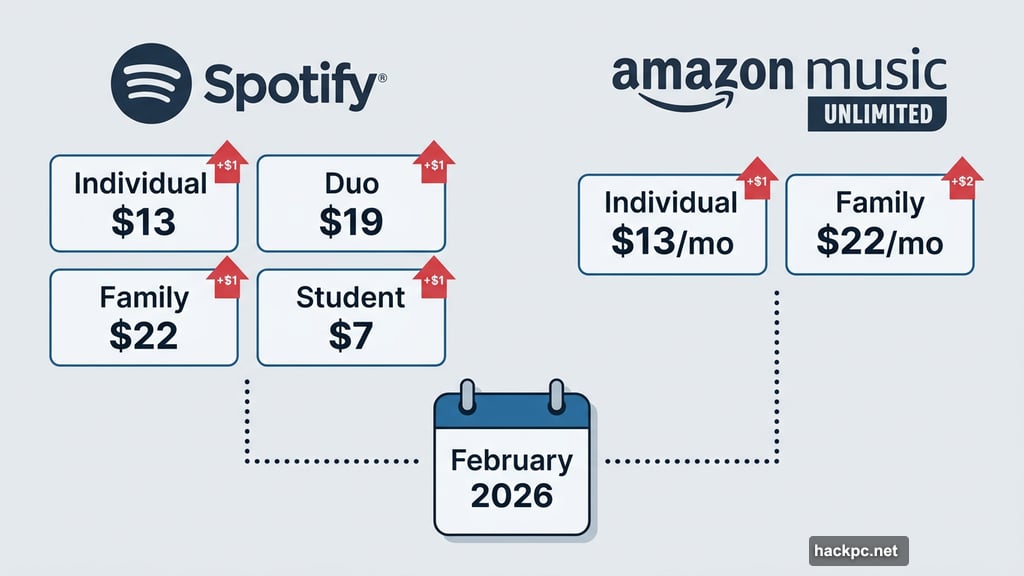
Amazon Music Unlimited Individual plans rose by $1 to $13 per month, or $12 per month for Prime members. Family plans climbed $2 to $22 per month. New customers paid the higher rate starting February 3, while existing subscribers saw changes on or after March 5.
Worth noting: Amazon Music already adjusted pricing in 2025 as well. So this is the second increase in about a year.
Paramount Plus Quietly Hiked Prices in January
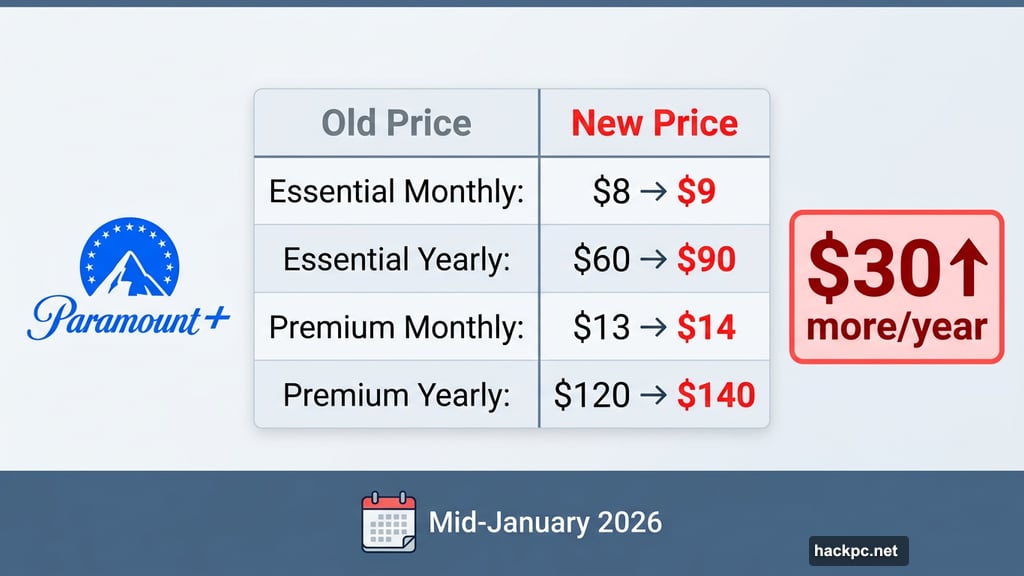
Paramount Plus raised prices in mid-January, though the announcement came back in November 2025. The ad-supported Essential plan moved from $8 to $9 per month, and from $60 to $90 per year. The ad-free Premium tier went from $13 to $14 per month, and from $120 to $140 per year annually.
That annual price jump is the steepest part. Essential subscribers paying yearly now pay $30 more than before.
Spotify Individual and Family Plans Get $1 Bumps
Spotify announced its price hike on January 15. Individual Premium subscribers now pay $13 per month, up $1. Premium Duo rose to $19, Premium Family to $22, and Premium Student to $7. New customers paid the updated prices immediately, while existing subscribers transitioned in February.
Sling TV Blue Packages Rise in Certain Markets
Sling TV adjusted pricing specifically for its Blue packages in markets where local ABC, Fox, or NBC stations are available. If you get all three local channels, you now pay $9 extra per month, up from $5. If you get one or two locals, that fee jumped from $0 to $4.
New customers saw the change in January. Existing subscribers weren’t affected until their billing cycle on or after February 20.
2025 Streaming Price Hikes Still Affecting Bills
Several major services raised prices last year, and those increases are still very much active. Here’s a quick recap of what changed.
HBO Max raised prices in October 2025. The ad-supported Basic tier went from $10 to $11 per month. Standard (ad-free) climbed from $17 to $18.50, and Premium (ad-free) jumped from $21 to $23. Existing customers saw changes starting November 20.
Disney Plus, Hulu, and ESPN Select all got more expensive on the same day as HBO Max, October 21. Disney Plus with ads went from $10 to $12 per month, ad-free jumped from $16 to $19. Hulu with ads rose from $10 to $12. ESPN Select increased from $12 to $13. Hulu Plus Live TV alone climbed from $82 to $89 per month. Interestingly, ad-free Hulu and the ad-free Disney Plus and Hulu bundle stayed flat.
Peacock raised both its tiers by $3 in July 2025. Premium now runs $11 per month and Premium Plus costs $17. Annual plans increased by $30 each.
Netflix kicked off 2025 with its own increases. The Standard with Ads plan rose $1 to $8 per month. The ad-free Standard climbed $2.50 to $18, and Premium went up $2 to $25.
Apple TV (formerly Apple TV Plus) got a $3 price increase in August 2025, bringing the ad-free service to $13 per month.
Philo raised its Core plan by $5 to $33 per month in September 2025, though it added ad-supported HBO Max and Discovery Plus access as part of the deal.
One Service Actually Cut Prices: Fubo
Amid a carriage dispute with NBCUniversal, Fubo did something almost unheard of in streaming. It actually reduced prices. The Pro and Elite monthly plans dropped by $11 to $74 and $84, respectively, with existing customers paying less starting January 1, 2026.
The trade-off is that NBCUniversal channels went missing during the dispute. So you pay less, but you get less too.
What to Do When Prices Keep Rising
Watching subscription costs pile up is frustrating, but you have options. Canceling and rotating services is one approach. Signing up for a service to binge one show, then pausing or canceling before the next billing cycle, can keep costs manageable.
Hunting for bundle discounts is another smart move. Many carriers and internet providers offer streaming bundles at reduced rates that fly under the radar.
And it’s worth honestly auditing what you actually watch. Most households pay for three to five streaming services but regularly use only one or two. Trimming the extras for a few months and revisiting when new content drops can save real money without much sacrifice.
Streaming subscriptions aren’t going back down. But you don’t have to absorb every increase without pushing back a little.




Comments (0)