
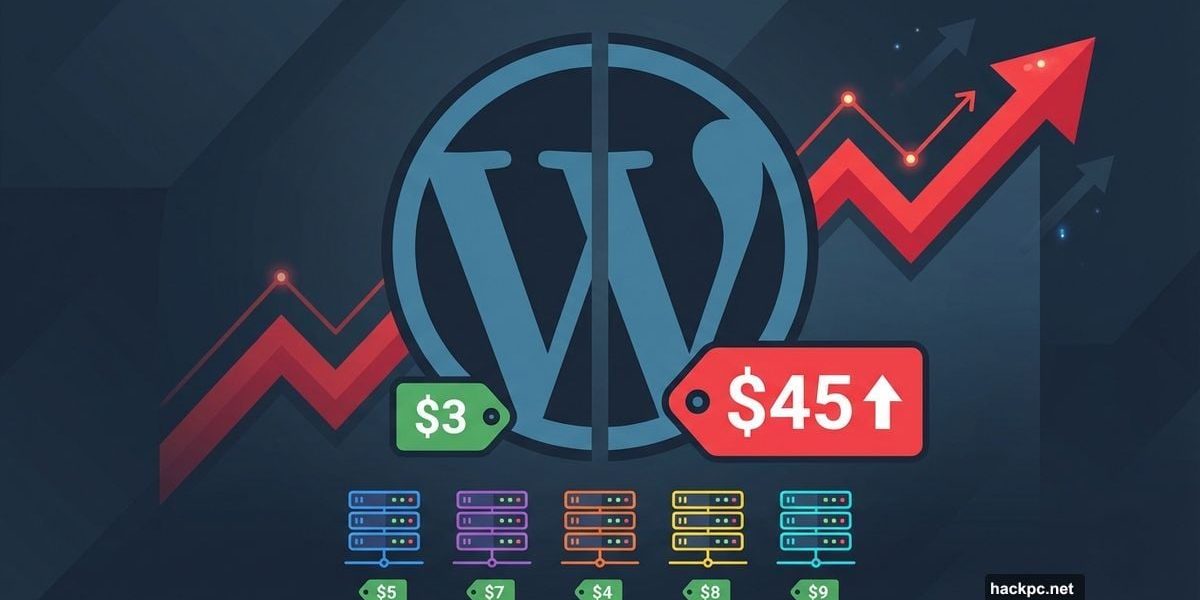
WordPress hosting got expensive fast. Plans that cost $3 monthly now hit $45 on renewal.
But here’s what hosting companies don’t advertise: a handful of providers still offer reasonable long-term pricing. Plus, they include features that used to cost extra. Let’s break down which hosts deliver actual value in 2026.
SiteGround Crushes Support But Kills Your Budget
SiteGround nails WordPress hosting features. Their guided setup walks you through theme selection and plugin installation. Then their proprietary optimizer plugins boost site speed automatically.
Customer support impressed me most. Representatives answered WordPress-specific questions in minutes. They even won multiple Stevie awards for service quality. That’s rare in web hosting.
But renewal pricing hits hard. The basic plan jumps from $3 to $18 monthly after year one. Business sites can justify that cost. Hobby bloggers? Probably not.
However, SiteGround includes daily backups standard. Most competitors charge extra for that. So you’re paying for premium features, not just the brand name.
Hostinger Delivers Speed Without the Premium Price Tag
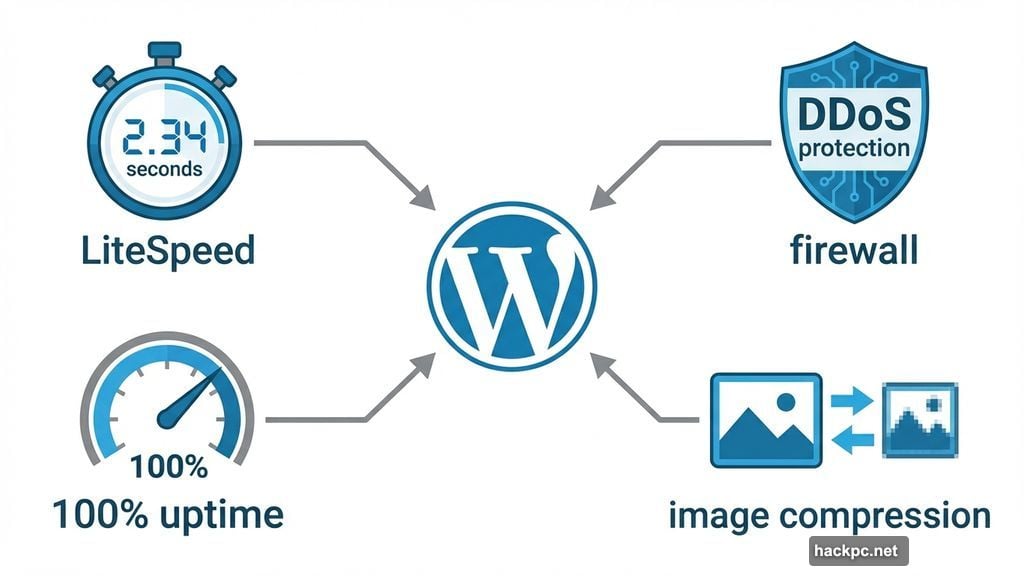
Hostinger proves budget hosting doesn’t mean garbage service. I tested their WordPress hosting for a week. Site speed averaged 2.34 seconds. Uptime hit 100%.
Those numbers match hosts charging three times more. Plus, Hostinger throws in LiteSpeed servers and automated image optimization. Features you’d normally install third-party plugins for.
The setup assistant guides new users through WordPress basics. Not as thorough as SiteGround’s walkthrough. But sufficient for most beginners.
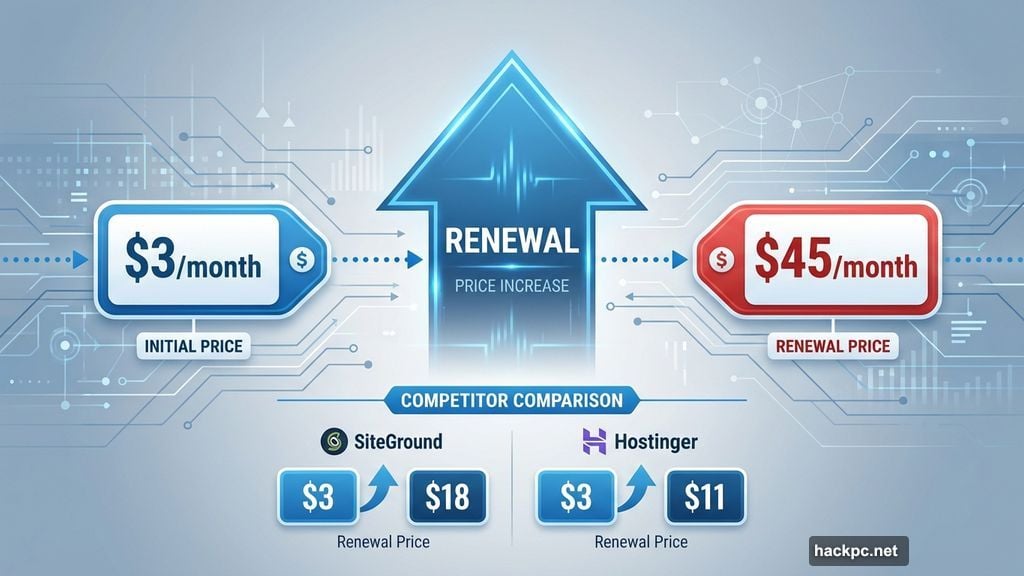
Moreover, Hostinger’s renewal pricing stays reasonable. The basic plan rises from $3 to $11 monthly. That’s half what SiteGround charges long-term.
One downside: customer service runs through AI chatbots first. I waited 30 minutes to reach a human. Frustrating when you need immediate help.
Liquid Web Targets Businesses With Performance Tools
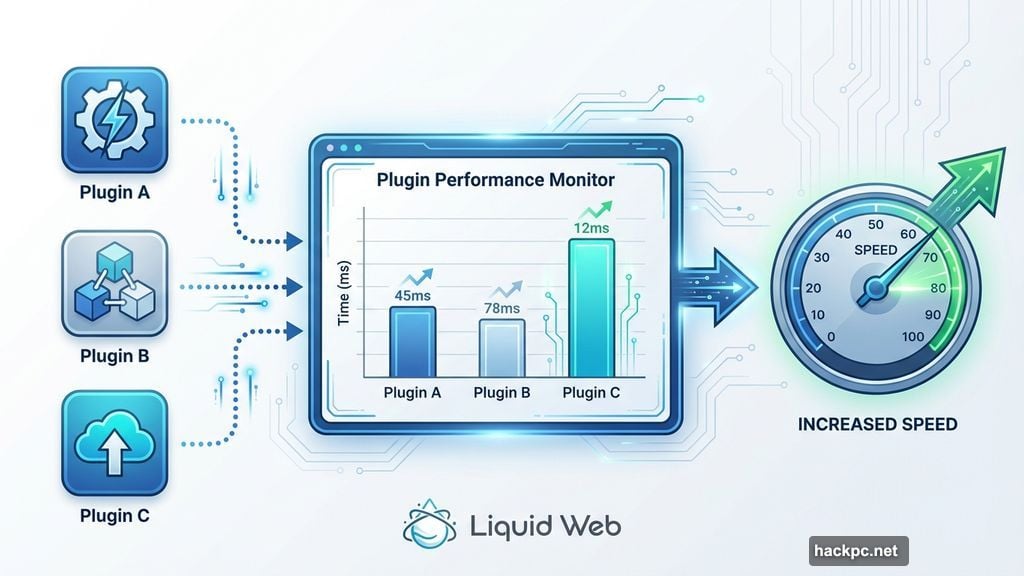
Liquid Web’s Plugin Performance Monitor separates it from competitors. This proprietary tool identifies which plugins slow your site down.
Then their image compression and caching protocols speed things up. I saw these optimizations work during testing. Sites loaded noticeably faster with minimal configuration.
The middle-tier Spark Thrive plan costs $8 monthly. That price doesn’t increase on renewal. Competitive for the features you get.
But skip the $4 basic plan. It lacks essential security features like DDoS protection and firewalls. The savings aren’t worth the vulnerability.
WooCommerce users benefit most from Liquid Web. Their e-commerce plans bundle premium marketing plugins valued at hundreds of dollars. You’re essentially getting expensive tools free.
Ionos Responds to Support Requests in Seconds
Ionos customer service agents answered my questions almost instantly. Both live chat and phone support connected me to knowledgeable representatives.
They also provide support numbers in 14 countries. Great for international users who prefer speaking their native language.
Beyond support, Ionos includes daily backups and malware scanning. Security features many hosts reserve for premium tiers. Plus, their AI site generator can build a basic WordPress site in minutes.
Renewal pricing stays affordable too. The Start plan jumps from $5 to just $6 monthly. That’s basically no increase.
One catch: introductory pricing requires a three-year contract. Longer commitment than alternatives demand.
AccuWeb Costs $2 Monthly Forever
AccuWeb’s annual plan costs $2 monthly. That rate never increases. Not on renewal. Not ever.
You’re getting LiteSpeed servers, daily backups and DDoS protection for less than a coffee. That’s absurd value for small websites.
The storage limit keeps sites small, though. Just 10GB total. Enough for about 100 pages. Bloggers and portfolio sites fit fine. Larger businesses need higher-tier plans.
AccuWeb doesn’t auto-update WordPress either. You’ll handle CMS maintenance yourself. Not ideal for beginners who want hands-off management.
But month-to-month pricing costs just $2.95. Most hosts charge $10+ for flexible contracts. So AccuWeb works great for temporary websites.
The Hidden Costs Nobody Mentions
Introductory pricing lures you in. Renewal costs drain your budget. That’s how hosting companies operate now.
SiteGround’s $3 monthly rate lasts one year. Then it jumps to $18. That’s a 500% increase. Other hosts pull similar tricks with three-year contracts.
Read the fine print carefully. Check renewal rates before purchasing. Calculate long-term costs based on how long you’ll run the site.
Also watch for storage limits. Budget plans offer 10-25GB typically. Sounds like plenty. But high-resolution images eat space fast. You might need to upgrade sooner than expected.
Finally, consider support quality versus price. Cheap hosting often means slow support. Or none at all. Sometimes paying $5 extra monthly saves hours of frustration.
WordPress.com Isn’t the Answer
WordPress.com and WordPress.org are different. WordPress.org powers the hosting plans we’re discussing. It’s open-source software you install on any host.
WordPress.com is a proprietary hosting service. They modified WordPress.org into something resembling visual website builders.
The free WordPress.com plan works for hobby blogs. Paid plans cost way too much for what you get. Plus, you can’t migrate to different hosting later.
Stick with WordPress.org hosting from companies like Hostinger or Ionos. You’ll maintain flexibility and pay reasonable rates.
What Actually Matters for Your Site
Most people overthink hosting features. Here’s what actually impacts your experience:
Storage determines site size. Each gigabyte holds roughly 100 small pages or 10 image-heavy pages. Budget accordingly.

Bandwidth limits monthly visitors. Though most hosts now offer “unlimited” bandwidth. That actually means “high enough you won’t hit the cap.”
Uptime affects accessibility. Anything above 99.9% keeps downtime under 4.5 minutes monthly. Acceptable for most sites.
Site speed impacts bounce rate. Aim for under three seconds. Anything slower loses visitors fast.
Support quality saves headaches. But only matters when problems arise. Which hopefully isn’t often.
Choose hosting that fits your budget and skill level. Then focus on creating good content. That matters more than marginal hosting differences.
My Take on the Current Market
Hosting companies keep raising prices while cutting features. It’s frustrating watching this industry trend.
But a few providers resist the race to the bottom. Hostinger delivers legitimate value. AccuWeb maintains stable pricing. Liquid Web justifies premium costs with actual premium tools.
So quality WordPress hosting still exists under $10 monthly. You just need to know where to look and what renewal rates actually cost long-term.
Choose based on your specific needs. Need hand-holding? Pay for SiteGround’s superior support. Want long-term affordability? Lock in Hostinger’s four-year rate. Building multiple client sites? Liquid Web’s tools save time.
The right host depends entirely on what you’re building and how much you’ll use it. There’s no universal “best” answer anymore.




Comments (0)