
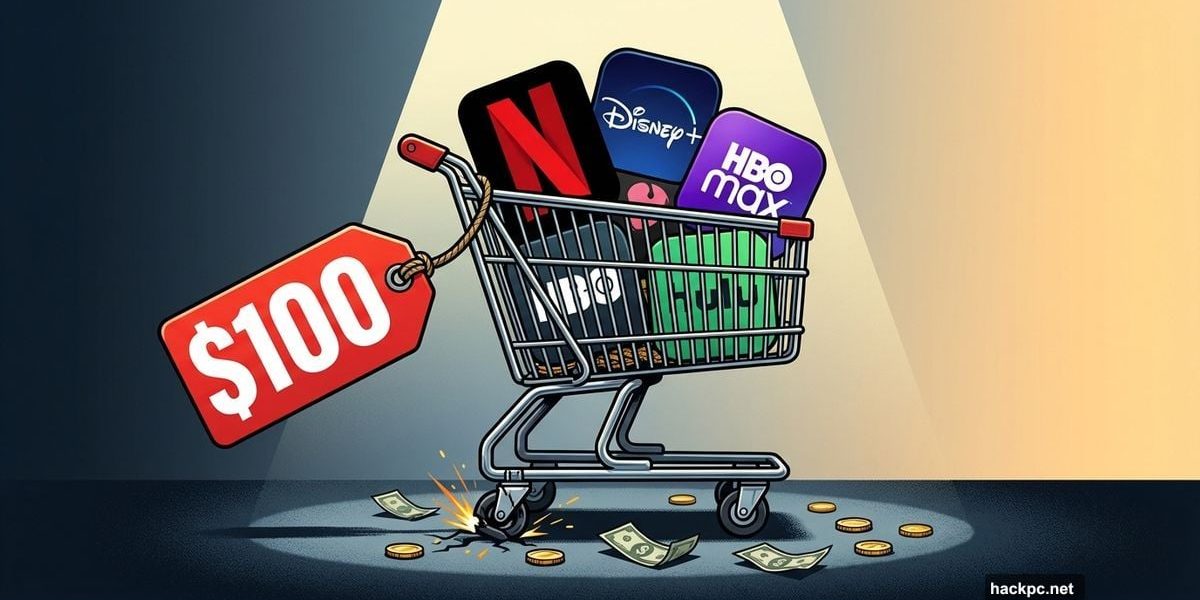
Streaming costs spiraled out of control. The average household now pays $90-100 monthly across multiple platforms.
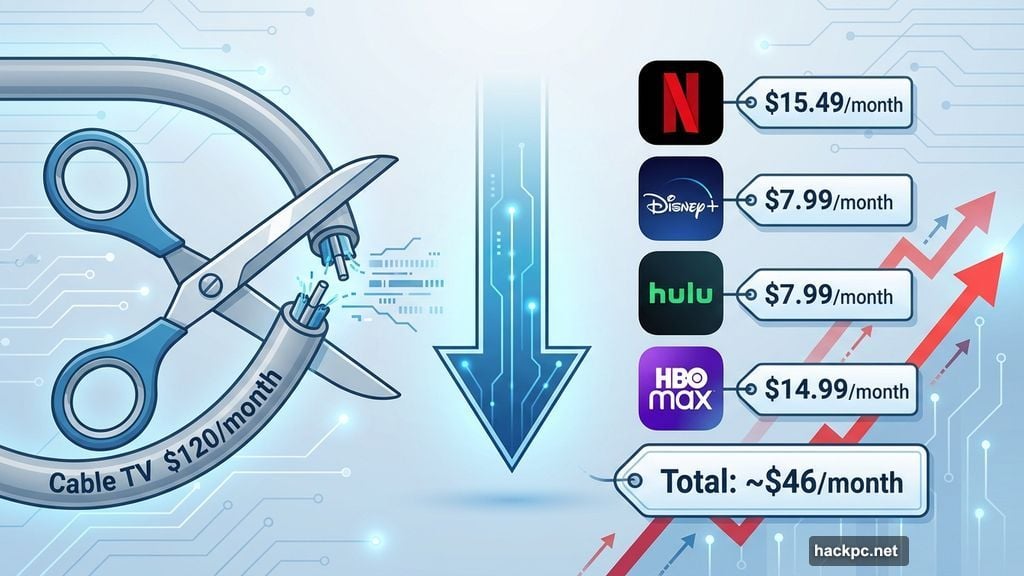
Remember when cutting cable meant saving money? That’s dead. Plus, every service keeps raising prices while splitting content across more apps. So the question isn’t which streamers to add anymore. It’s which ones actually earn their spot in your budget.
Let’s break down what’s worth keeping in 2026.
Netflix Still Dominates Original Content
Netflix remains the streaming heavyweight for good reason. Its catalog delivers consistent hits that actually get people talking.
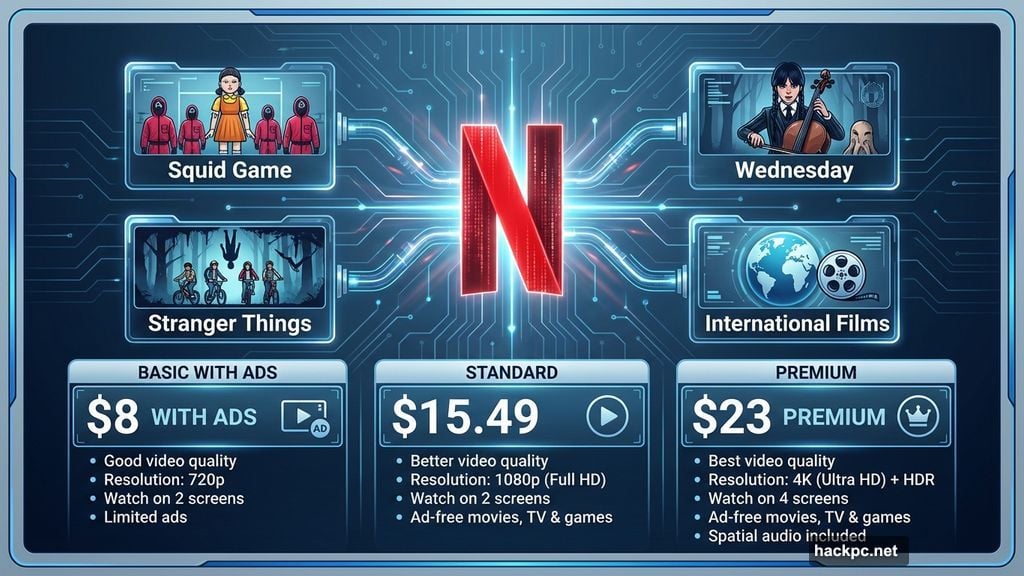
Shows like Squid Game, Wednesday and Stranger Things create genuine cultural moments. Plus, the recommendation algorithm actually works. It surfaces content you’ll enjoy instead of just pushing whatever the platform wants to promote.
The interface makes browsing painless across any device. You can share moments from episodes via text. Mobile downloads work flawlessly. And the content variety spans everything from prestige dramas to kids’ cartoons to international films.
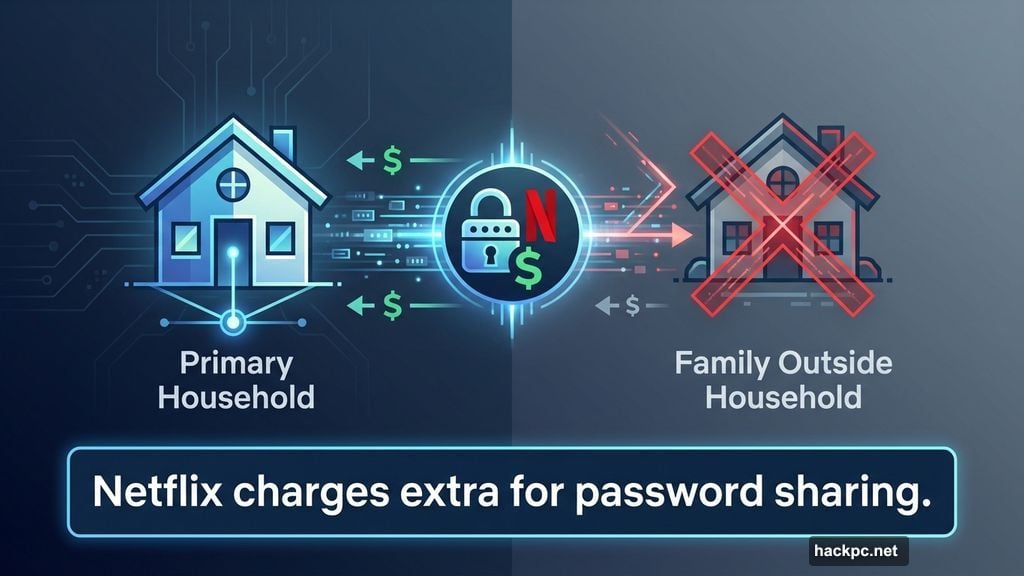
But the cost stings now. Basic with ads runs $8 monthly. Standard ad-free jumped to $15.49. Premium hit $23. And Netflix charges extra if you share your password with family outside your household.
Still, it’s hard to justify dropping Netflix entirely. The originals alone make it essential for most households. Just pick the cheapest tier that fits your viewing habits.
Disney Plus Became Expensive for Families
Disney Plus used to be the budget family option. Not anymore.
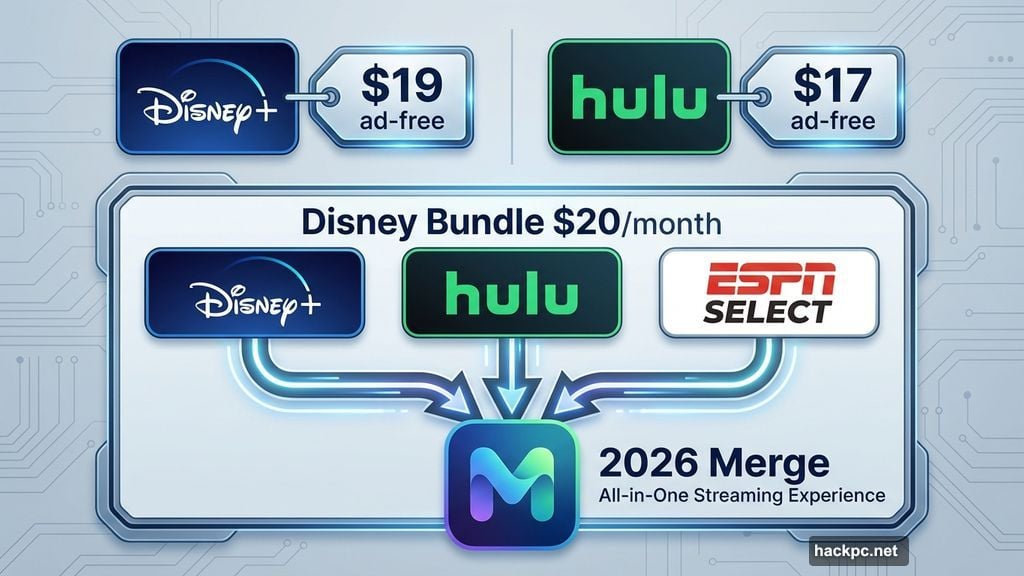
The ad-supported plan now costs $12 monthly. That’s more than Netflix’s ad tier. Ad-free runs $19. For a service that once positioned itself as the affordable Disney vault, that’s a tough sell.
However, Disney Plus still offers unmatched value for specific audiences. Marvel fans need it for shows like Daredevil: Born Again and Agatha All Along. Star Wars content lives here exclusively. Pixar’s entire catalog streams on demand. Plus, kids content like Bluey and Moana keeps children entertained for hours.
The Disney Bundle makes more financial sense. You can get Disney Plus, Hulu and ESPN Select with ads for $20 monthly. That’s cheaper than buying Disney Plus and Hulu separately. The ad-free version costs $30.
But here’s the catch. Disney Plus and Hulu merge into one app in 2026. So the bundle structure will likely change. Wait to see how that shakes out before committing to annual plans.
HBO Max Delivers Premium Content at Premium Prices
HBO Max targets viewers who want prestige television and blockbuster movies. It succeeds.
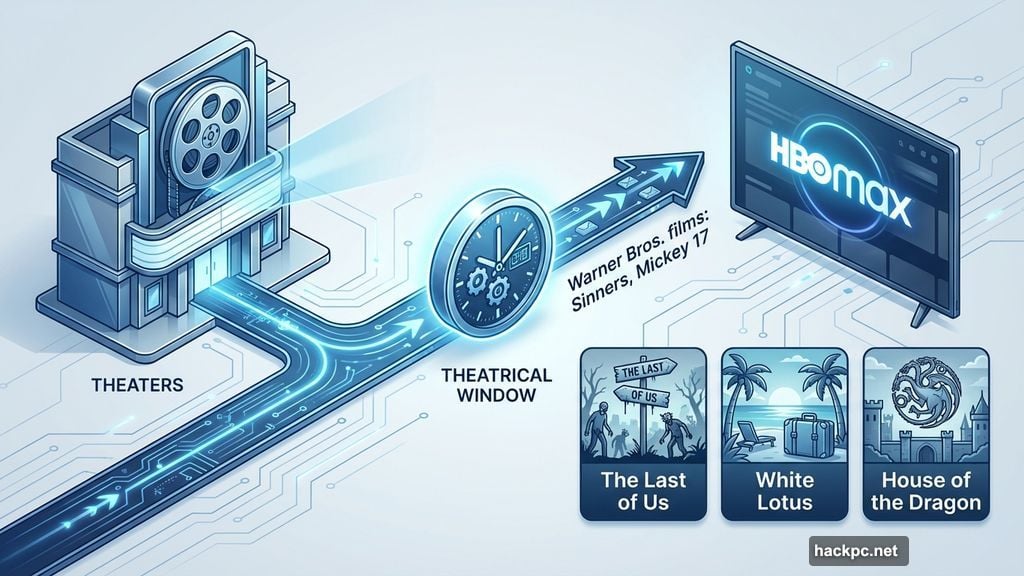
The Last of Us, The White Lotus and House of the Dragon represent peak TV production quality. Warner Bros. films like Sinners and Mickey 17 hit the platform shortly after theatrical runs. Plus, HBO’s classic library includes every episode of shows like Friends and The Sopranos.
The interface looks slick. Content discovery works well with brand hubs and curated collections. Parental controls give you granular rating filters. And B/R sports tier comes included on premium plans for live NBA, NHL and MLB games.
But you pay for that quality. Ads cost $11 monthly. Ad-free runs $17. The top tier with 4K hits $21. That makes HBO Max one of the priciest mainstream streamers.
If you watch HBO originals religiously and want access to Warner Bros. movies, the cost makes sense. Otherwise, it’s tough to justify keeping it year-round. Consider rotating HBO Max in for a month when new seasons of your favorite shows drop.
Hulu Captures Network TV Faster Than Anyone
Hulu fills a specific niche. It streams network TV episodes the day after they air.
Shows from ABC, Fox and FX hit Hulu within 24 hours of broadcast. That beats waiting months for full seasons to land on other platforms. Plus, Hulu Originals like The Handmaid’s Tale, Shogun and Only Murders in the Building compete with Netflix’s best content.
The $12 ad-supported tier offers solid value. You get thousands of episodes from major networks, Hulu Originals and a rotating selection of movies. Ad-free costs $19 monthly.
But Hulu’s interface frustrates users. Navigation feels clunky compared to Netflix or Disney Plus. Menus hide content instead of surfacing it. And occasional playback glitches interrupt viewing.
Still, Hulu works for cord-cutters who want network shows without cable. The Disney Bundle (which includes Hulu) provides better value than subscribing separately. Just know these apps merge next year anyway.
Prime Video Comes Free with Amazon Prime
Prime Video changed its model in 2024. It now includes ads unless you pay a $3 monthly fee to remove them.
But here’s the thing: Prime Video comes bundled with Amazon Prime membership. If you already pay $140 annually for free shipping, you get the streaming service included. That makes it effectively free for millions of households.
The content quality varies widely. Originals like The Boys, Fallout and Invincible rank among streaming’s best shows. Thursday Night Football brings live NFL games. But the back catalog feels thin compared to Netflix or HBO Max.
Plus, the interface confuses users. Free content, paid subscriptions and rental options stack together without clear separation. You click a title expecting to watch included content, then discover it costs $4.99 to rent.
However, Prime Video’s channel subscriptions add value. You can subscribe to HBO Max, Paramount Plus or other services as add-ons and watch everything in one app. That simplifies streaming instead of juggling multiple platforms.
Peacock Offers Budget Access to NBC Content
Peacock targets budget-conscious streamers willing to tolerate ads. It works.
For $8 monthly, you get access to 80,000 hours of NBCUniversal content. That includes current NBC shows the day after they air, Premier League soccer, WWE events and Universal movies like Wicked and Nosferatu.
The service also streams Sunday Night Football live. Plus, reality shows from Bravo (Real Housewives, Below Deck) provide endless guilty pleasure viewing.
But Peacock’s limitations frustrate users. The basic tier excludes Peacock Originals entirely. Mobile downloads require the $17 Premium Plus subscription. And 4K HDR streaming remains limited to select titles.
Still, Peacock delivers solid value for the price. If you watch NBC shows regularly or follow Premier League soccer, it pays for itself quickly. Just don’t expect the polish or content depth of higher-priced competitors.
Paramount Plus Merges CBS with Showtime
Paramount Plus combines CBS content, Nickelodeon shows, MTV reality TV and now Showtime series into one platform.
The basic ad-supported plan costs $9 monthly. That gives you access to 40,000 TV episodes and 2,500 movies. South Park streams exclusively here. Taylor Sheridan’s universe (Landman, Tulsa King, 1923) attracts millions of viewers. And Paramount movies like Gladiator II hit the service first after theatrical runs.
Upgrade to the $14 ad-free plan and you unlock Showtime content too. That includes prestige shows like Yellowjackets and the entire Showtime movie library.
However, Paramount Plus lags behind competitors in original content quality. Outside of Sheridan’s shows and a few Star Trek series, original programming feels thin. The 4K HDR selection remains limited. And the interface lacks the sophistication of Netflix or Disney Plus.
But the nostalgia factor works. Every old Nickelodeon show lives here. Comedy Central stand-up specials provide hours of laughs. And CBS shows like Tracker and Ghosts draw consistent viewership.
Apple TV Plus Bets Everything on Prestige Originals
Apple TV Plus represents the opposite approach from Netflix. Instead of thousands of titles, it offers 100+ exclusive originals with zero back catalog.
Every show and movie streams in 4K HDR with Dolby Vision and Dolby Atmos. No ads interrupt viewing. And the $13 monthly price remains competitive despite recent industry-wide increases.
Quality over quantity works when the quality hits. Ted Lasso became a cultural phenomenon. Severance attracts obsessive fan theories. CODA won the Best Picture Oscar. Slow Horses delivers spy thriller excellence.
But the small library creates problems. You can watch everything worth watching in a month, then cancel until new shows arrive. Plus, the content skews heavily toward prestige dramas. Families with kids find limited options.
However, Apple TV Plus comes free with many Apple device purchases. Students get extended trials. And Apple One bundles include the service with other Apple subscriptions.
Cut Your Streaming Costs Without Losing Shows
Ready to trim your bill? Three strategies work.
First, audit your usage monthly. Most people forget which services they actually watch. Log into each platform and check your viewing history. If you haven’t watched anything in 30 days, cancel it. You can always resubscribe later.
Second, rotate subscriptions strategically. Watch everything you want on Netflix in one month. Cancel it. Subscribe to HBO Max next month. Binge its content. Repeat with other services. This cuts your annual streaming costs by 50-60% while still accessing all the content.
Third, share subscriptions legally through official family plans. Disney Plus and Netflix both offer household sharing options. Yes, they charge extra. But splitting costs with family members still saves money compared to everyone maintaining separate accounts.
The Real Streaming Problem Nobody Talks About
Streaming platforms designed their business models around endless growth. That doesn’t work long-term.
Every service raises prices yearly while fragmenting content across more apps. Companies pull shows from rivals to boost their own platforms. Exclusive deals lock content behind specific paywalls.
So we ended up right back where cable left us. Paying $100 monthly for scattered content across too many apps.
But here’s what bugs me most. These platforms promised convenience and savings. Instead, they created a more complex, more expensive system that requires constant management just to avoid overpaying.
The only winning strategy is ruthless curation. Pick two, maybe three services max. Rotate the rest based on what you’re actually watching. And refuse to pay for content you’re not consuming.
Your streaming budget will thank you.



Comments (0)