

Imagine scrolling through your feed and seeing a post from a real person raving about Starlink’s satellite internet service. Right underneath it, a clean little box nudges you to “Get Starlink” with a direct link to their website. Is that a recommendation from a friend? An ad? Or something in between?
That’s exactly the blurry line X is now testing — and it raises some genuinely interesting questions about where social media advertising is heading.
Starlink Gets the First Slot in X’s New Ad Test
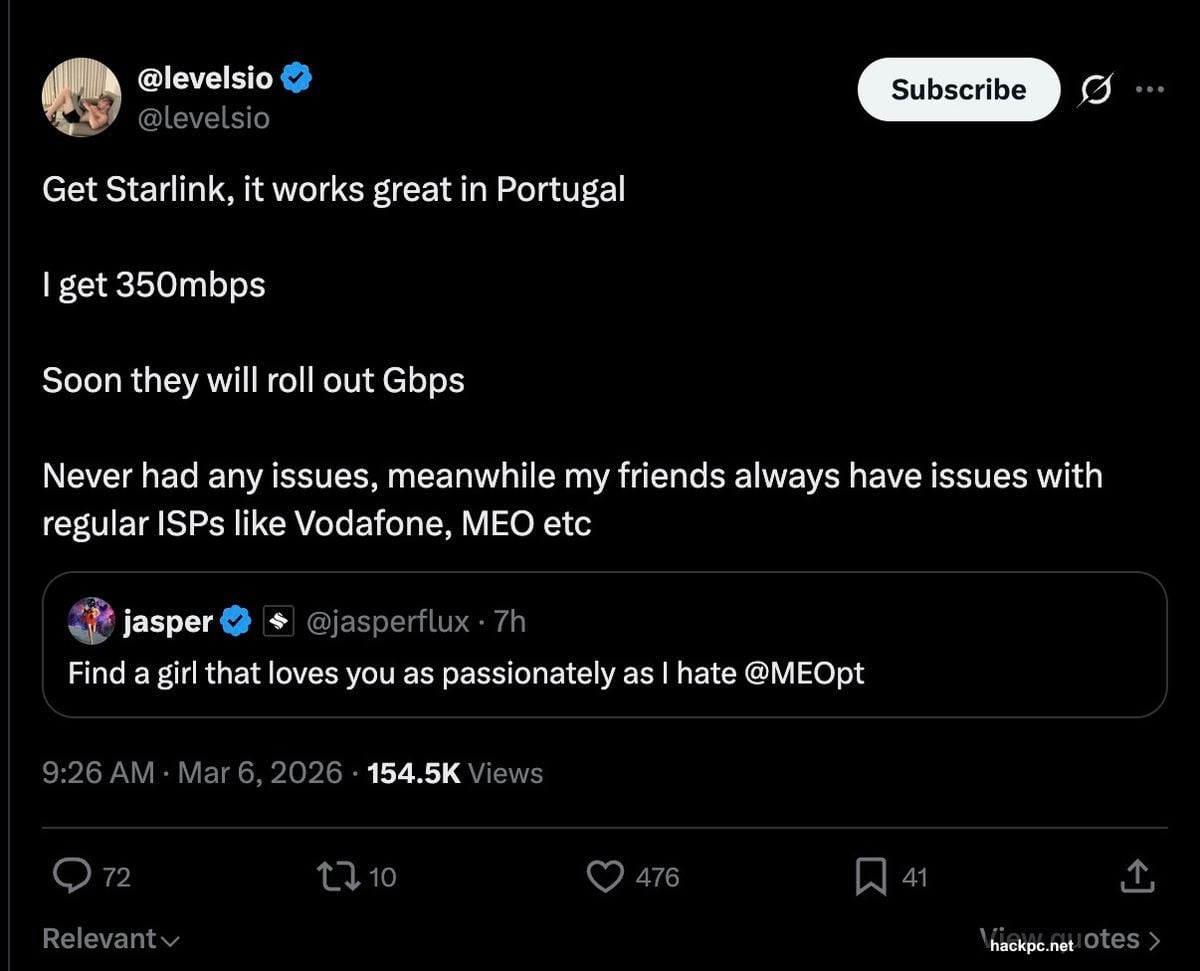
The new format surfaced when an X user in Europe noticed something unusual beneath a post from user @levelsio. The post praised Starlink’s satellite service in Portugal. Directly beneath it sat a prompt encouraging readers to visit Starlink’s site.
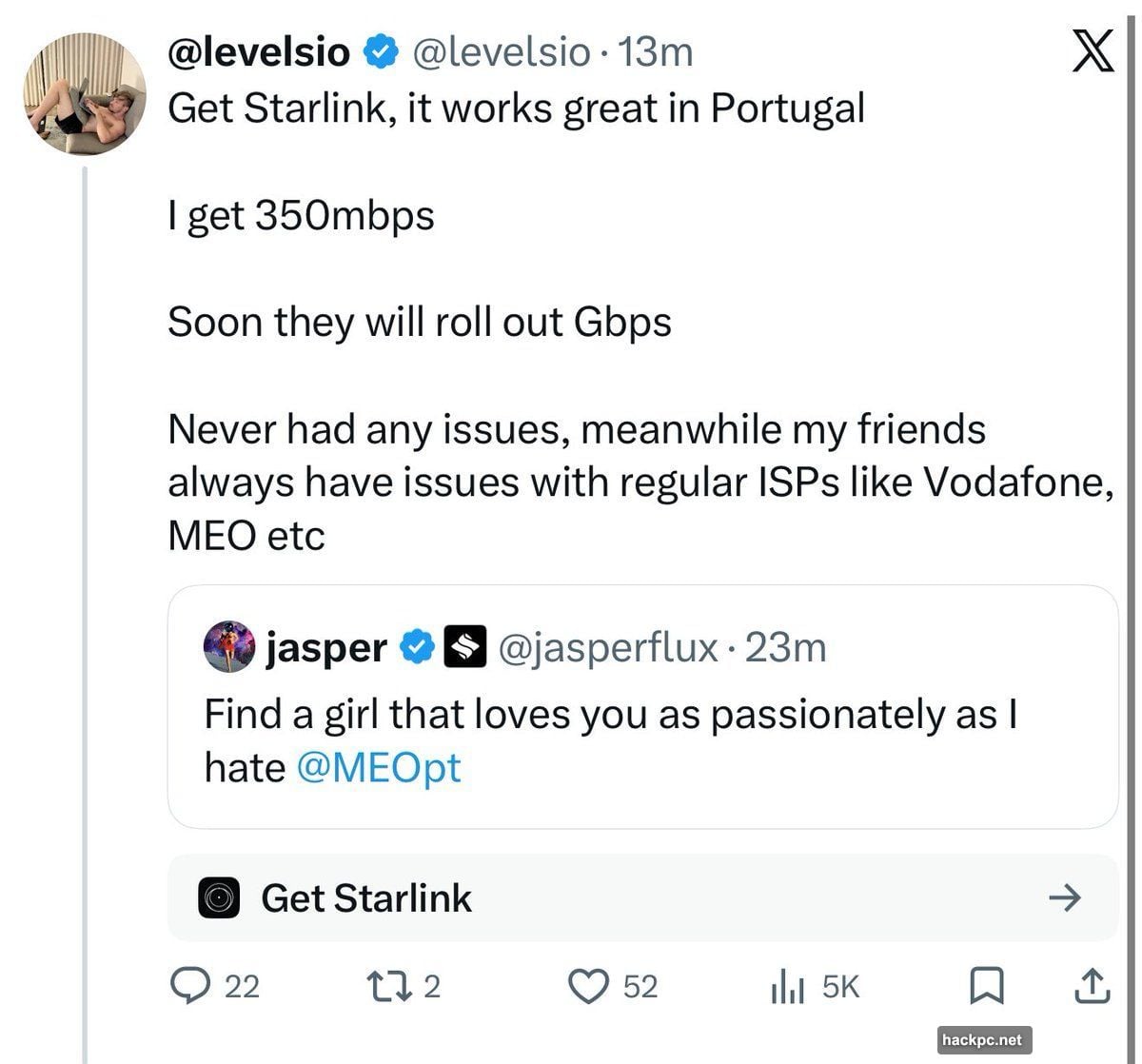
X head of product Nikita Bier confirmed the experiment on the platform itself. His explanation was refreshingly honest: “Trying to make an ad product that isn’t an ad.”
For users outside the test market, the ad slot still exists. It just shows a random X post instead. So the infrastructure is live globally, even if the actual paid content hasn’t fully rolled out yet.
Native Advertising Gets a Social Media Spin
This isn’t a brand new idea in the broader ad world. Native advertising — where promotional content blends into surrounding editorial or social content — has been around for years. But X’s approach puts a specific twist on it.
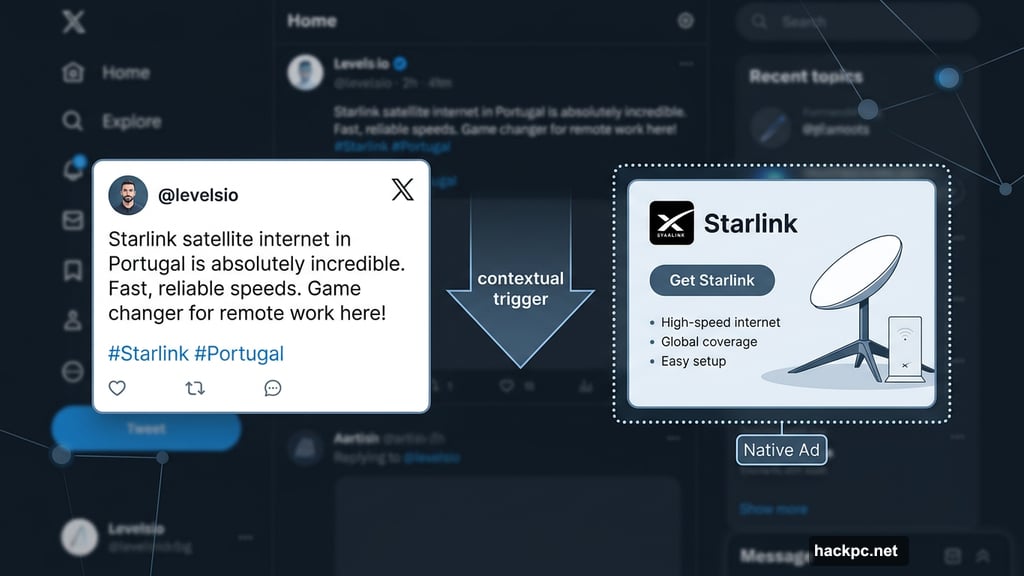
Instead of placing ads based purely on user behavior or demographics, this format ties the ad directly to the content of a nearby post. Someone mentions Starlink positively? Starlink gets the ad slot right below. That contextual connection is what makes it feel less like an interruption and more like a natural extension of the conversation.
Bier also shot down the idea of allowing affiliate links in this format. His reasoning? “No, then people will lie. I want to trust recommendations on here.” That suggests X is thinking carefully about keeping the format from becoming a pay-to-play scheme where creators game the system by mentioning brands they’re secretly compensated to promote.
How This Fits Into X’s Bigger Creator Push
This ad test doesn’t exist in isolation. X has had a rough time competing with Instagram, YouTube, and TikTok for creator loyalty. Those platforms built strong monetization tools years ago, and creators followed the money.
X has been catching up. The company recently introduced “Paid Partnership” labels, letting creators tag sponsored posts to comply with advertising regulations — a cleaner alternative to stuffing hashtags like “ad” or “paid partnership” into captions. That kind of infrastructure matters to brands evaluating whether X is worth their budget.
Also this week, X revamped its Creator Subscriptions feature. Now creators can monetize individual threads, not just their overall subscription offering. That’s a meaningful upgrade for writers and commentators who build audiences through conversation rather than video.
And Grok, X’s built-in AI chatbot, can now read Articles — the platform’s long-form content feature. Whether creators actually use Articles remains a separate question. Most still prefer publishing through newsletters or personal websites, where they own the audience relationship entirely.
The Potential Here Is Real — If Messy
Put all these pieces together and you can see what X is building toward. Paid Partnership labels create a compliant way for creators to disclose sponsor relationships. The new contextual ad format creates a direct pathway for those sponsor relationships to drive clicks. Combine them, and brands get two touchpoints from a single creator post.

That’s a compelling pitch for advertisers. It’s also a potential headache for users trying to distinguish organic enthusiasm from paid placement.
The format works best when the recommendation feels earned. A genuine post about a product that actually impressed someone, with an unobtrusive link for curious readers, is a genuinely useful experience. But scale that model across millions of posts, and the authenticity gets harder to maintain.
Bier’s instinct to block affiliate links is the right call for now. The moment creators can earn a cut from every product mention, the incentive to “organically” praise anything and everything becomes irresistible. That’s how recommendation culture on social media tends to collapse into noise.
X is trying something genuinely interesting here. Whether it stays interesting as it scales is the real test.



Comments (0)