

Microsoft 365 Now Watermarks AI Content. Here Is What Changes
AI tools are everywhere in the workplace today. But telling the difference between human work and machine output is getting difficult. So, Microsoft is rolling out a new transparency feature to fix this problem. The company just started adding watermarks to AI-generated files inside Microsoft 365. Next, let’s look at how this update affects your daily tasks.
Copilot Audio Generation Gets Tagged First
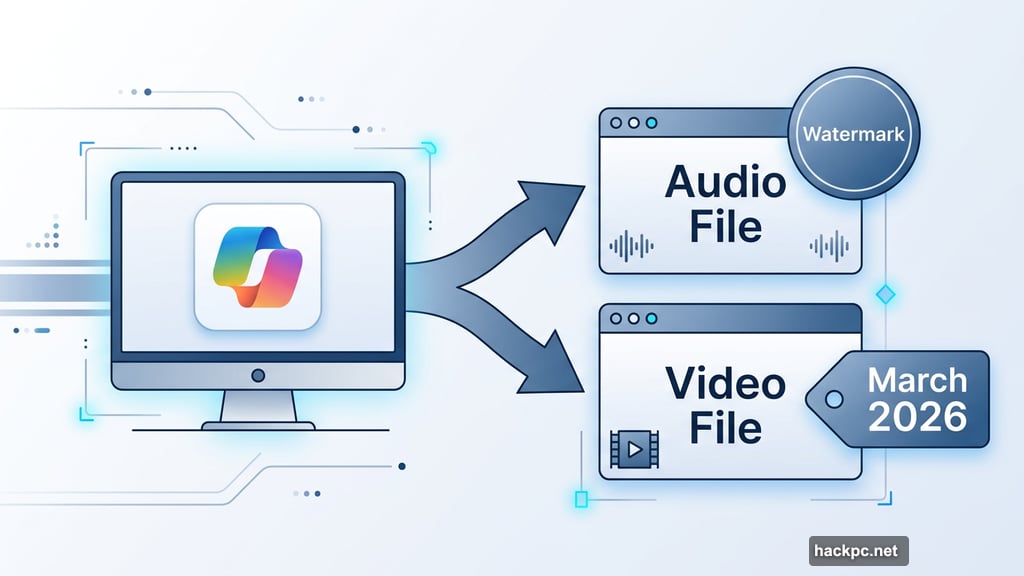
Right now, this new policy targets audio files that you create or edit using Copilot. However, video tracking is coming soon. In fact, Microsoft plans to launch video watermarking support by March 2026. Therefore, companies have some time to prepare for the visual tags. Also, keep in mind that AI-generated images use a completely different user policy.
Microsoft 365 Administrators Control the Switch
You will not see these watermarks automatically on your files. Instead, your IT administrators must manually turn the feature on. Plus, Microsoft keeps strict control over how the labels look. Companies cannot customize the text or change where the watermark sits. Consequently, every business gets the exact same predetermined design.
Hidden Metadata Tracking Happens Anyway
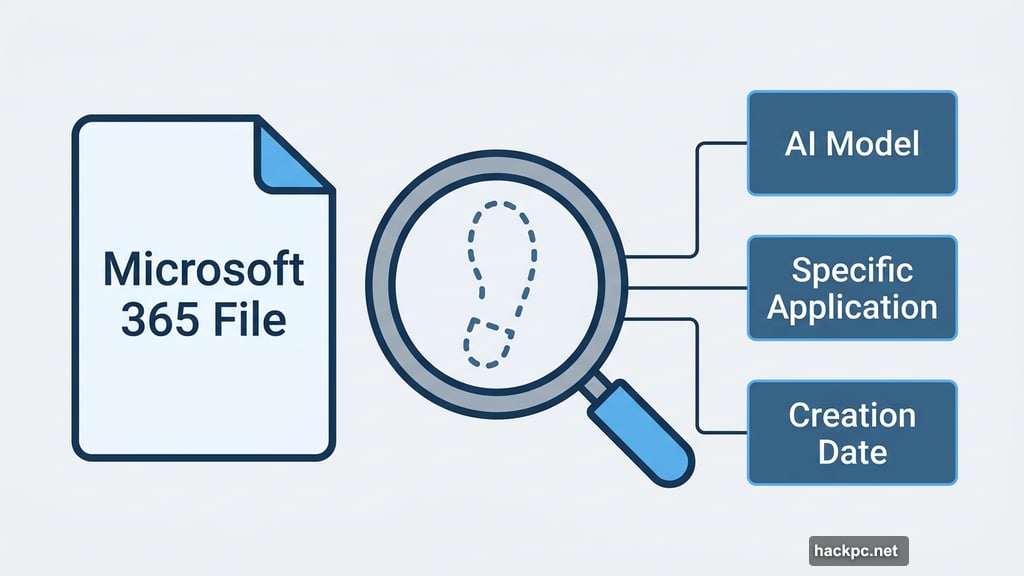
What if your company skips the visible watermarks? The software still leaves a digital footprint behind. Specifically, Microsoft embeds invisible metadata directly into the files. This hidden information shows exactly which AI model you used. Furthermore, it records the specific application and the exact creation date.
Transparency matters heavily as artificial intelligence becomes a normal office tool. Sure, the lack of customization feels a bit restrictive for corporate branding. Yet, knowing the true origin of a file builds essential trust at work. Check with your IT department about their activation timeline. Finally, getting ahead of this policy prevents surprises when these tags become standard practice.




Comments (0)