
OpenAI might be about to make its AI video generator a whole lot harder to ignore.
According to a report from The Information, Sora could soon become a built-in feature inside ChatGPT itself. Right now, Sora lives on its own website and as a standalone app, which means most people have never actually tried it. Folding it into ChatGPT changes that completely.
Sora’s Standalone App Never Really Took Off
Sora launched less than a year ago with a lot of fanfare. The videos it produces look genuinely impressive. But the standalone app never caught the kind of lightning-in-a-bottle moment that ChatGPT did.
That makes sense, actually. Most people already live inside ChatGPT for their AI needs. Adding a separate app to the mix creates friction. So Sora stayed a novelty that enthusiasts explored while mainstream users mostly shrugged.
Bringing Sora directly into ChatGPT mirrors exactly what OpenAI did with image generation last year. That integration worked. Users suddenly had image creation right where they already spent their time, and adoption followed naturally.
The Deepfake Problem Gets Worse From Here
Here’s where things get uncomfortable, though. More accessibility for Sora isn’t just good news.
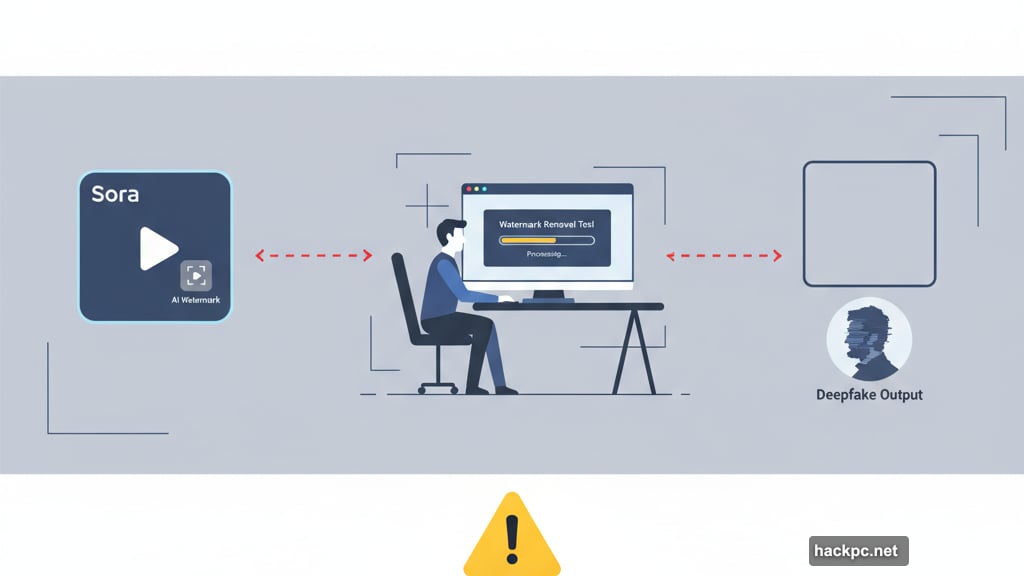
When Sora first launched, users wasted almost no time generating realistic deepfakes of historical figures. Martin Luther King Jr. was one target. Copyrighted content showed up almost immediately too. OpenAI has guardrails in place, including an AI-generated watermark on Sora videos. But those guardrails have already proven leaky.

And a much larger user base means a much larger pool of people actively hunting for loopholes.
That’s not a small concern. AI image and video generators have faced a consistent pattern since they went mainstream. Users creatively rephrase prompts, find edge cases, and share workarounds online. The community of people probing Sora’s limits inside ChatGPT would dwarf the current standalone user base by a wide margin.
The watermark removal problem alone is serious. If users can strip the indicator that marks a video as AI-generated, the already-difficult task of spotting deepfakes gets nearly impossible.
OpenAI Is Fighting to Keep Users Right Now
The timing here tells an interesting story. ChatGPT is under real competitive pressure at this moment.

Anthropic’s Claude has been on a genuine hot streak lately. And ChatGPT has been seeing an unusual spike in uninstalls. Part of that stems from OpenAI agreeing to Pentagon terms that would allow the US military to use its technology for mass surveillance and fully autonomous weapons systems. Anthropic publicly refused those same terms, which earned the company a surge of goodwill from users who found that refusal meaningful.
So OpenAI needs something to pull attention back. Sora inside ChatGPT is a genuinely compelling feature that rivals can’t immediately match.
But The Information also flags a real financial concern here. Video generation is computationally expensive. Running Sora at ChatGPT scale could meaningfully increase OpenAI’s costs. And OpenAI just started showing ads to users on its cheaper subscription plans last month. More cost pressure could mean more pricing changes ahead.
What This Means for Regular ChatGPT Users
If you use ChatGPT regularly, you might soon have a powerful video generator built right into the same tool you already use daily. That’s genuinely exciting for creative work, content production, and just experimenting with what AI video can do.
The quality gap between Sora and most competing video generators is still significant. OpenAI built something technically impressive. The problem was always distribution.
Still, going in with eyes open matters here. The same tool that helps you mock up a product demo video or visualize a story idea will also be far easier for bad actors to misuse. OpenAI has a real responsibility to tighten its content moderation before this rolls out widely, not after.
Whether they will is another question entirely. Their track record on proactive safety measures with Sora specifically has been mixed at best.
This integration would genuinely move the needle on AI video adoption. It might also accelerate problems the industry is still struggling to solve.


Comments (0)