
TikTok just pulled the plug on a new AI feature — and the speed of that reversal says a lot about how much creator pressure actually matters right now.
The company confirmed to CNET that it has removed its experimental AI remix setting after backlash from creators who spotted it on the platform. For a company that’s been weaving AI into nearly every corner of its app, this is a notable step backward. And honestly, it’s worth understanding exactly what this feature did before we unpack why people were so upset.
The Meme Remixer Nobody Asked to Join
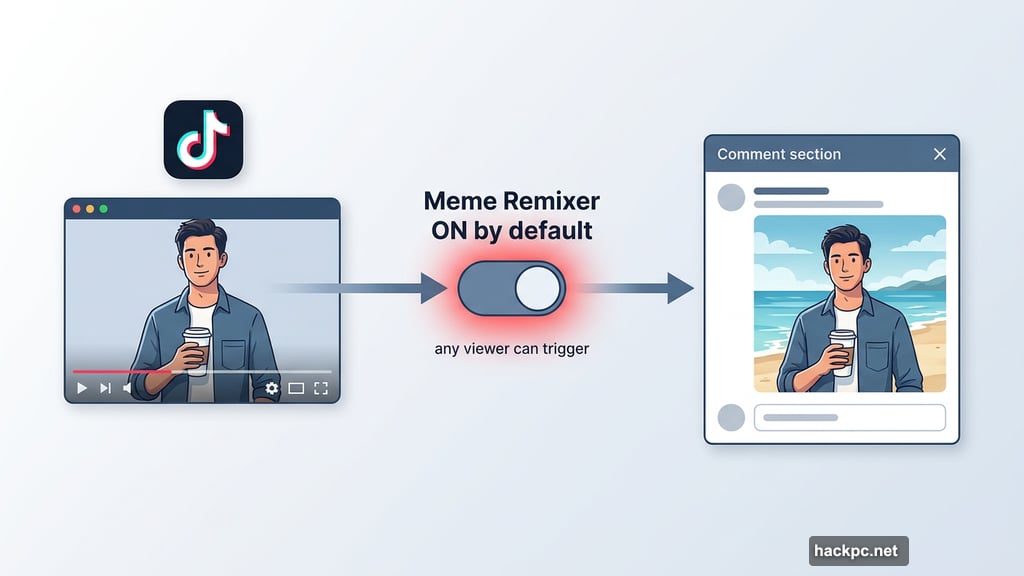
The feature in question was called the meme remixer. It let anyone who watched your TikTok video create an AI-generated image based on it — swapping out your face, changing your background, or dropping you into an entirely different scenario.
Here’s the part that stung. The setting was switched on by default. If you posted a video of yourself grabbing coffee with friends, a stranger in the comments could potentially use this tool to plop your likeness onto a beach or into any other scene they typed into a prompt. The resulting image would then appear right in your video’s comments section.
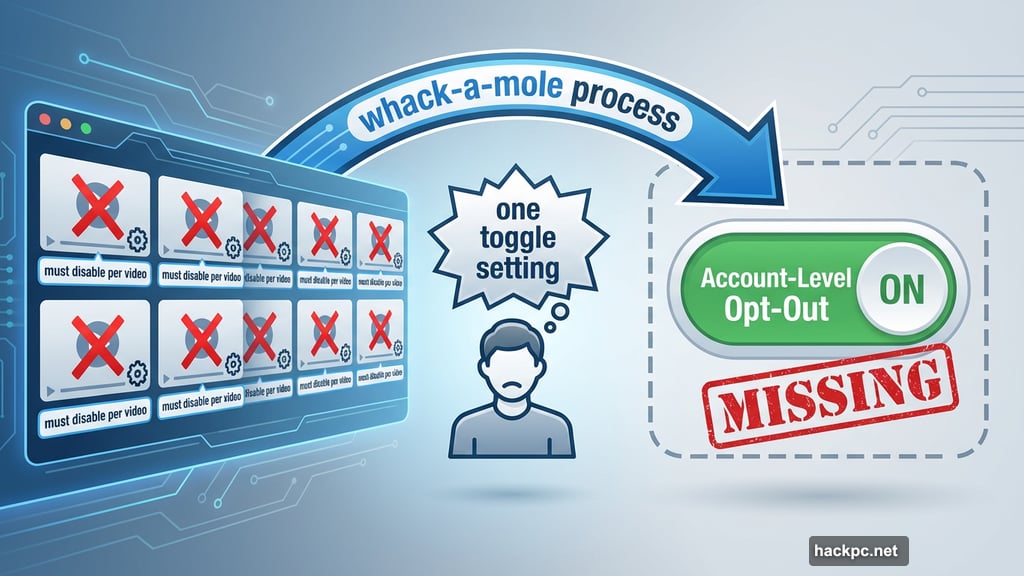
You could turn it off — but only for each individual video. There was no account-level toggle. So creators who posted frequently faced a never-ending game of whack-a-mole, disabling the setting on every single upload.
Creators Called It an Invasion of Privacy
The backlash hit fast. Creators who stumbled across the setting shared their frustration publicly, with many describing it as yet another platform quietly helping itself to their content.
Creator Sean Szolek-Van Valkenburgh put it plainly in a video response: “It shouldn’t be that hard to allow us to opt out in one toggle setting.” His point was simple. Creators already hand over certain rights when they post to platforms. But there’s a meaningful difference between standard platform terms and having your face automatically made available for AI manipulation by anyone watching your videos.
Another creator, Georgie — known on the platform as soupytime — pointed out something harder to ignore. Reposting and content theft already run rampant on TikTok. A tool like this would make it dramatically easier to create deepfakes of recognizable creators without their knowledge or consent. That’s not a hypothetical concern. We’ve already seen what happens when AI image tools lack proper safeguards, including disturbing cases on platforms like X involving Grok AI.
What TikTok Said About Data
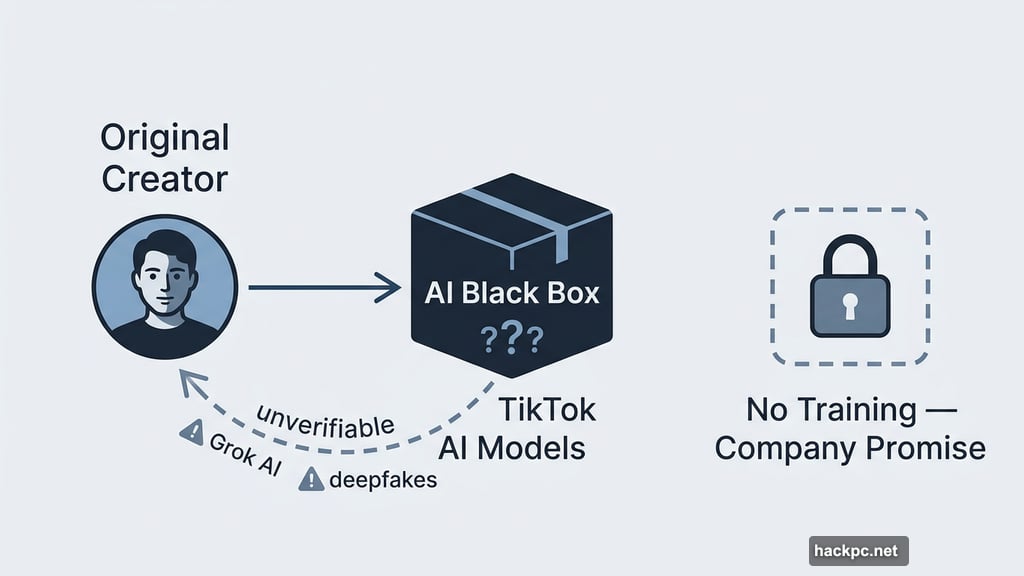
TikTok told users that allowing AI remixing wouldn’t mean their videos were used to train its AI models. The company also said the toggle had no effect on how TikTok otherwise interacted with your content.
But here’s the honest reality. Tech companies develop AI inside what many researchers call a “black box.” Individual creators have no practical way to verify those promises. Trust becomes the only currency — and right now, that trust between platforms and creators is running low.
TikTok has also paused the experimental meme tool while it evaluates creator feedback. So the feature isn’t just quietly disabled — the company is officially reassessing it.
AI Is Everywhere on TikTok Now
This situation doesn’t exist in isolation. TikTok has been building AI features into the platform for years. You’ve probably noticed the translucent icon sitting above profile pictures as you scroll — that’s Tako (pronounced like “taco”), TikTok’s built-in AI assistant.
Like Snapchat and Meta — which owns Instagram and Facebook — TikTok has pressed forward with AI integration despite ongoing criticism. Creators have grown increasingly vocal about AI-generated content drowning out original work. Environmental concerns around AI energy use, legal questions about copyright, and ethical debates about consent have all swirled around these decisions.
On paper, TikTok’s general AI policy requires that any content edited or created by AI follow community guidelines. Specifically, TikTok prohibits AI-edited content that misleads viewers into believing something fake is real — particularly anything involving fake authoritative sources, fabricated crisis events, or public figures placed in false contexts. Child sexual abuse material is explicitly banned. AI-edited content also carries an invisible watermark that follows the C2PA standard.
But policies only matter as much as their enforcement. And enforcement on massive platforms is notoriously inconsistent.
The Opt-In vs. Opt-Out Problem
The core issue here isn’t really about meme makers. It’s about a pattern — one where platforms introduce features that affect creators by default, then wait to see who complains loudly enough.
Opt-out systems shift the burden onto users. They assume people are paying close attention to every new setting that appears in an app they use casually. Most people aren’t. Most creators aren’t checking their privacy settings after every platform update.
An opt-in system would have asked creators whether they wanted to participate before switching anything on. That would have looked very different. Fewer creators would have joined, sure. But the ones who did would have chosen to be there.
TikTok’s reversal here suggests the company understood it had misjudged the response. Pulling the feature quickly — rather than defending it — was the right move. Now the real question is what a more creator-friendly version of this tool might look like if TikTok ever brings it back.
Platforms that build with creators rather than around them tend to fare better in the long run. This situation was a clear reminder of that.

Comments (0)