

OpenAI is done juggling multiple products. The company is building a single desktop “super app” that brings ChatGPT, its browser, and its Codex coding tool under one roof.
The Wall Street Journal and CNBC both broke the news, revealing that OpenAI Chief of Applications Fidji Simo will lead the project. OpenAI President Greg Brockman is also lending a hand. And when the app finally launches, Simo will help the marketing team get the word out too.
So why the big consolidation push? Simple. Too many apps were slowing everything down.
Fragmentation Was Killing Productivity

Simo reportedly sent an internal note to OpenAI employees explaining the problem directly. The company had spread itself too thin across too many separate products. “That fragmentation has been slowing us down and making it harder to hit the quality bar we want,” she wrote, according to the Journal.
That’s a refreshingly honest admission from a company at the top of the AI world. Instead of quietly shuffling things around, OpenAI’s leadership acknowledged the mess and decided to clean it up.
Simo also confirmed the shift publicly. After the Journal published its story, she replied to the author on X with a note that reads like a strategic philosophy: “Companies go through phases of exploration and phases of refocus; both are critical. But when new bets start to work, like we’re seeing now with Codex, it’s very important to double down on them and avoid distractions. Really glad we’re seizing this moment.”
Codex Momentum Is Driving the Shift
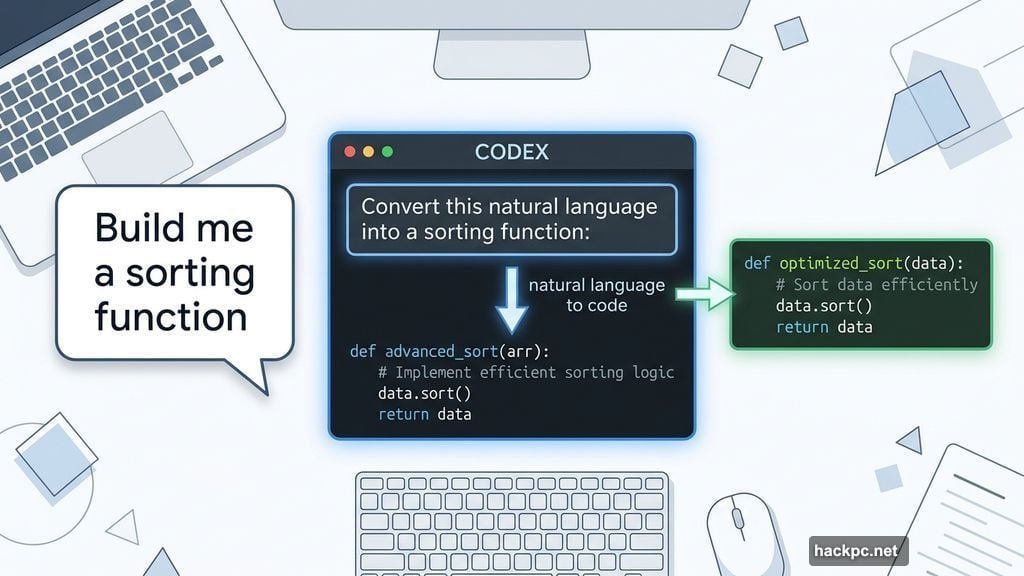
OpenAI’s Codex app, which generates code from natural language prompts, appears to be a big reason for the urgency here. Simo called it out specifically as one of the bets that’s “starting to work.” That momentum is clearly pushing OpenAI to double down rather than spread attention across a fragmented lineup of tools.
At an all-hands meeting, CNBC reports that Simo told employees the company was “orienting aggressively” toward high-productivity use cases. That framing tells you a lot about where OpenAI sees its biggest opportunity. It’s not trying to be everything to everyone. Instead, it wants to be the go-to tool for people who actually want to get serious work done.
Agentic AI Capabilities Are the Real Bet
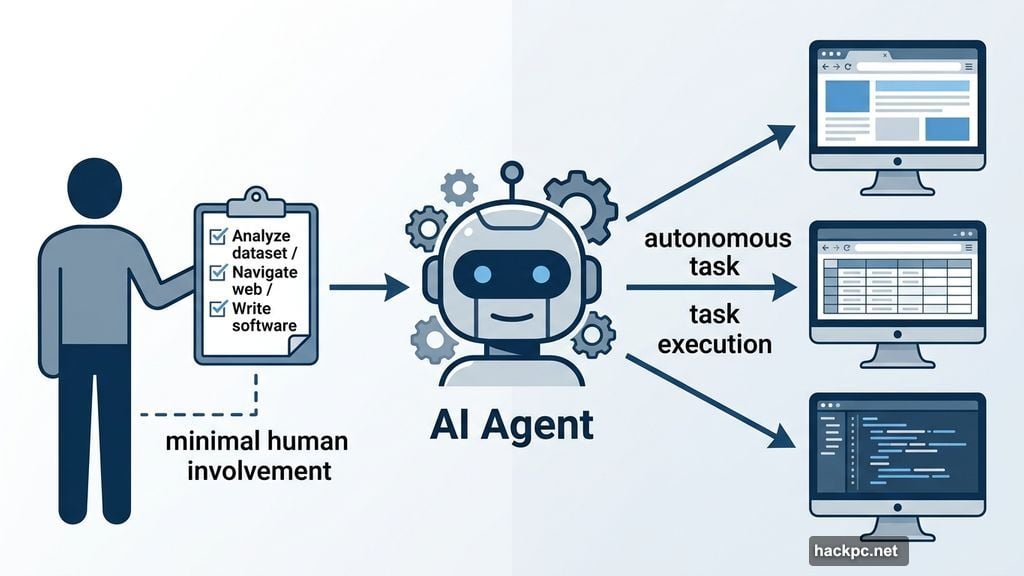
Here’s where things get genuinely exciting. OpenAI isn’t just merging its existing apps into one tidy package. The company is reportedly building out agentic AI capabilities as a core feature of the new desktop experience.
What does that mean in practice? These AI agents can make decisions and use tools to complete tasks on your computer with minimal human involvement. Think writing software, analyzing datasets, or navigating the web on your behalf. You hand off a task, and the agent figures out the steps to get it done.
That’s a meaningful leap beyond chatting with an AI assistant. It positions OpenAI’s super app as something closer to a digital coworker than a fancy search bar. Plus, it puts the company in direct competition with other agentic AI platforms racing to define what AI-powered productivity actually looks like.
When Can You Get It?
No official launch date yet. OpenAI hasn’t made a formal announcement, and the details are still emerging through reporting rather than press releases. But the internal signals suggest this is a priority project, not a distant experiment.
Simo’s involvement, Brockman’s support, and the all-hands framing all point to a company that’s treating this as its next major push. When a company this size starts talking about “avoiding distractions” and “seizing the moment,” things tend to move quickly.
One unified app combining ChatGPT’s conversational power, a built-in browser, and Codex’s coding muscle is a bold move. Whether it delivers on that promise depends on how well OpenAI can actually connect those pieces into something that feels seamless rather than just consolidated.
That part, we’ll have to wait and see.



Comments (0)