
Gig workers already spend hours behind the wheel between deliveries. Now DoorDash wants to pay them for something completely different during that downtime.
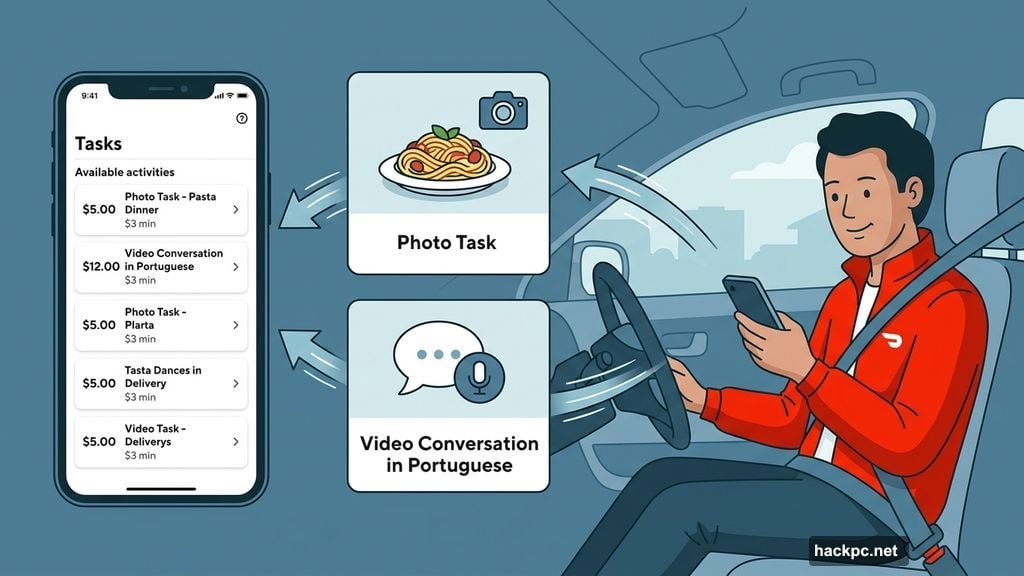
The delivery giant just launched a feature called Tasks, giving Dashers a new way to earn extra cash by creating content that trains artificial intelligence and robotics models. Think snapping photos of restaurant dishes or recording short, unscripted video conversations in languages other than English. Simple stuff, but surprisingly valuable to the companies building tomorrow’s AI systems.
What Tasks Actually Looks Like
DoorDash is piloting a standalone app specifically for Tasks. Dashers browse available activities, see exactly how much each one pays upfront, and submit their completed content directly through the app.
Pay varies depending on complexity. A quick photo of a menu item earns differently than a multi-minute video conversation. But the core idea stays consistent: short, flexible activities you can knock out between drop-offs or whenever you have spare time.
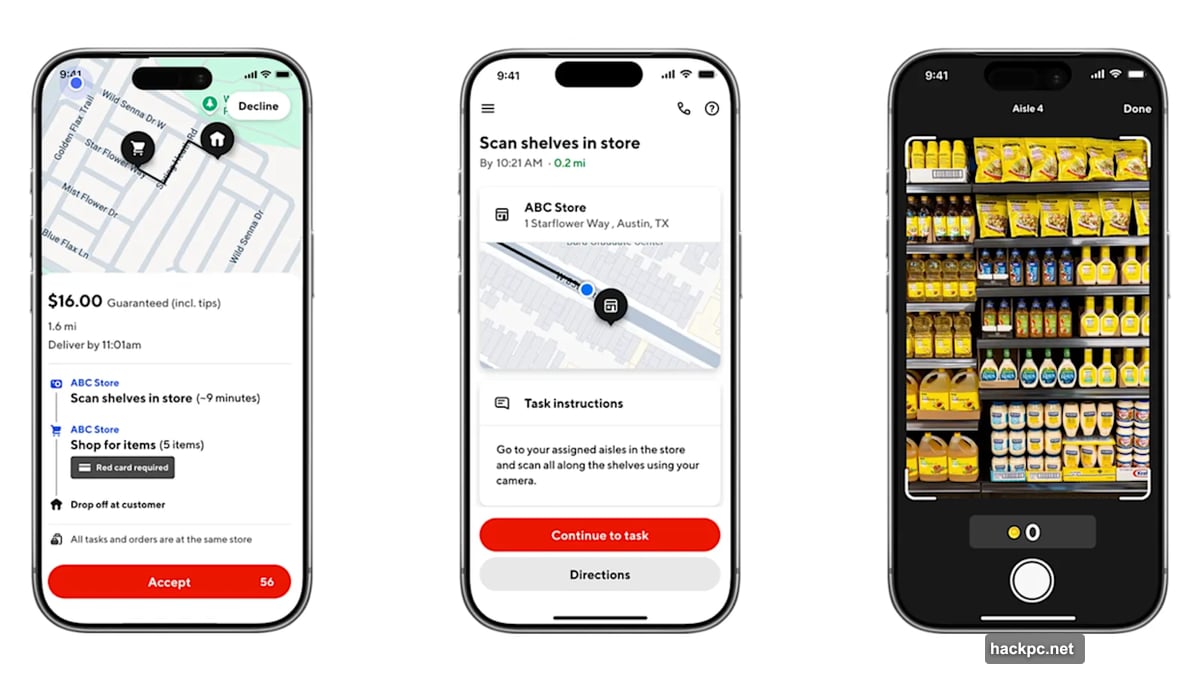
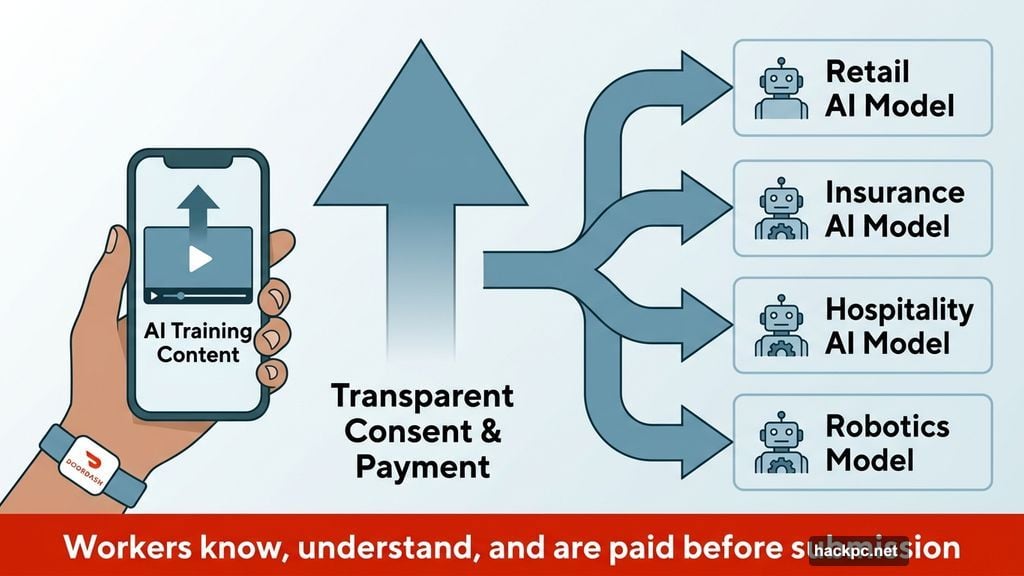
The company confirmed to Bloomberg News that this content serves two purposes. First, it helps evaluate DoorDash’s own in-house AI models. Second, it feeds into models built by partner companies across retail, insurance, hospitality, and tech.
So when a Dasher films a casual conversation in Portuguese or photographs a restaurant’s pasta dish, that content could end up shaping AI tools far beyond the delivery world.
AI Training Data Has a Complicated History
This kind of paid content creation isn’t exactly new. Several startups focused on AI and robotics have offered similar arrangements, paying everyday people to film themselves doing ordinary tasks.
But the timing matters. Right now, dozens of lawsuits are working their way through courts against AI companies accused of scraping and using copyrighted content without permission or compensation. Writers, artists, and publishers have all filed claims arguing their work trained AI models without their consent.
DoorDash’s Tasks approach sits on the opposite end of that spectrum. Workers know what they’re creating, understand it goes toward AI training, and get paid before they ever hit submit. That transparency makes a real difference, both ethically and legally.
Why Gig Workers Might Actually Love This
Dashers already live inside a flexible work structure. They pick their hours, choose their delivery zones, and manage their own schedules. Tasks fits naturally into that framework.
Instead of sitting idle waiting for the next ping, a Dasher could complete a quick activity and pocket a few extra dollars. For someone already spending four or five hours on the road, those micro-earning opportunities add up over time.
Plus, Tasks requires zero special skills. You don’t need to be a professional photographer or a fluent speaker of multiple languages. You just need a phone, a few spare minutes, and a willingness to participate.
That accessibility is exactly what makes this model appealing to AI companies. They want authentic, real-world content from real people, not polished productions from professional studios.
The Bigger Picture for AI Development
Training a reliable AI model requires enormous amounts of diverse, high-quality data. Images, conversations, real-world scenarios captured in natural settings. Collecting all of that at scale is genuinely hard.
By tapping into an existing network of gig workers spread across thousands of cities, DoorDash solves a tricky logistics problem for AI developers. Dashers already operate in varied environments, interact with different businesses, and represent a wide range of demographics and languages.
That diversity is gold for building AI systems that work well across different contexts, not just in controlled lab conditions.
Honestly, this feels like a smart move for everyone involved. DoorDash monetizes its existing worker network in a new direction. AI partners get authentic training content at scale. And Dashers earn more from time they were already spending on the clock.
Whether Tasks expands beyond the current pilot and how much it actually moves the needle on Dasher earnings remains to be seen. But as AI companies scramble to build better, more ethically sourced training datasets, this kind of paid content creation model looks like it has real staying power.




Comments (0)