
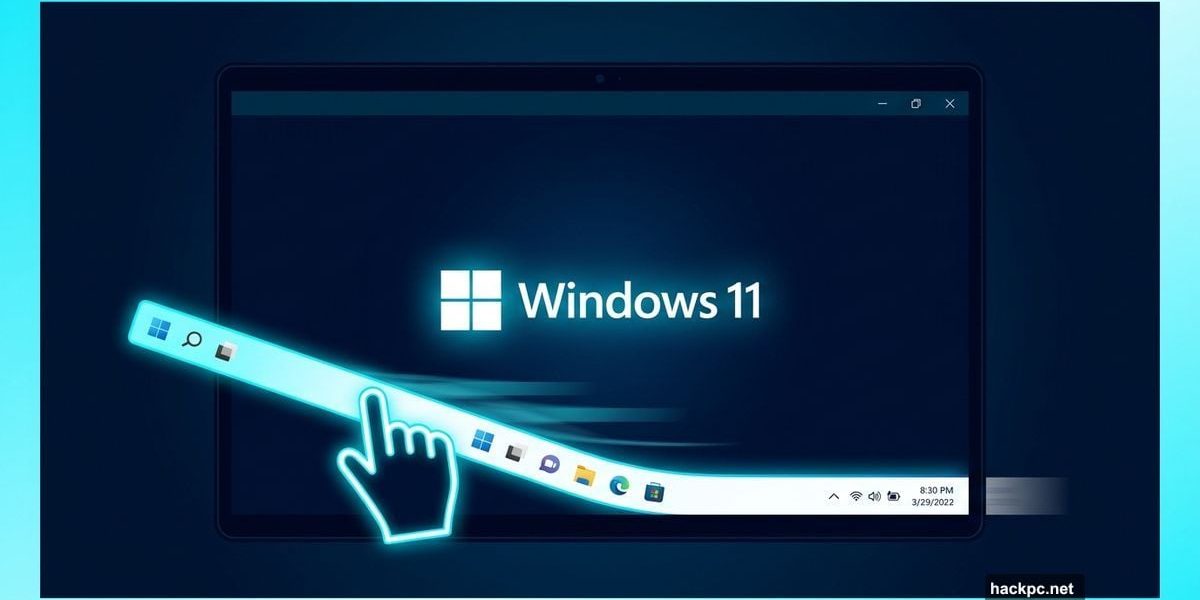
Nearly five years after Windows 11 launched, Microsoft is bringing back one of the most-requested features from frustrated users everywhere: a movable taskbar.
Starting in the coming weeks, Windows Insiders will be able to reposition their taskbar to the top or sides of the screen. Then, later this year, the feature rolls out to every Windows 11 user. Plus, Microsoft is working on a smaller taskbar option that also arrives sometime this year.
It’s a big deal for anyone who felt stuck with the current setup.
Microsoft Finally Heard the Complaints
Windows chief Pavan Davuluri didn’t dance around the reason for this change. “Repositioning the taskbar is one of the top asks we’ve heard from you,” he said. “We are introducing the ability to reposition it to the top or sides of your screen, making it easier to personalize your workspace.”
That’s a pretty direct admission. Users asked. Loudly. And often.
The movable taskbar is part of a larger wave of changes Microsoft is rolling out this year. The company is responding to growing criticism of Windows 11’s performance, reliability, and overall user experience. So this isn’t just a cosmetic tweak. It’s part of a bigger push to win back user trust.
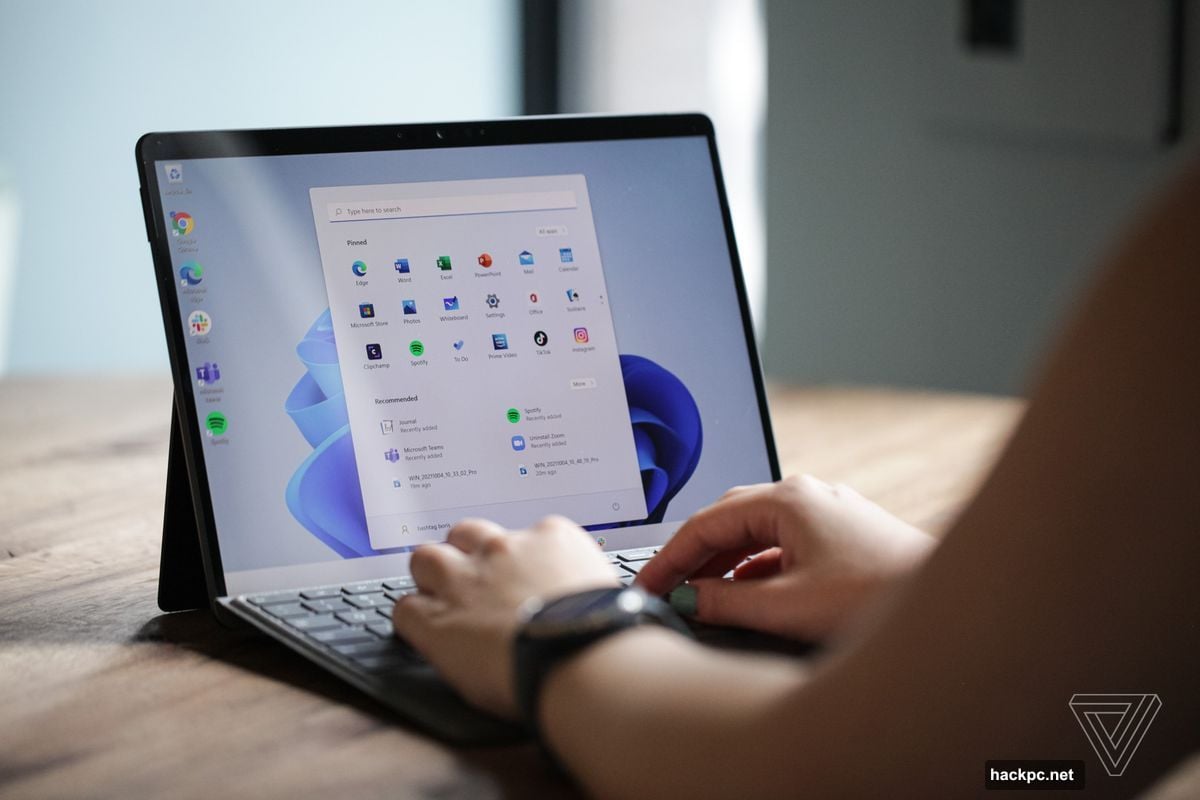
Windows 10 Had This. Windows 11 Took It Away.
Here’s the frustrating part of this whole story. Windows has had a movable taskbar for decades. You could drag it to any edge of your screen without any hassle.
Then Windows 11 launched in 2021 and quietly removed that ability.
Why? Microsoft rebuilt the taskbar from scratch for Windows 10X, an operating system originally designed for dual-screen devices. When Windows 10X got shelved and its foundations got baked into Windows 11, the simplified taskbar came along for the ride. But the flexibility did not.
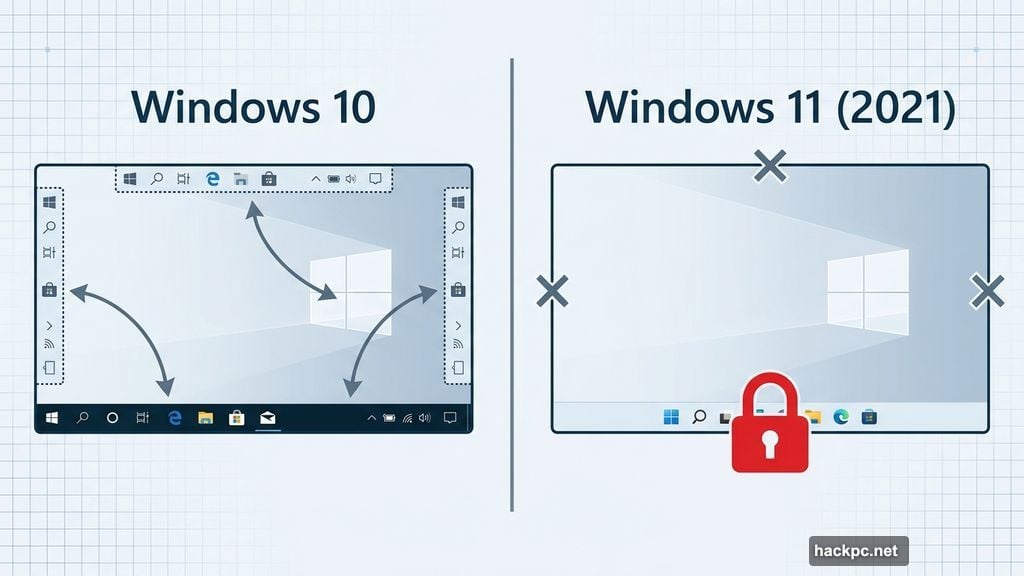
The result was a taskbar that felt stripped down and rigid. No small icon option. No time and date display on multiple monitors. No repositioning. For power users and anyone with a non-standard workflow, it was a step backward.
The Long Road Back to Windows 10 Features
Microsoft has been quietly restoring taskbar functionality piece by piece ever since. The multi-monitor clock issue got fixed. Small icons came back in some form. And recently, the company started testing an agenda calendar view inside the Windows 11 notification center. That feature had also disappeared from Windows 10 during the transition to Windows 11.
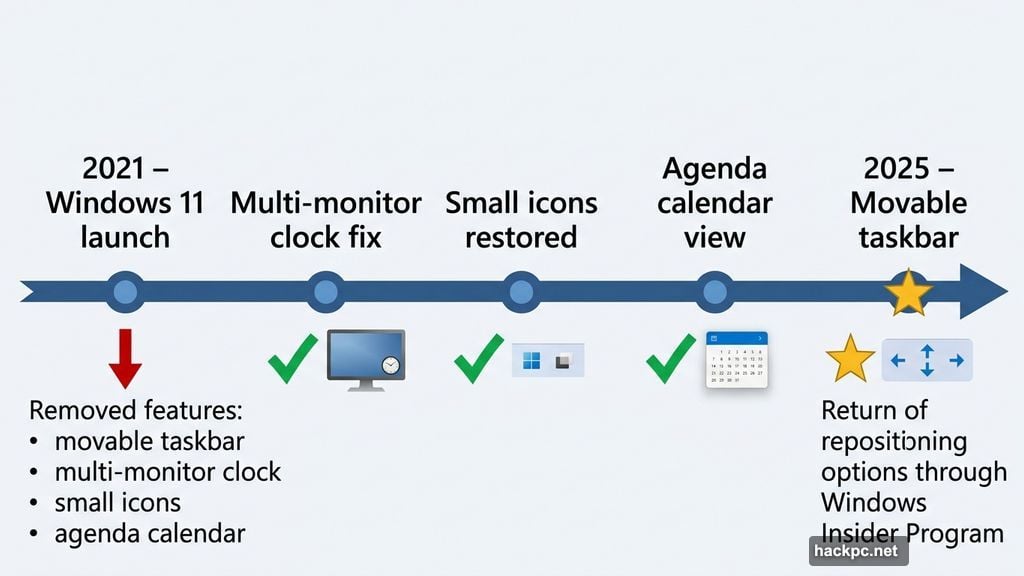
So the movable taskbar isn’t an isolated fix. It’s the latest chapter in Microsoft slowly rebuilding what it removed.
The Windows Insider Program will get access first, as usual. That gives Microsoft real-world feedback before pushing the change to everyone. If history is any guide, the broader rollout should land sometime in the second half of 2025.
Honestly, it’s hard not to feel a little exasperated that we’re celebrating the return of something Windows had for over two decades. But here we are. And for users who rely on a top-docked taskbar or a side-mounted layout, this will genuinely improve their daily experience.
If you’ve been tolerating the locked-down taskbar since 2021, your patience is finally paying off. Keep an eye on Windows Update later this year.



Comments (0)