

OpenAI is pulling the plug on Sora, its once-buzzy AI video app. And the move says a lot about where the entire AI industry is heading.
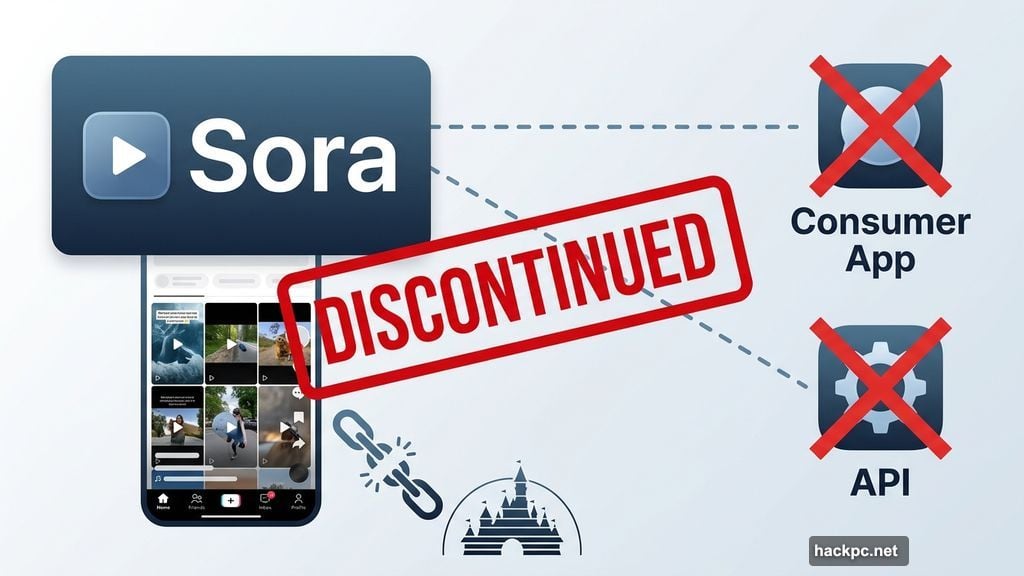
The company confirmed Tuesday that Sora is being discontinued from both the consumer app and the API. On top of that, OpenAI’s $1 billion deal with Disney — which licensed over 200 Disney characters for use inside Sora — is ending right along with it. No firm shutdown date has been announced yet, but the writing is clearly on the wall.
A Big Bet That Didn’t Pan Out
Sora wasn’t just another AI tool. It was part video generator, part social media platform — a genuinely unusual combo in the AI space.
Users could create AI videos featuring their own likeness or the likenesses of other Sora users, then scroll through a feed of results much like TikTok. The videos were impressively realistic. So realistic, in fact, that celebrities, public figures, and advocacy groups quickly raised alarms about deepfake potential.
But polished demos and viral moments only carry a product so far. As user enthusiasm cooled and the deepfake controversy deepened, Sora also became tied to a broader problem: the explosion of AI-generated slop flooding social media feeds everywhere.
OpenAI’s Sharp Pivot Toward Business Tools
So why kill something so high-profile? The answer comes down to where the real money and competition are right now.
Fidji Simo, OpenAI’s head of applications, reportedly told employees earlier this month that the company needs to cut down on “side quests” and refocus on core priorities. Translation: coding tools, enterprise software, and agentic AI that businesses will actually pay for.
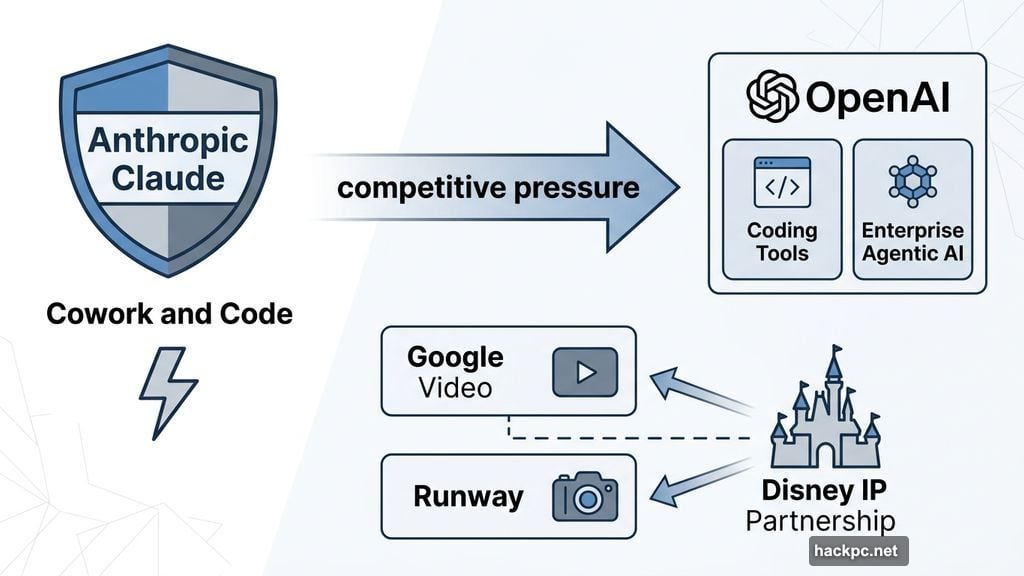
Anthropic fired the first shot here. Its Claude Cowork and Code tools landed like a bombshell in the industry, combining advanced agentic and generative tech in ways that clearly spooked competitors. OpenAI’s response is essentially: stop playing around with consumer video, and go compete where it matters most.
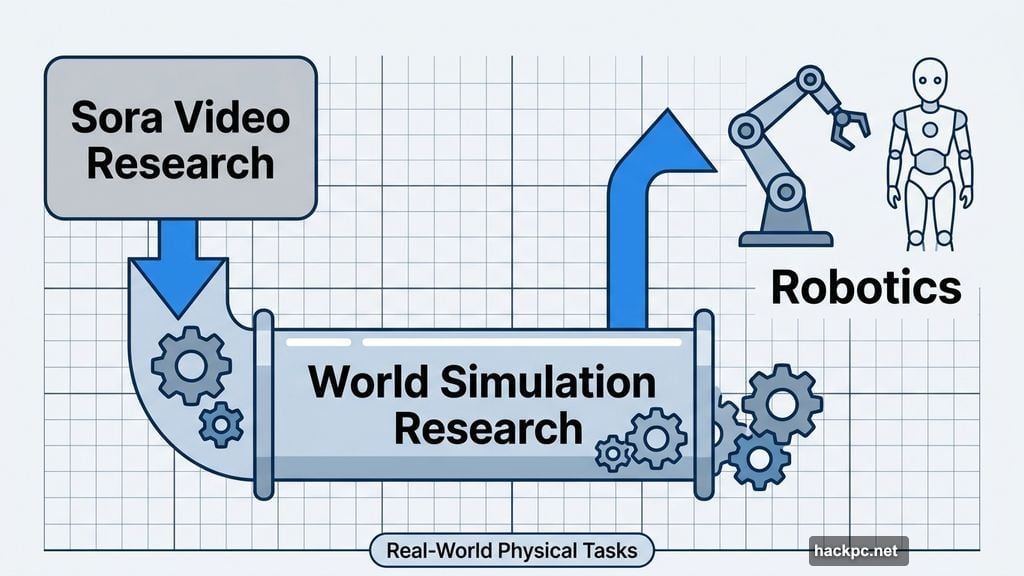
An OpenAI spokesperson put it plainly to CNET: “As we focus and compute demand grows, the Sora research team continues to focus on world simulation research to advance robotics that will help people solve real-world, physical tasks.”
So Sora’s underlying research isn’t dead. It’s just quietly redirected toward robotics rather than viral video content.
What Disney Does Next
The Disney partnership ending is its own interesting story. Disney had licensed more than 200 characters for use on the platform — a genuinely massive commitment from one of the world’s most IP-protective companies.
A Disney spokesperson told CNET they “respect OpenAI’s decision to exit the video generation business” and will continue exploring AI platforms going forward. If Disney shops around for a new partner, it has solid options. Google and Runway both offer more professionally oriented video generation setups.
But Disney’s history here is complicated. The same day its original Sora deal was announced, the company filed a copyright infringement lawsuit against Google, alleging that Gemini AI helped users recreate Disney characters without permission. Finding a new AI video partner that satisfies Disney’s IP concerns won’t be straightforward.
What This Really Means for Generative AI
Last fall felt like the golden age of generative media. Video generators were everywhere, and every major AI lab seemed to want a piece of the action.
2026 feels completely different. The consumer-facing, creative AI tools that generated so much buzz are quietly being shelved. Business tools, coding assistants, and enterprise-grade agentic AI are where the serious investment is flowing now.
For OpenAI to shut down something as publicly visible as Sora, with a Disney partnership attached — that’s a meaningful signal. It suggests even the biggest AI players aren’t convinced generative video has a sustainable consumer business model right now.
The technology will keep advancing behind the scenes. But the era of AI video apps as flashy consumer products may be shorter than anyone expected. If you were hoping Sora would become your go-to creative tool, it’s time to look elsewhere — and frankly, the alternatives are catching up fast.


Comments (0)