
Scrolling through your Instagram feed is about to feel a lot more like browsing Amazon. Meta announced Tuesday that both Instagram and Facebook are getting built-in affiliate shopping features, and the changes are pretty significant for anyone who uses these platforms.
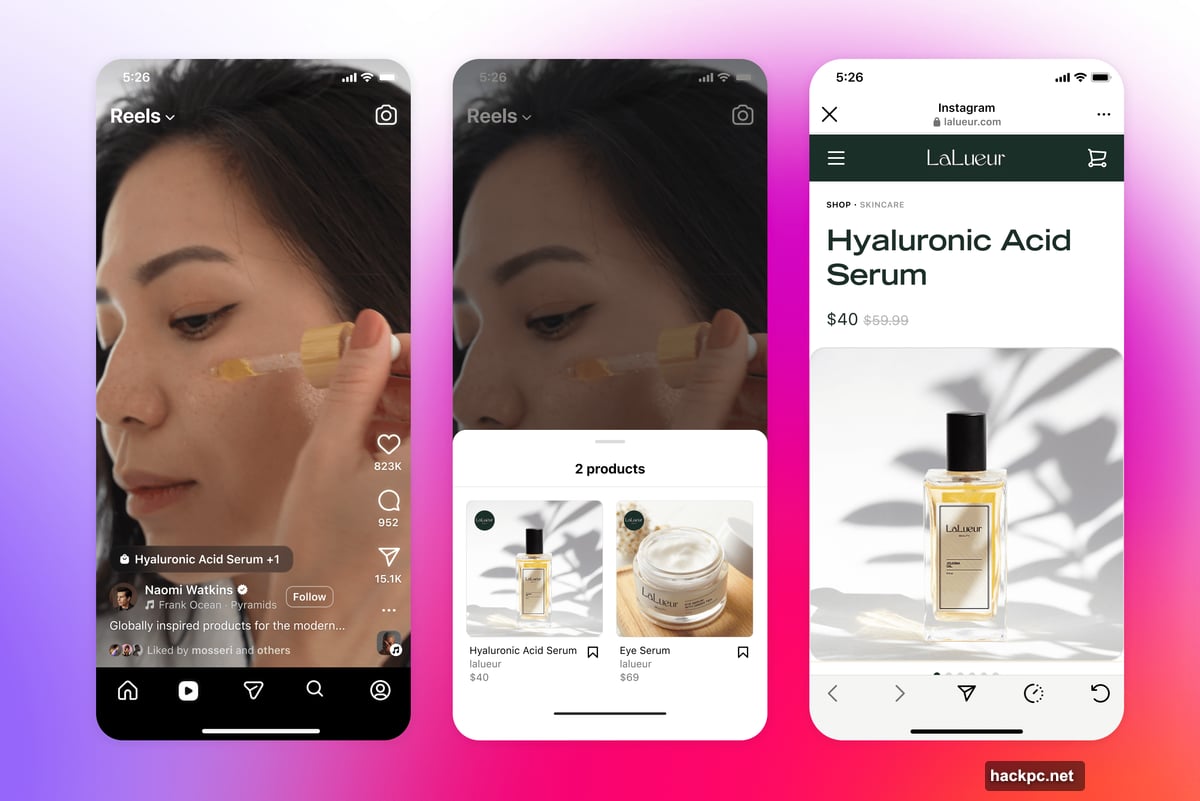
So what exactly is happening? Influencers will soon be able to embed product links directly into their content. No more “link in bio” workarounds. No more hunting through comment sections for URLs. Just a floating bubble you can tap to buy whatever a creator is showing off.
The TikTok Shop Playbook Comes to Meta
If this sounds familiar, that’s because it is. TikTok Shop has been doing exactly this for a while now. Tank tops, camera mounts, kitchen gadgets — all linked directly inside videos as you watch them. Meta is clearly borrowing that same approach.
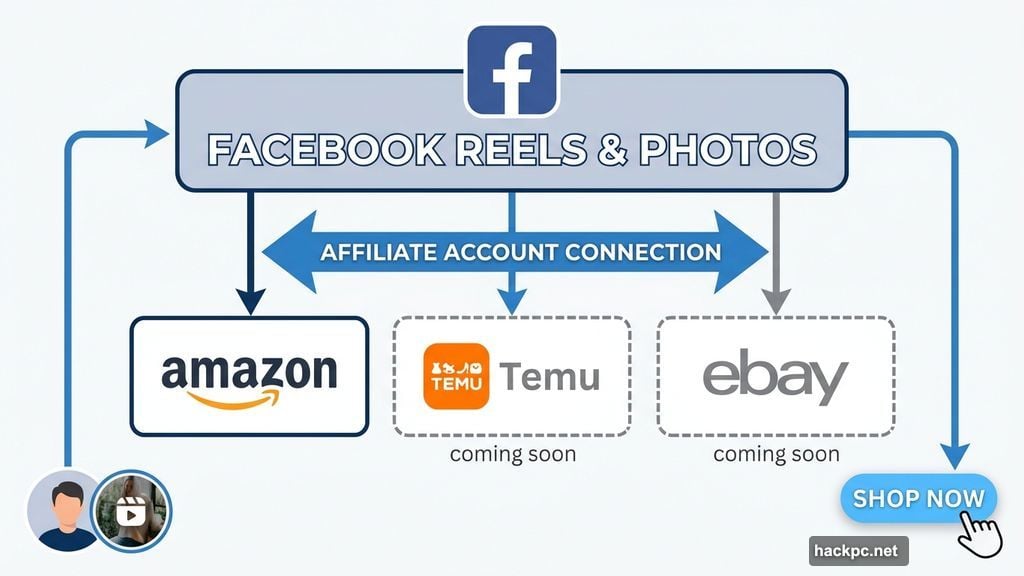
The mechanics differ slightly between the two platforms, though. On Facebook, creators can connect their existing affiliate accounts with brands and tag products in Reels and photos. Instead of dropping a link in the comments or pointing followers toward platforms like ShopMy or LTK, approved products appear as clickable floating bubbles attached directly to the content.
At launch in the US, Facebook’s affiliate partners are limited to Amazon. Temu and eBay are set to join in the coming months.
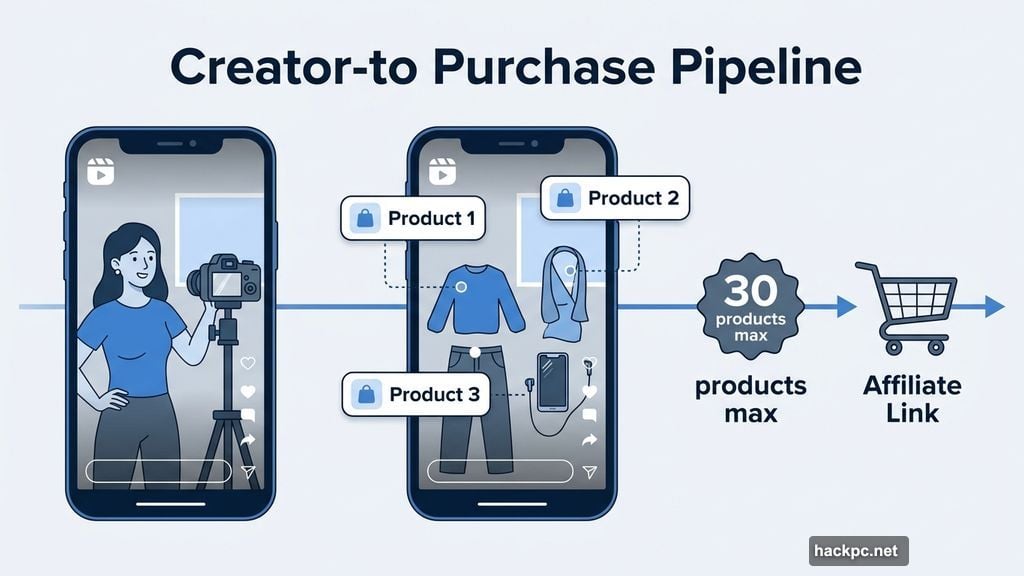
Instagram goes a bit further. Creators can load up to 30 shoppable products into a single Reel. Plus, the product selection isn’t restricted to pre-approved partners. Creators can paste their own affiliate links for individual items directly. The one requirement is that linked products must be registered with Meta through a brand’s commerce catalog.
The “Shop the Look” Controversy
This announcement comes with some awkward timing. Just a few weeks ago, influencers discovered that Instagram had quietly added shopping links to their content without asking permission first. The “Shop the look” feature was attaching links to cheap lookalike products rather than the actual items creators were featuring.
That did not go over well. Meta said it was a limited test and that the company was exploring various changes to the feature. Now, weeks later, here comes a much larger rollout of shopping integration. The sequence raises obvious questions about how much creative control creators will actually maintain.
What This Means for Regular Users
For creators earning affiliate revenue, these features are genuinely useful. Fewer hoops to jump through means a smoother path from content to commission. That’s a real benefit for people building businesses on these platforms.
But for everyone else just trying to scroll through photos and videos from friends and accounts they follow? This will likely make both platforms feel even more commercial than they already do. Every post becomes a potential storefront. Every Reel a shopping opportunity.
The shift mirrors a broader trend across social media. Platforms that started as places to share moments are steadily becoming e-commerce channels. Instagram in particular has been pushing shopping features aggressively for years, with mixed results and frequent user pushback.
Affiliate Marketing Gets Easier, Feeds Get Busier
Here’s the thing about affiliate marketing on social media. It works. Creators with engaged audiences can drive real purchasing decisions. Brands know this, which is why platforms like LTK and ShopMy have built entire businesses around connecting influencers with affiliate programs.
Meta bringing this capability in-house makes sense from a business perspective. Why let third-party platforms capture that value when Meta can keep users and transactions within its own ecosystem?
Still, the experience for casual users matters too. More shopping links embedded in more content means feeds that feel increasingly transactional. That can erode the sense that you’re connecting with people rather than being targeted by a very personalized shopping channel.
Whether Meta threads that needle successfully depends on how aggressively creators use these tools and how well the platform manages the experience for non-buyers. The TikTok Shop comparison is instructive here. Plenty of users find the constant product overlays annoying. Others genuinely discover things they want to buy.
Instagram and Facebook are betting on the latter group being big enough to make this worthwhile. Given Meta’s track record of prioritizing monetization features regardless of user sentiment, that bet seems unlikely to change course once these tools roll out broadly.



Comments (0)