
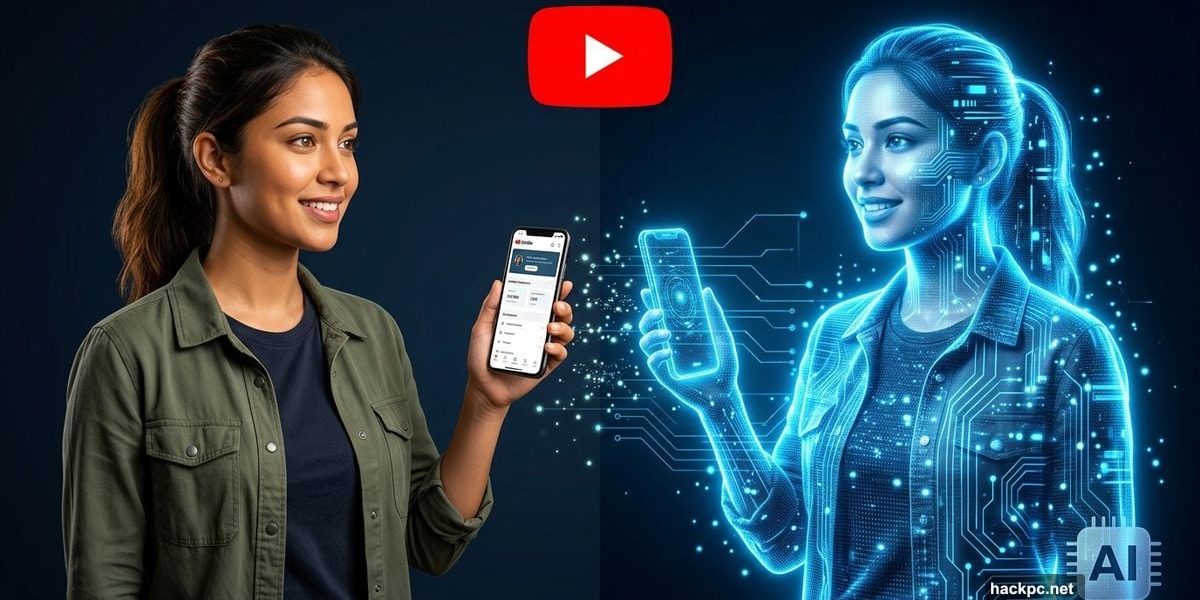
YouTube just made it possible to put a digital version of yourself into your Shorts videos. And yes, it looks just like you.
The feature, which YouTube first teased earlier this year, is now rolling out to creators. It lets you build a photorealistic AI avatar based on your face and voice, then drop that virtual you into short-form video content. The whole thing lives inside YouTube’s AI Playground, and the process is simpler than you might expect.
Your Digital Twin Lives in AI Playground
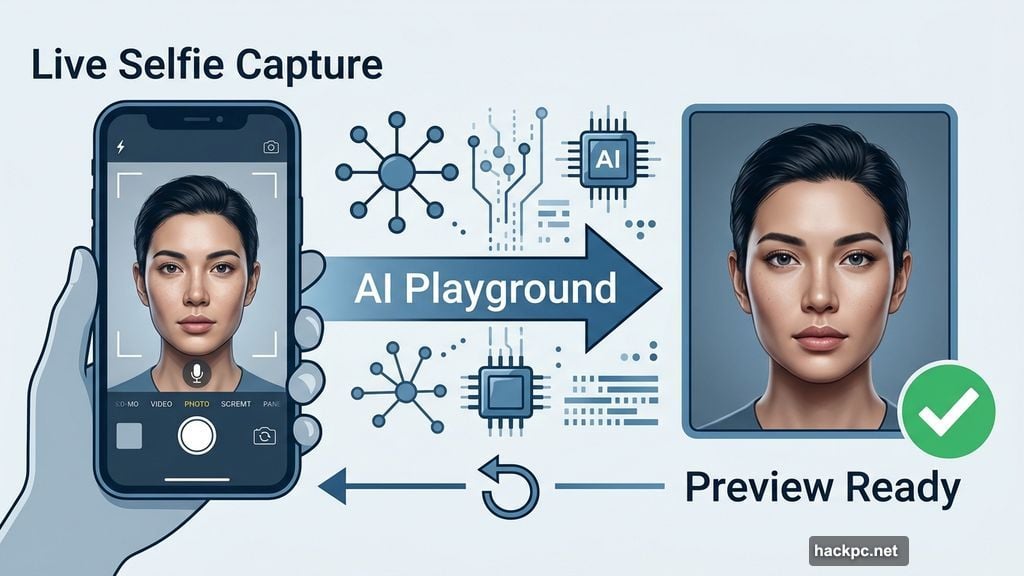
Getting started only takes a few minutes. Open the AI Playground inside the YouTube app, and the platform walks you through capturing a “live selfie” that also records your voice.
From there, you get a preview of your virtual self before committing to it. Not happy with how it turned out? You can redo the whole process as many times as you need.
The YouTube Create app works the same way, though you’ll need to head to the My Avatar homepage first before starting. Either path gets you to the same place.
YouTube does have a few practical tips for getting the best results. Hold your phone at eye level, stay centered in the frame, make sure your full face is visible, and find somewhere quiet with good lighting. Also, keep the background clear of other people.
Prompts, Remixes, and Eight-Second Videos
Once your avatar is ready, creating a video is as easy as typing a prompt. The AI generates a clip based on what you describe, and according to 9to5Google, those videos can run up to eight seconds long.
But there’s another way to use your avatar too. If you have existing Shorts that qualify, you can tap “Remix” and then “Reimagine” to insert your avatar into that footage instead. It’s a neat way to breathe new life into older content without starting from scratch.
A few things to know about managing your avatar over time. You can delete or retake it whenever you like, and you can remove any video featuring your avatar at any time. However, deleting a video that includes your avatar won’t delete the original video it was remixed from, and it won’t wipe the avatar itself from your account either. YouTube will automatically delete any avatar that sits unused for three years.
What YouTube Is Doing About Deepfake Concerns
This is where things get interesting. YouTube is clearly aware that AI-generated lookalike videos carry some obvious risks, and the platform has built several safeguards into the feature.
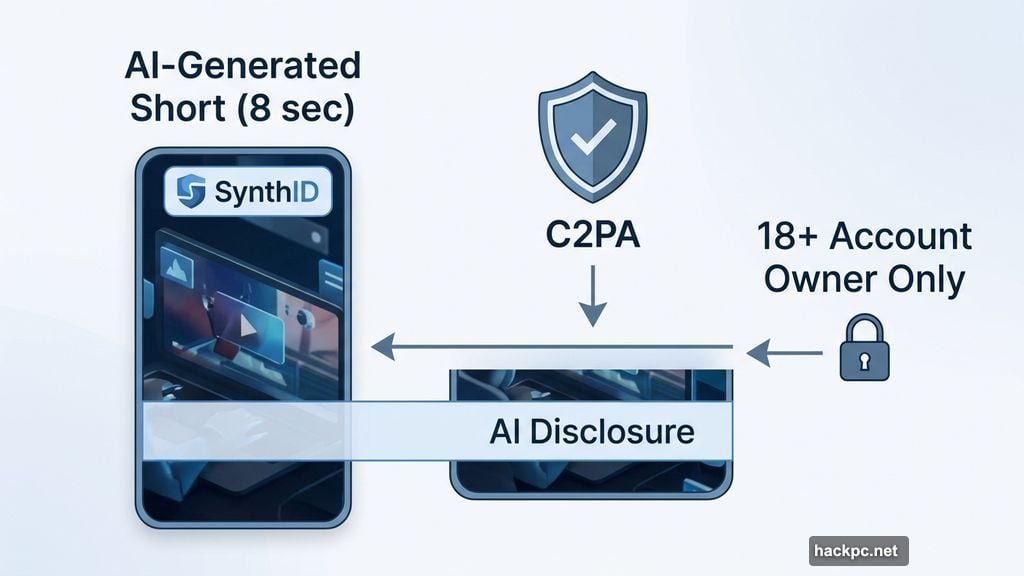
Every video created using an avatar gets an AI disclosure automatically. Plus, visible watermarks and labels like SynthID and C2PA are baked into the content, so viewers know they’re watching something AI-generated. YouTube frames this whole feature as giving creators more control over their digital identities rather than opening the door to misuse.
You also need to be the account owner to create an avatar, and you must be at least 18 years old. On top of that, you have control over who can remix your videos in the first place.
Still, it’s worth noting the irony here. YouTube’s strategy for addressing concerns about AI-generated lookalikes appears to be adding more AI tools that generate lookalikes. Whether the disclosure labels and watermarks are enough to satisfy critics remains an open question.
Part of a Much Bigger AI Push
This avatar feature isn’t arriving in isolation. YouTube has been stacking AI tools onto its platform at a steady clip over the past year.
Recent additions include automatic upscaling for low-resolution videos, AI-assisted editing tools for creators, and an AI-generated carousel that surfaces results in search. Avatars are the latest piece of that growing puzzle.
The rollout is gradual, so not every creator will see the feature immediately. But it’s clearly the direction YouTube is heading, and the pace of new AI additions suggests this is just the beginning.
If you’re a creator who’s been curious about AI video tools but wanted something built directly into the platforms you already use, YouTube just made that a lot more accessible. Whether you’re comfortable putting a digital clone of yourself into the world, though, is a decision only you can make.

Comments (0)