
NordVPN says it doesn’t track your browsing. But talk is cheap in the VPN world.
That’s why independent audits matter. NordVPN just completed its sixth consecutive no-logs audit with Deloitte. The results? No evidence of tracking or logging your online activity.
Most VPN companies make bold privacy promises. Few back them up with regular third-party verification. Let’s break down what this audit actually means for your privacy.
Deloitte Found Zero Evidence of Logging
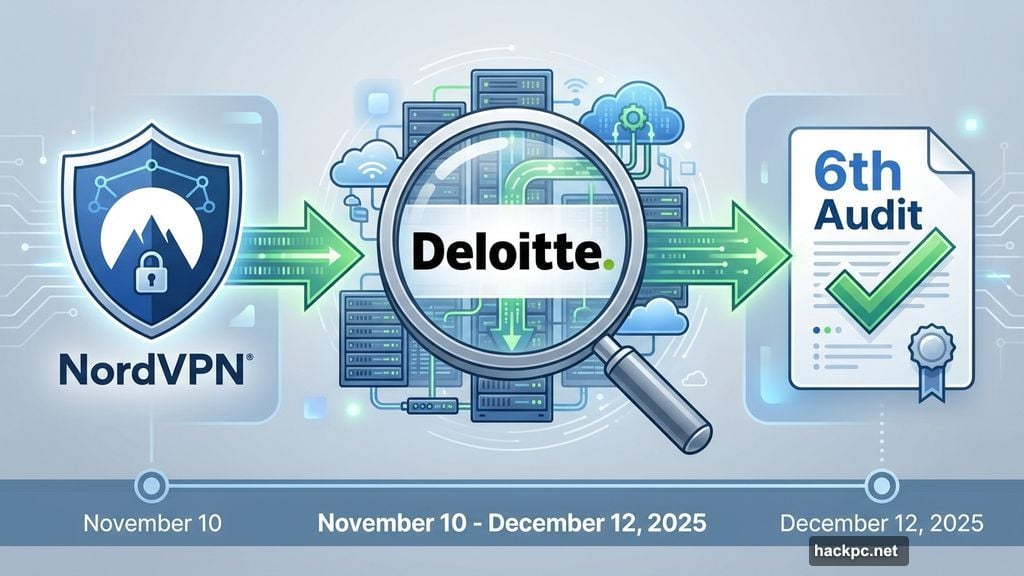
The audit ran from November 10 to December 12, 2025. Deloitte examined NordVPN’s entire server infrastructure during that window.
Plus, they interviewed employees and tested different server types. That includes standard VPN servers, double VPN connections, Onion over VPN routes, and obfuscated servers designed to bypass VPN blocking.
Their conclusion? NordVPN’s no-logging claims hold up. The company isn’t secretly recording your browsing sessions or storing connection logs.
However, there’s a catch. You can only read Deloitte’s full findings by logging into an existing NordVPN account. Potential customers can’t view the audit results before signing up.
That’s frustrating. Proton VPN publishes its audit results publicly for anyone to review. NordVPN cites security concerns for keeping results behind the login wall.
Still, having six consecutive annual audits beats most competitors who never get audited at all.
RAM-Only Servers Wipe Your Data Automatically
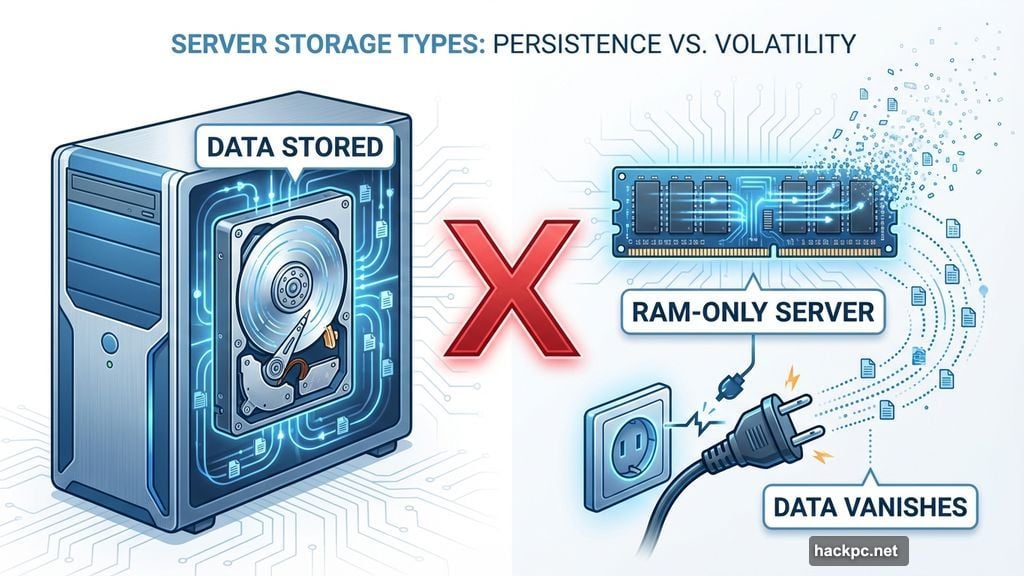
NordVPN runs its entire network on RAM-only servers. These machines don’t use traditional hard drives for storage.
Why does that matter? RAM requires constant power to retain data. Cut the power and everything vanishes instantly.
So when a server reboots or shuts down, your browsing session data disappears. There’s no hard drive keeping logs even if NordVPN wanted to track you.
This architecture makes logging technically difficult. But RAM-only servers aren’t foolproof. Malicious code could still extract data while the server runs.
That’s where independent audits add value. Deloitte verified that NordVPN’s systems work as advertised, with no hidden logging mechanisms.
Audits Have Real Limitations
Let me be clear about what audits can and can’t prove.
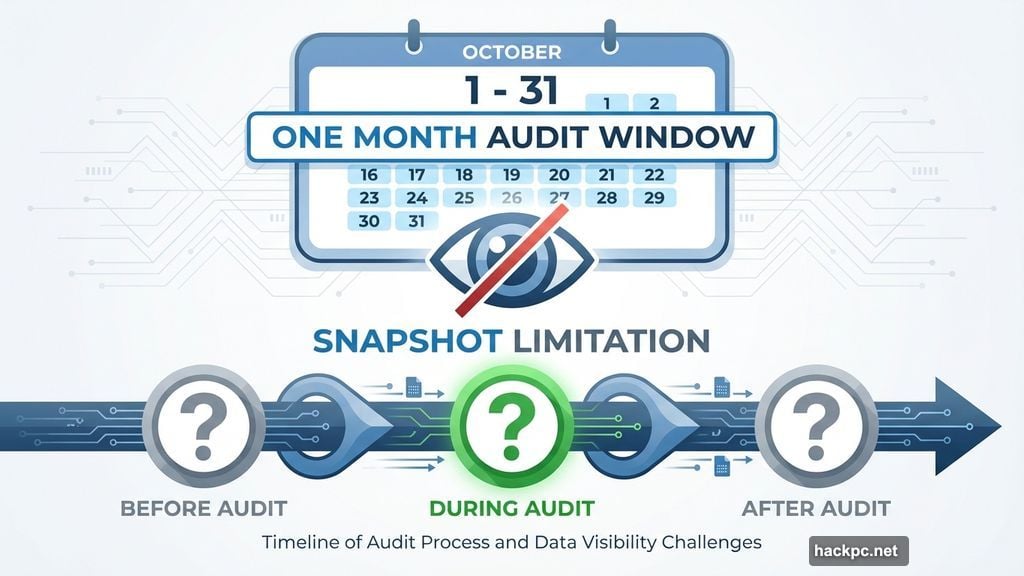
First, audits are snapshots in time. Deloitte examined NordVPN’s systems for about one month. They can’t guarantee nothing changed before or after that window.
Second, audits can’t catch everything. A determined company could hide logging mechanisms that auditors miss during their review period.
Third, audits rely on company cooperation. NordVPN controls what systems Deloitte examines and which employees they interview.
Despite these limitations, annual audits still matter. They force VPN companies to maintain clean systems year-round. Plus, reputation matters when a major firm like Deloitte stamps your privacy claims.
NordVPN’s commitment to annual scrutiny demonstrates seriousness about privacy. Most VPN providers skip audits entirely because they’re expensive and time-consuming.
Transparency Reports Add Another Layer
Beyond audits, NordVPN publishes regular transparency reports. These documents reveal how many data requests the company receives from law enforcement and government agencies.
More importantly, the reports show how many requests NordVPN complied with. Spoiler: usually zero, because the company doesn’t store data worth handing over.
However, NordVPN is based in Panama, which has strong privacy laws. The country isn’t part of surveillance alliances like Five Eyes or Fourteen Eyes.
So law enforcement requests from US or European agencies carry minimal weight. Panama doesn’t require NordVPN to cooperate with foreign governments.
This legal jurisdiction matters as much as technical safeguards. A VPN based in the US or UK faces more pressure to log customer data or hand over information.
Privacy Features Beyond Basic VPN
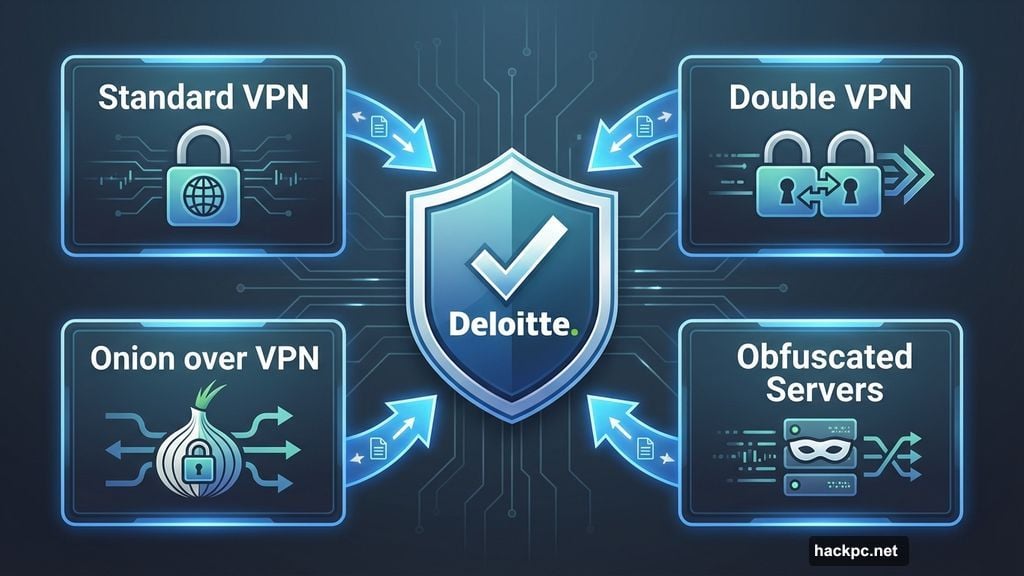
NordVPN offers specialty servers for users with serious privacy needs. Double VPN routes your traffic through two servers instead of one, encrypting your data twice.
Onion over VPN combines NordVPN’s servers with the Tor network. This adds multiple layers of anonymity for activities requiring maximum privacy protection.
Plus, obfuscated servers disguise VPN traffic as regular HTTPS connections. That helps bypass VPN blocking in countries like China or corporate networks that restrict VPN usage.
Most users won’t need these advanced options. But having them available demonstrates NordVPN’s focus on privacy power users, not just casual subscribers.
The Meshnet feature deserves mention too. It creates encrypted connections between your devices, functioning like a virtual LAN that works across the internet.
Speed and Streaming Performance Stays Strong
Privacy means nothing if your VPN cripples internet speeds. NordVPN consistently delivers fast connections in my testing.
I stream 4K video without buffering. Downloads run at near-full speed. Gaming latency stays reasonable for most titles.
More importantly, NordVPN reliably unblocks streaming services. I’ve accessed foreign Netflix libraries, BBC iPlayer, and other geo-restricted content without issues.
The server network spans 111 countries with over 6,300 servers. That geographic diversity ensures you’ll find a nearby server for optimal speeds.
Some VPN providers sacrifice speed for security. NordVPN manages to balance both effectively.
What I’d Change
The audit results should be public. NordVPN’s decision to restrict access to existing customers frustrates potential users researching VPN options.
Security through obscurity isn’t real security. Publishing audit findings demonstrates confidence in your privacy practices.
Also, annual audits leave 11 months unverified. Quarterly audits would provide more continuous oversight, though they’d be expensive.
Finally, I wish NordVPN supported more payment options. The service accepts cryptocurrency for anonymous payments, but more privacy-focused payment methods would strengthen its positioning.
Trust Requires Verification
VPN companies asking you to trust their privacy claims isn’t enough. Independent verification matters.
NordVPN’s six consecutive annual audits, RAM-only infrastructure, and transparency reports build credibility. The company backs up its marketing with verifiable evidence.
Perfect privacy doesn’t exist. But NordVPN demonstrates consistent effort to protect subscriber data and prove it through independent oversight.
For users who need reliable privacy protection, NordVPN’s audit track record provides meaningful assurance. Just don’t expect absolute certainty—no VPN can deliver that.




Comments (0)