
Privacy promises are easy to make. Proving them is a different story entirely.
DuckDuckGo has always positioned itself as the privacy-first alternative to Google. Its search engine, browser, and subscription bundle all carry that same promise. But now, for the first time, its VPN has independent verification to back up those claims.
Securitum’s No-Log Audit Confirmed the Big Stuff
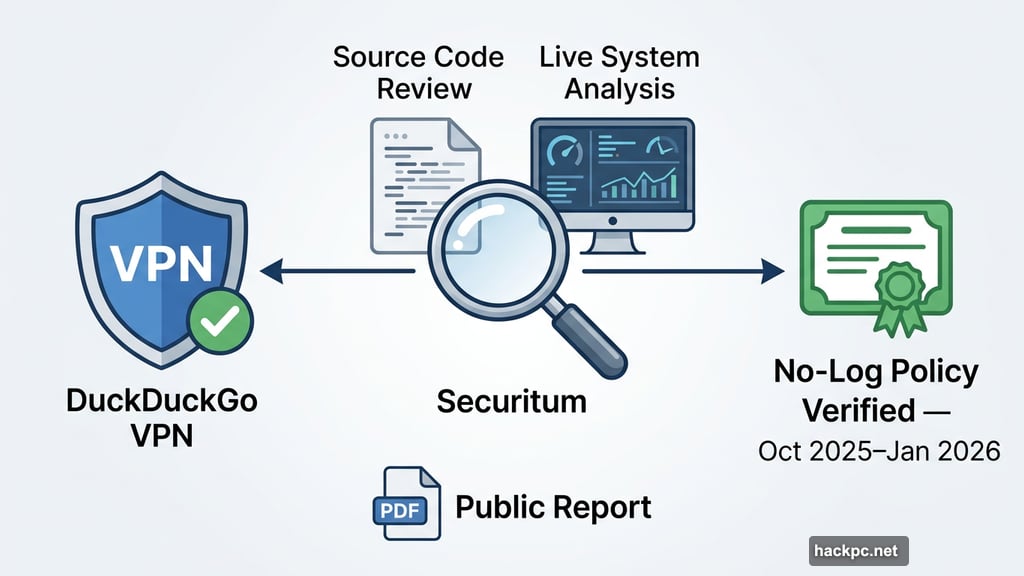
Between October 2025 and January 2026, an independent cybersecurity firm called Securitum put DuckDuckGo’s VPN through a rigorous inspection. This wasn’t a quick checkbox review. Securitum performed a deep technical inspection, reviewed proprietary source code, and ran live system analysis to see exactly what data DuckDuckGo collects — or doesn’t collect.
The verdict? DuckDuckGo doesn’t track your VPN browsing activity. Its no-log policy works exactly as advertised. The full security report is publicly available as a PDF, so anyone can read the findings themselves.
That kind of transparency matters more than most people realize.
What a VPN Actually Does (and Why the Audit Matters)
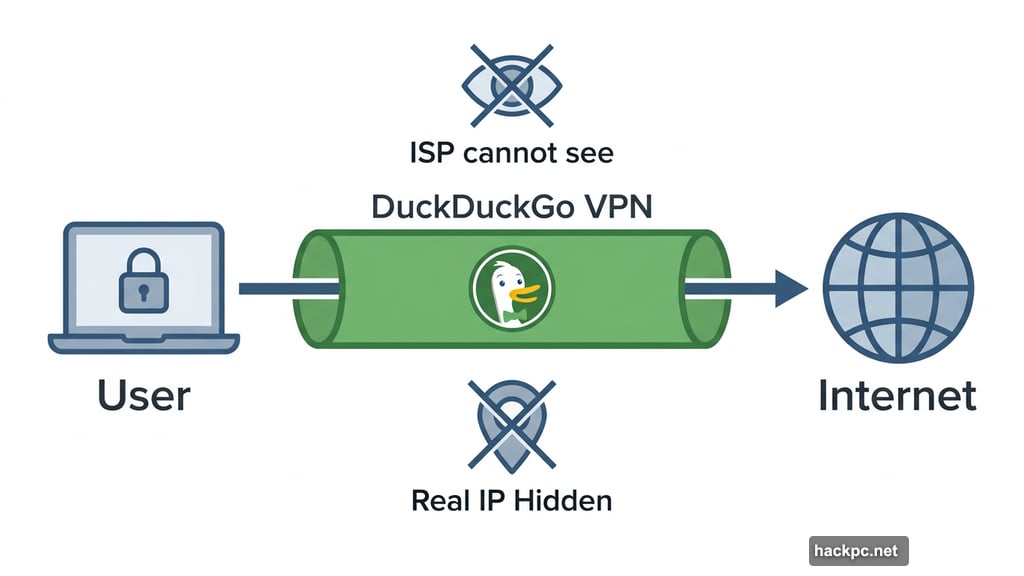
A virtual private network, or VPN, acts like a private tunnel for your internet traffic. It hides your browsing activity from your internet provider, masks your real location, and makes your data harder to intercept. Many people also use VPNs to access content libraries from other countries.
But here’s the catch. When you use a VPN, you’re essentially trusting that provider with everything your internet service provider used to see. So if a VPN company secretly logs your activity, you’ve just handed your data to someone else without realizing it.
That’s why no-log audits exist. Reputable VPN providers hire independent firms to verify their privacy claims rather than just asking users to take their word for it.
DuckDuckGo Has Been Building This Track Record for a While
This isn’t DuckDuckGo’s first time under the microscope. The company went through a security audit back in 2024, with follow-up retests in 2025 confirming that all medium-risk and higher vulnerabilities had been fixed.
That earlier audit focused on security. This new one specifically examined privacy practices, meaning how DuckDuckGo handles — or more accurately, doesn’t handle — your personal data while you’re connected to its VPN.
So the company now has both security and privacy audits on record. For anyone considering the DuckDuckGo subscription, that’s a meaningful combination.
What You Get With the DuckDuckGo Subscription
The DuckDuckGo subscription bundles several privacy tools together at a competitive price. Alongside the VPN, subscribers get identity theft protection and a data removal service that works to scrub your personal information from data broker sites.
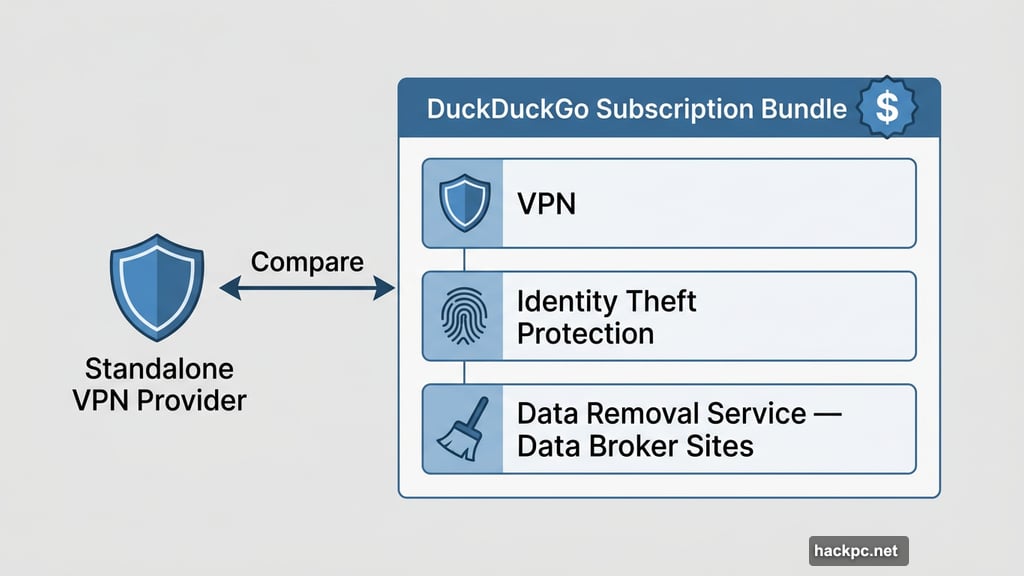
That kind of bundled approach makes DuckDuckGo worth comparing against standalone VPN providers, especially if you’re already using DuckDuckGo’s search or browser. Having everything under one privacy-focused roof — and now one audited roof — simplifies the decision a lot.
Should You Switch to DuckDuckGo’s VPN?
If privacy is your main concern, this audit moves DuckDuckGo into serious contender territory. The combination of verified no-log practices, a history of security testing, and a bundled subscription makes it genuinely competitive with well-known names like NordVPN, Proton VPN, and Mullvad.
That said, VPN choice still depends on your specific needs. Speed, server locations, streaming performance, and device support all matter too. DuckDuckGo’s VPN is newer to the space than some rivals, but audits like this one close the trust gap quickly.
What’s clear is this: independent verification beats a company’s self-reported promises every single time. DuckDuckGo just earned a meaningful vote of confidence, and privacy-conscious users should absolutely take notice.



Comments (0)