
You know that awful feeling. You click on a link, realize the page isn’t what you wanted, and hit the back button — only to find yourself completely stuck. The page refreshes. An ad pops up. Or worse, you get bounced somewhere new entirely.
That’s called back-button hijacking, and Google has officially had enough of it.
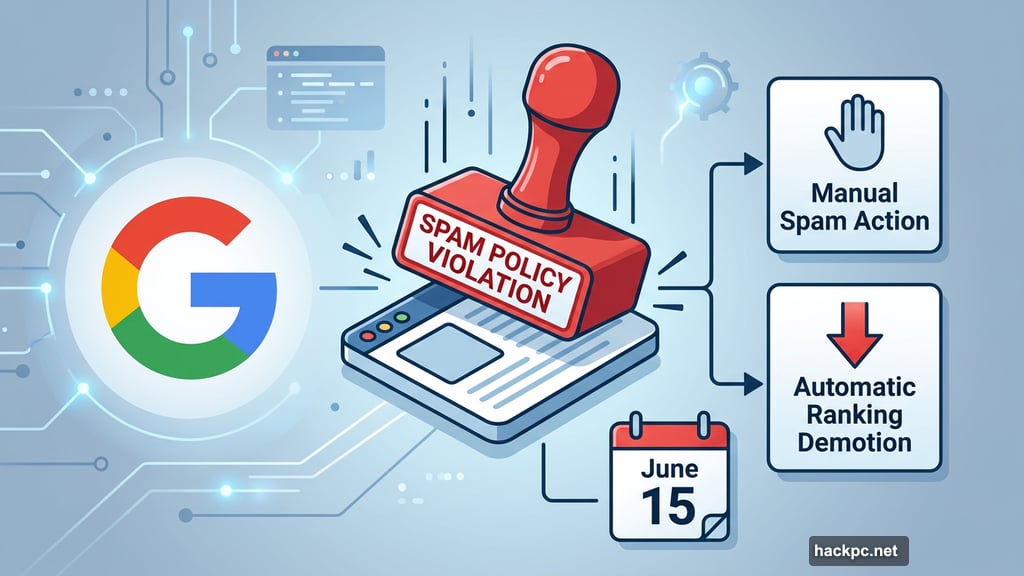
Starting June 15, Google will treat back-button hijacking as a violation of its spam policies. That’s a big deal for any website still using these tricks.
What Back-Button Hijacking Looks Like
Google defines back-button hijacking as any situation where a site “interferes with a user’s browser navigation and prevents them from using their back button to immediately get back to the page they came from.”
In practice, that can show up a few different ways. Some sites lock you to the current page entirely. Others shove unexpected ads in your face before letting you leave. And some redirect you to a completely different destination — somewhere you never asked to go.
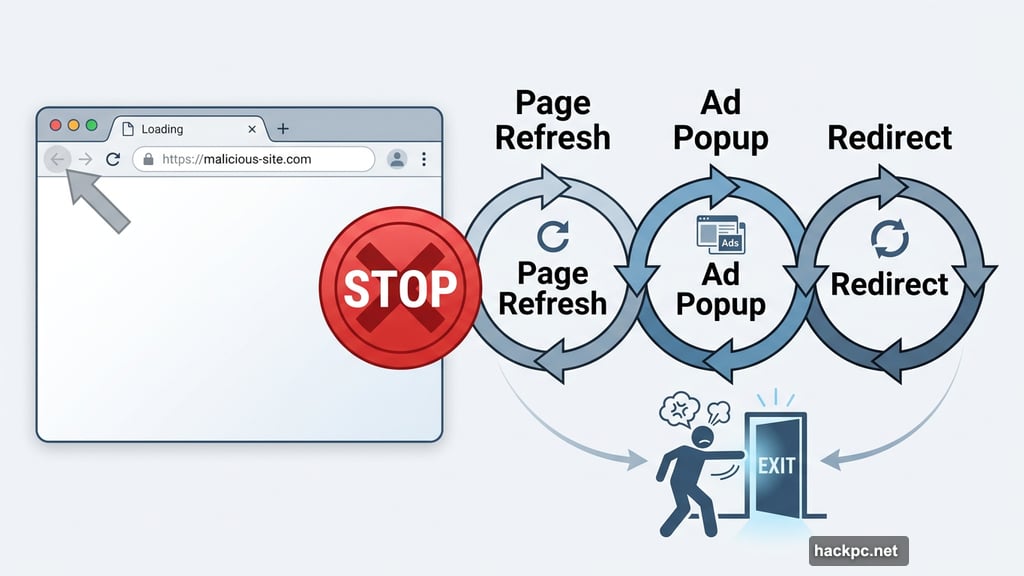
None of these experiences are accidental. They’re deliberate tactics designed to keep your attention, even when you’ve clearly decided you’re done.
Why Google Is Taking This So Seriously
Here’s the thing: Google isn’t just adding this to a list of “mildly annoying behaviors.” The company is classifying back-button hijacking alongside malware and unwanted software executables.
That’s a strong stance. But it makes sense when you think about what these practices actually do. Google says they lead to “a negative and deceptive user experience or compromised user security or privacy.” Trapping users in browser sessions can expose them to malicious ads, phishing content, or worse.
So while being stuck in a browser loop feels like a minor frustration, the underlying mechanics can sometimes be genuinely dangerous.
The June 15 Deadline
Google announced the policy change on April 15 but won’t start penalizing websites until June 15. That two-month window gives site owners time to clean things up before consequences kick in.
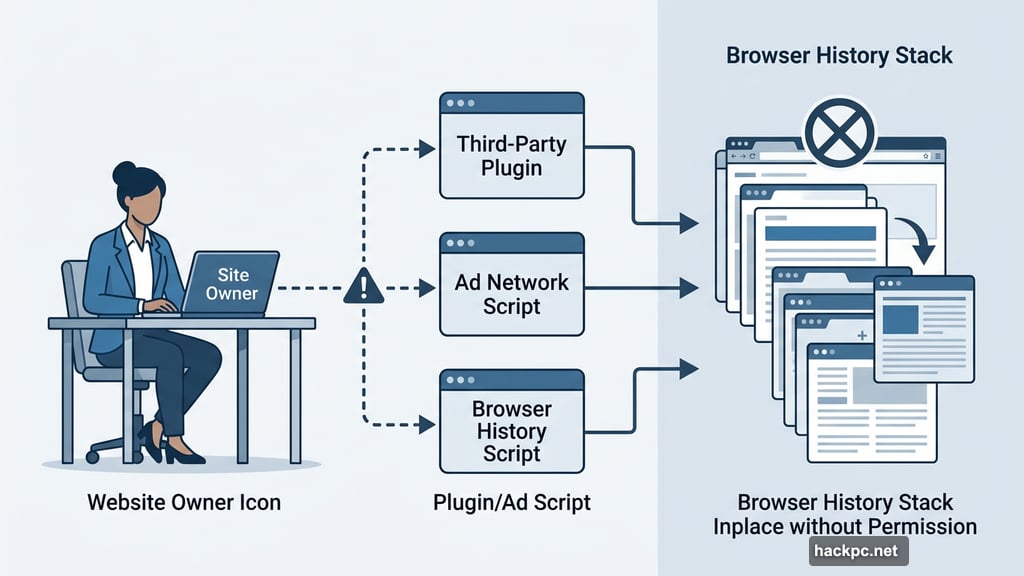
Specifically, websites need to remove any scripts or techniques that insert or replace pages in a user’s browser history without permission. And here’s a detail worth noting: Google will also penalize sites that accidentally engage in back-button hijacking through third-party software. So if a plugin or ad network on your site is causing the problem, that’s still your responsibility as the site owner.
What Happens to Sites That Don’t Comply
Websites that miss the deadline face two potential outcomes, and neither is pleasant.
First, Google can issue a manual spam action against the site. Once that happens, the only way to remove it is to fix the problem and submit the site for review. That process takes time and could mean weeks of lower visibility in search results.
Second, Google can automatically lower a site’s search rankings without any manual review at all. For businesses that depend on search traffic, that kind of penalty can be devastating.
Both outcomes make the two-month grace period worth taking seriously.
Good News If You’re a Chrome User
If you browse with Google Chrome, there’s a decent chance protections against these practices are already heading your way. Google has been gradually building safeguards into the browser itself, meaning the back-button hijacking experience could become far less common even before the policy enforcement date arrives.
For everyone else, this policy shift should gradually clean up the broader web. Websites that want to maintain their search rankings will have a strong financial incentive to stop using manipulative navigation tricks.
It’s a small but genuinely satisfying win for anyone who’s ever rage-closed a browser tab because they couldn’t escape a page. The back button should always work. Finally, Google agrees.


Comments (0)